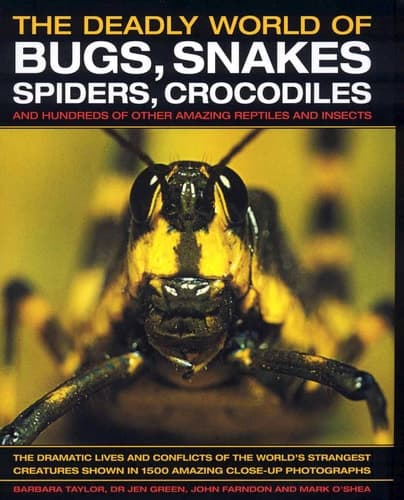
The Deadly World of Bugs, Snakes, Spiders, Crocodiles And Hundreds of Other Amazing Reptiles and Insects
Barbara TaylorPublished2008
Pages512
Formathardcover
PublisherAnness Publishing
Synopsis
Encyclopedic guide offering a variety of information on snakes, crocodiles, alligators, lizards, turtles, spiders, beetles, bugs, butterflies, moths, bees, and ants.
Recommendations
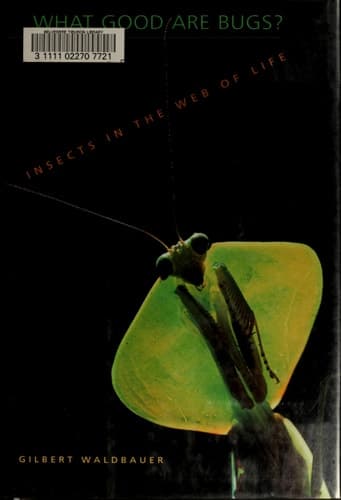
What Good Are Bugs? Insects in the Web of Life
by Gilbert Waldbauer
Here's your surprise pick: a philosophical novella where insects become a lens for examining human society and consciousness. Pelevin takes the same creatures Taylor catalogs with scientific precision and uses them as characters in a darkly comic meditation on existence—it's what happens when an entomologist meets a metaphysicist. You'll recognize the insects, but they'll feel completely transformed.
View book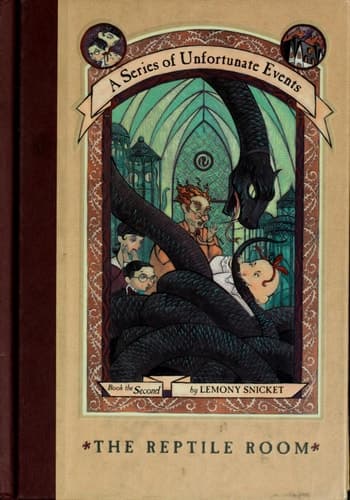
A Series of Unfortunate Events #2: The Reptile Room
by Lemony Snicket
The second book in A Series of Unfortunate Events, but this one's essential because it's where reptiles become central to the plot in ways that are both darkly humorous and genuinely tense. Snicket shares Taylor's enthusiasm for cataloging reptile facts, but weaves them into a narrative where knowing the difference between venomous and poisonous snakes actually matters for survival. It's educational fiction that doesn't feel like a textbook.
View book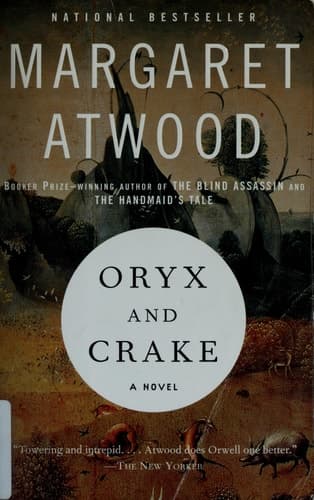
Oryx and Crake
by Margaret Atwood
A speculative fiction novel where genetic engineering of insects and animals becomes central to a dystopian future. Atwood builds her world partly through the protagonist's childhood fascination with bioengineering and creature design—she uses the same observational detail Taylor brings to natural history, but asks what happens when humans start redesigning nature itself. It's darker and more literary than your source book, but shares that deep curiosity about how creatures actually work.
View book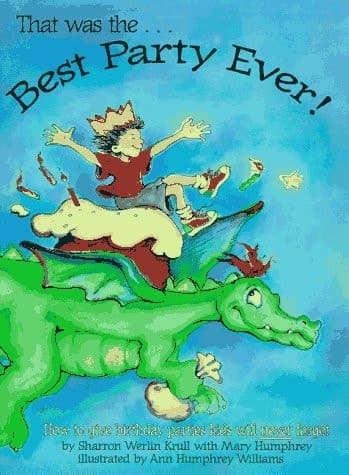
That was The-- Best Party Ever! How to Give Birthday Parties Kids Will Never Forget
by Sharron Werlin Krull
A 1970s natural history narrative that reads like adventure journalism—Buddicom observes insects and spiders in their habitats with the same cataloging impulse as Taylor, but she's writing from the field with personality and wonder. It's from a different era of nature writing, before everything became digital, and captures that sense of discovery when you're actually watching these creatures behave. The tone is warmer and more narrative-driven than an encyclopedia.
View book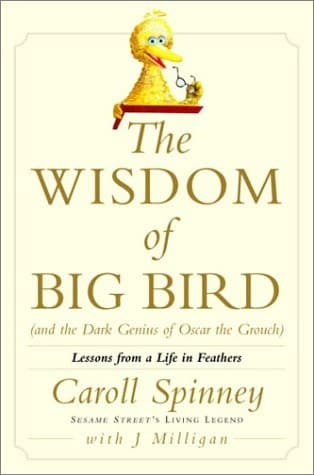
The Wisdom of Big Bird (and the Dark Genius of Oscar the Grouch) Lessons from a Life in Feathers
by Caroll Spinney
While this focuses on birds rather than reptiles and insects, Ackerman writes with the same meticulous attention to animal behavior and biology that Taylor brings to her encyclopedia, but she's asking bigger questions about cognition and adaptation. If you loved the breadth of Taylor's coverage and the sheer variety of survival strategies across species, this book takes that same investigative approach and digs into the 'why' behind the behaviors—it's natural history that becomes genuinely philosophical without losing scientific rigor.
View bookAbout Barbara Taylor
B
Barbara Taylor
Born 1954
Biography coming soon.
View author page