Synopsis
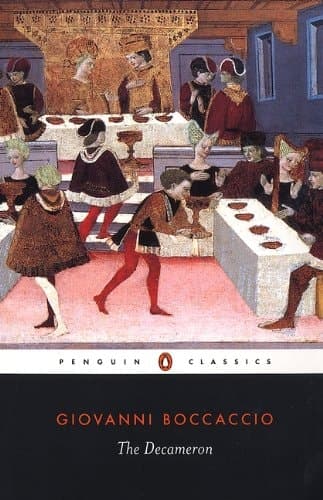
In the early summer of the year 1348, as a terrible plague ravages the city, ten charming young Florentines take refuge in country villas to tell each other stories - a hundred stories of love, adventure and surprising twists of fortune which later inspired Chaucer, Keats and Shakespeare. While Dante is a stern moralist, Boccaccio has little time for chastity, pokes fun at crafty, hypocritical clerics and celebrates the power of passion to overcome obstacles and social divisions. Like the Divine Comedy, the Decameron is a towering monument of medieval pre-Renaissance literature, and incorporates certain important elements that are not at once apparent to today's readers. In a new introduction to this revised edition, which also includes additional explanatory notes, maps, bibliography and indexes, Professor McWilliam shows us Boccaccio for what he is - one of the world's greatest masters of vivid and exciting prose fiction.
Recommendations
Generating recommendations…
Our AI is preparing recommendations for The Decameron. This usually takes under a minute.
About Giovanni Boccaccio
G
Giovanni Boccaccio
1313–1375
Giovanni Boccaccio was an Italian writer, poet, correspondent of Petrarch, and an important Renaissance humanist. Born in the town of Certaldo, he became so well known as a writer that he was sometimes simply known as "the Certaldese" and one of the most important figures in the European literary panorama of the fourteenth century.
View author page