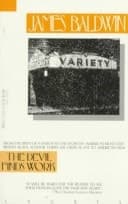
Synopsis
James Baldwin At The Movies... Provocative, timeless, brilliant.
Bette Davis's eyes, Joan Crawford's bitchy elegance, Stepin Fetchit's stereotype, Sidney Poitier's superhuman black man... These are the movie stars and the qualities that influenced James Baldwin... and now become part of his incisive look at racism in American movies.
Baldwin challenges the underlying assumptions in such films as "In the Heat of the Night," "Guess Who's Coming to Dinner," and "The Exorcist," offering us a vision of America's self-delusions and deceptions. Here are our loves and hates, biases and cruelties, fears and ignorance reflected by the films that have entertained us and shaped our consciousness. And here, too, is the stunning prose of a writer whose passion never diminished his struggle for equality, justice, and social change.
From "The Birth of a Nation" to "The Exorcist"--one of America's most important writers turns his critical eye to American film. "From the Trade Paperback edition."
Recommendations
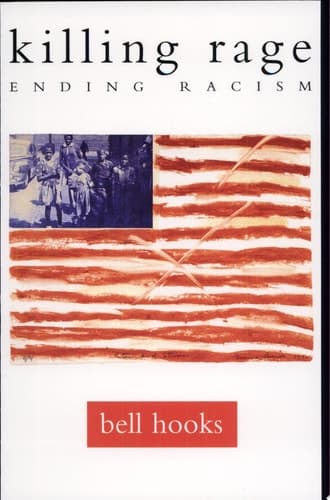
Killing Rage Ending Racism
by bell hooks
Where Baldwin dissects how cinema perpetuates racial mythology, hooks takes that critical framework and expands it across culture, media, and personal experience with the same lyrical intensity and refusal to let readers off easy. You'll recognize Baldwin's DNA in her prose—that combination of scholarly rigor and intimate vulnerability that makes social critique feel urgent rather than academic.
View book
Blues and Roots/Rue and Bluets A Garland for the Southern Appalachians
by Jonathan Williams
This is the surprise pick: it's technically about heartbreak and the color blue, but Nelson writes like Baldwin does about film—finding the entire architecture of American culture and desire reflected in small, specific objects. The fragmented essay form lets her move between philosophy, art history, and personal confession the way Baldwin moves between movie scenes and social analysis, making you see connections you didn't know were there.
View book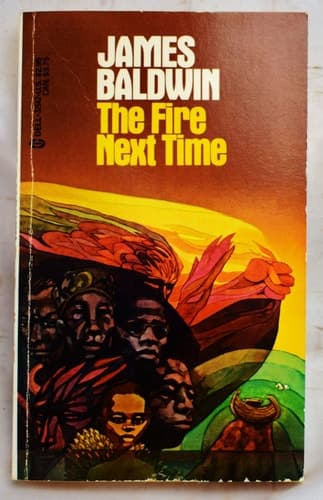
The Fire Next Time
by James Baldwin
Coates learned Baldwin's method—the personal essay as a vehicle for systemic critique—and applies it to the lived experience of being Black in contemporary America. Where Baldwin was analyzing how Hollywood shaped consciousness, Coates examines how that same machinery continues to operate on the body itself, with similar moral urgency and unflinching honesty.
View book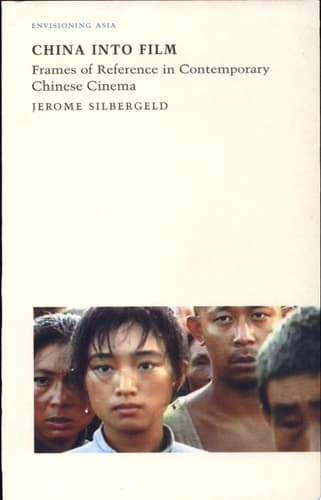
China Into Film Frames of Reference in Contemporary Chinese Cinema
by Jerome Silbergeld
Hall does for media studies what Baldwin did for film criticism—he's asking how representation actually works, how meaning gets constructed and who benefits from those constructions. His writing has that same combination of accessibility and intellectual rigor, and he's directly engaging with the same questions about race, power, and visual culture that animate Baldwin's essay.
View book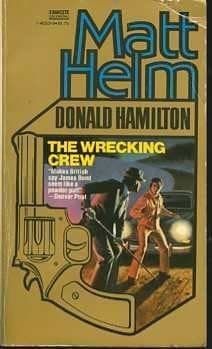
The Wrecking Crew
by Donald Hamilton
A different era (2008) and a different subject—American political machinery rather than cinema—but Frank shares Baldwin's gift for seeing how institutions work to obscure their own operations and serve narrow interests while claiming universality. He has that same sharp-eyed skepticism about American self-deception, just trained on government rather than Hollywood.
View bookAbout James Baldwin
J
James Baldwin
1924–1987
James Arthur Baldwin was an American novelist, writer, playwright, poet, essayist and civil rights activist. Most of Baldwin's work deals with racial and sexual issues in the mid-20th century in the United States. His novels are notable for the personal way in which they explore questions of identity as well as the way in which they mine complex social and psychological pressures related to being black and homosexual well before the social, cultural or political equality of these groups was improved. Source and more information: https://en.wikipedia.org/wiki/James_Baldwin
View author page