Synopsis
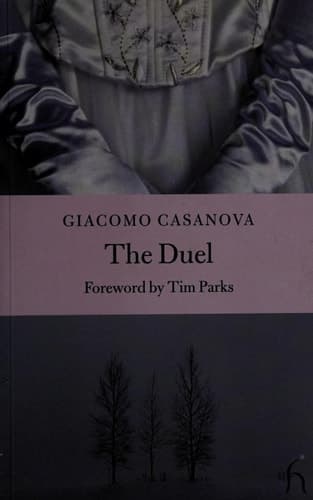
One of the few works written in Casanova’s native Italian, The Duel is an important example of the infamous Lothario’s vivid prose style. Translated for the first time into English, this autobiographical novel describes Casanova’s extraordinary battle with a Polish count, while on the run from the Venetian authorities. Having escaped from Venice’s infamous Piombi Prison, Casanova was forced into exile. Far from destitute, however, his reputation gained him entry into European society’s highest echelons. Yet there, he soon found himself obliged to engage in a duel over a ballerina—a lady in whom neither he nor his Polish rival had the slightest interest. Recounting the deadly encounter and the surprising events it precipitated with sardonic wit, Casanova creates a work of thrilling adventure and inimitable literary style. Giacomo Casanova was an adventurer, a spy, a poet, and a novelist. His literary reputation rests on his remarkable History of My Life, which vividly records not only his exploits and adventures but the manners and morals of the day.
Recommendations
Generating recommendations…
Our AI is preparing recommendations for The Duel (Hesperus Classics). This usually takes under a minute.
About Giacomo Casanova
G
Giacomo Casanova
1725–1798
Giacomo Girolamo Casanova (Venecia; 2 de abril de 1725 - Dux, actual Duchcov, Bohemia; 4 de junio de 1798) fue un aventurero, libertino, historiador, escritor, diplomático, jurista, violonchelista, filósofo, matemático, bibliotecario y agente secreto italiano, hermano de los pintores Giovanni Battista Casanova (1730-1795) y Francesco Casanova (1727-1802). Se le conoce sobre todo como arquetipo del libertino seductor, del que se han contado 132 conquistas amorosas.1 Su obra principal fue una vasta autobiografía, la Histoire de ma vie, conocida también como Memorias de Casanova, escrita en francés porque entonces era el idioma más conocido y hablado en Europa, como acontece en el siglo XX con el inglés. (wikipedia)
View author page