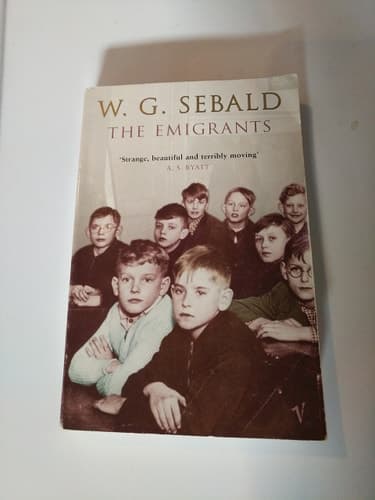
Synopsis
'A book of excruciating sobriety and warmth and a magical concreteness of observation... I know of no book which conveys more about that complex fate, being a European at the end of European civilization' Susan Sontag
At first The Emigrants appears simply to document the lives of four Jewish emigres in the twentieth century. But gradually, as Sebald's precise, almost dreamlike prose begins to draw their stories, the four narrations merge into one overwhelming evocation of exile and loss.
'An unconsoling masterpiece... Exquisitely written and exquisitely translated...a true work of art' Spectator
Recommendations
The Rings of Saturn
by Winfried Georg Sebald
I know you've just finished Sebald, but this is genuinely his masterwork—where he perfected the technique you've just experienced. The meditation on decline and memory here is even more layered, moving through English coastal landscapes with that same accumulation of historical detail and photographs that make you feel you're uncovering something half-buried.
View book
Austerlitz. English
by Winfried Georg Sebald
Actually, let me reconsider—if you want to stay with Sebald's world but experience something slightly different, this one traces a man's fragmented memories of displacement and identity with even greater emotional intensity. The architecture becomes almost a character itself, the way Sebald uses buildings to hold trauma.
View book
The Kindly Ones
by Jonathan Littell
This is a genuinely challenging follow-up—a 900-page immersion in a Nazi officer's consciousness that shares Sebald's obsessive historical detail and moral weight, but approaches it from inside rather than through exile's distance. Littell builds the same sense of inexorable historical machinery, but the prose is baroque where Sebald is spare, which creates an unsettling counterpoint.
View book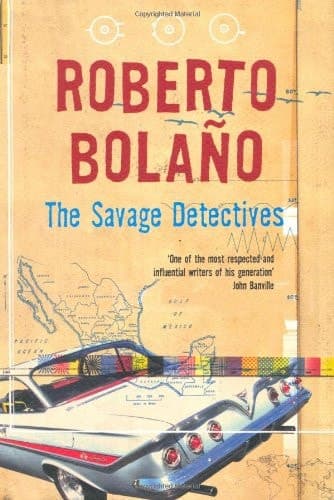
The Savage Detectives A Novel
by Roberto Bolaño
A surprise recommendation, but hear me out: Bolaño shares Sebald's fascination with how lives scatter across geography and time, and his obsessive cataloguing of minor characters and their trajectories creates that same dreamlike accumulation of loss. It's messier, more chaotic than Sebald, but the underlying meditation on exile and literary obsession will resonate deeply.
View book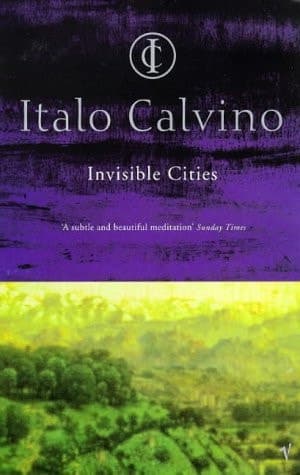
Invisible Cities
by Italo Calvino
This one's from 1972, giving you a different era entirely, and it's deliberately lighter in tone—but don't mistake that for superficiality. Calvino's meditation on memory, loss, and the impossibility of truly knowing a place shares Sebald's elegiac quality, just expressed through architectural imagination rather than historical documentation. It's the book to read when you need Sebald's emotional register but want something that breathes differently.
View bookAbout Winfried Georg Sebald
Biography coming soon.
View author page