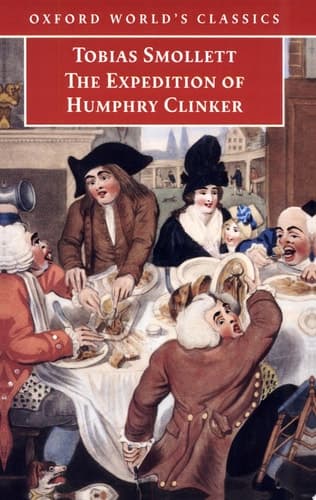
The Expedition of Humphry Clinker
Tobias George SmollettPublished1998
Pages375
Formatpaperback
PublisherOxford University Press
Synopsis
William Thackeray called it "the most laughable story that has ever been written since the goodly art of novel-writing began." As a group of travellers visit places in England and Scotland, they provide through satire and wit a vivid and detailed picture of the contemporary social and political scene.
Recommendations
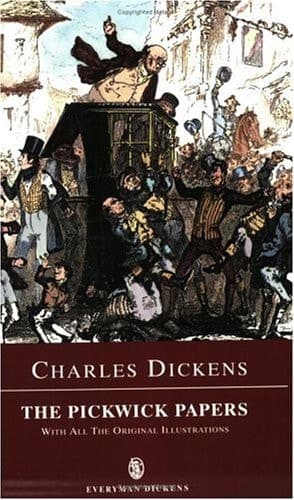
The Pickwick Papers
by Charles Dickens
Dickens shares Smollett's gift for creating unforgettable comic characters and using episodic travel narratives to skewer social pretension, but he adds a warmth beneath the satire that Smollett doesn't quite reach. You'll find the same pleasure in watching well-meaning people stumble through misunderstandings across different English locales, except here the humor has more heart.
View book
Laurence Sterne, "Tristram Shandy"
by Anne Dromart
If you appreciated how Smollett uses multiple perspectives to build a portrait of society, Sterne takes that fragmentation to its logical extreme—his narrator is so digressive and self-aware that the novel becomes a meditation on storytelling itself. It's messier and more experimental than *Humphry Clinker*, but the wit is just as sharp and the social observation equally keen.
View book
The remains of the day de Kazuo Ishiguro
by Gallix/François
This is the surprise pick: where Smollett uses satire to expose social hypocrisy directly, Ishiguro achieves something more devastating through restraint and unreliable narration. A butler's journey through the English countryside becomes a quiet reckoning with how people rationalize their complicity in larger systems—it's a 20th-century novel that shares Smollett's interest in how class and propriety shape behavior, but examines it with surgical precision rather than rollicking comedy.
View book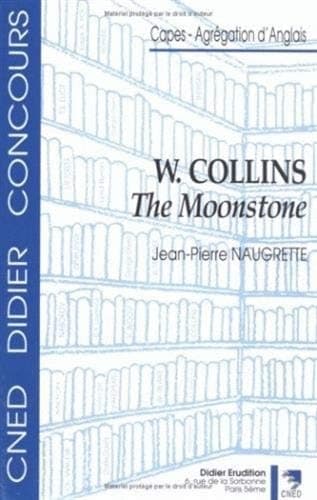
The Moonstone, by Wilkie Collins
by Jean-Pierre Naugrette
Collins borrows the multi-narrator structure you loved in *Humphry Clinker*—different characters tell parts of the story in their own voices—but deploys it for mystery rather than satire. The result is a novel where social pretense becomes genuinely suspicious; you're constantly reassessing what you're being told based on who's telling it, which creates both comedy and genuine intrigue.
View book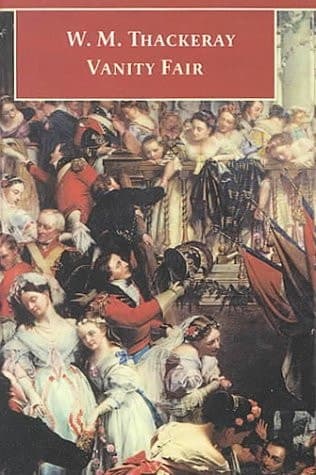
Vanity Fair
by William Makepeace Thackeray
Thackeray actually praised *Humphry Clinker*, and reading his masterwork shows why—he shares Smollett's conviction that society is fundamentally ridiculous, but he's more cynical about whether anyone can escape the game. His narrator openly mocks his characters while remaining oddly sympathetic to them, creating a tonal complexity that deepens the satire beyond simple ridicule.
View bookAbout Tobias George Smollett
T
Tobias George Smollett
1721–1771
A Scottish physician, poet and author.
View author page