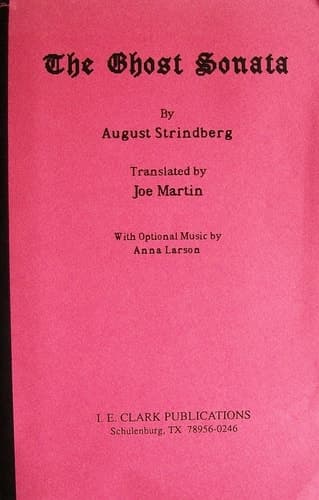
Synopsis
Together in this volume are two plays by the Scandinavian geniuses of modern drama, which focus on a single theme--the reality of death. Translated and edited by Thaddeus L. Torp, this edition contains both August Strindberg's Ghost Sonata and Henrik Ibsen's When We Dead Awaken for performance and study and includes an introduction, a chronology of principal works and important events in the authors' lives, and a bibliography.
Recommendations
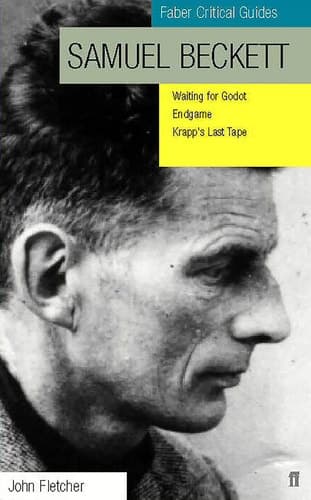
Samuel Beckett Waiting for Godot, Endgame, Krapp's Last Tape
by John Fletcher
Like Strindberg, Beckett strips away conventional narrative to expose the void beneath human interaction—but where Ghost Sonata uses spectral imagery and psychological dissolution, Waiting for Godot achieves the same existential dread through repetition and the absence of meaning itself. Both plays leave you feeling like you've witnessed something that shouldn't be possible on stage, yet somehow is.
View book
The Apocalyptic Vision of Mikhail Bulgakov's the Master and Margarita (Studies in Slavic Language & Literature)
by Edward E. Ericson
Bulgakov's novel does what Ghost Sonata does with theatrical space—it collapses the boundaries between the real and supernatural, the living and dead—but across an entire city and century rather than a single drawing room. The Devil's arrival in Moscow functions much like the Stranger's entrance into the Colonel's household: a catalyst that reveals the corruption already festering beneath polite society.
View book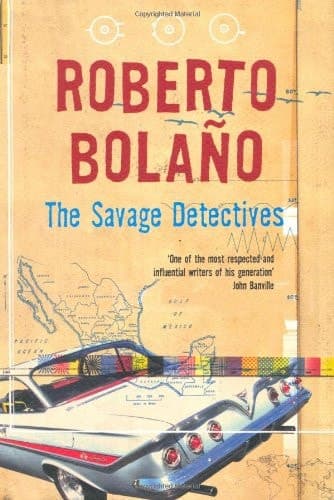
The Savage Detectives A Novel
by Roberto Bolaño
This is the surprise pick: a sprawling, fragmented novel that shares Strindberg's obsession with hidden connections and the dissolution of identity, but through the lens of literary obsession rather than domestic horror. Like Ghost Sonata, it refuses to let you settle into comfortable understanding—the form itself becomes part of the meaning, with reality fragmenting across different voices and timelines.
View book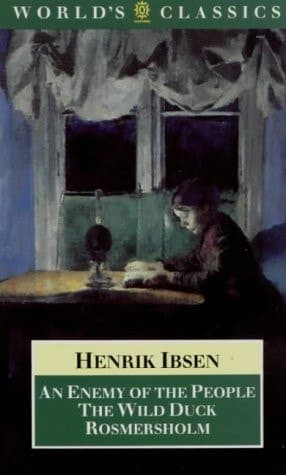
An Enemy of the People ; The Wild Duck ; Rosmersholm
by Henrik Ibsen
Since you've already encountered Ibsen's When We Dead Awaken in your volume, this earlier play offers a different angle on his obsession with how the past haunts the present—here through guilt and moral compromise rather than spiritual awakening. Ibsen's claustrophobic Norwegian interiors create the same sense of psychological entrapment that Strindberg achieves, but with a more surgical precision in how he reveals each character's complicity.
View book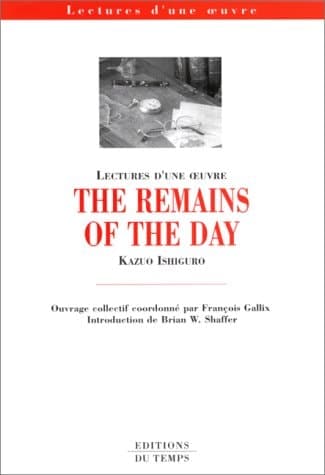
The remains of the day de Kazuo Ishiguro
by Gallix/François
A quieter book than Ghost Sonata, but it operates on the same principle: the narrator's careful, controlled voice gradually reveals the emotional devastation underneath. Ishiguro's butler, like Strindberg's characters, is trapped in a world of surfaces and propriety that slowly suffocates him—the horror here is not supernatural but the quiet recognition of a life unlived, which is perhaps more chilling.
View bookAbout August Strindberg
A
August Strindberg
1849–1912
Swedish novelist and playwright, occasional painter.
View author page