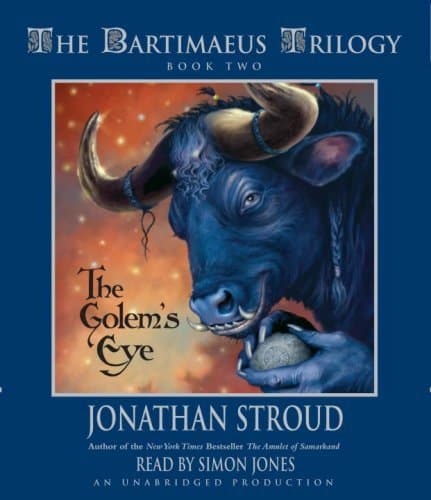
The Golem's Eye (The Bartimaeus Trilogy, Book 2)
Jonathan StroudPages16
Formataudiobook
PublisherListening Library (Audio)
Synopsis
Jonathan Stroud enthralled fantasy lovers with his best-selling Bartimaeus trilogy. The Golem’s Eye is the second installment of the Bartimaeus series and finds the 5,000-year-old djinni summoned by his master Nathaniel once again. Nathaniel, at 14-years-old, is now a part of the magicians’ government, tasked with stopping the growing Resistance. But Nathaniel needs Bartimaeus’ help to succeed. Meanwhile, a teenaged commoner named Kitty becomes an ally for the Resistance, and a fearsome golem begins destroying everything in its path, leaving Nathaniel and Bartimeaus to clean up after it. “The story, which stands alone nicely, retains all of the strengths of Stroud’s first installment and adds many more details to his already vivid fantasy world …”—School Library Journal
Recommendations
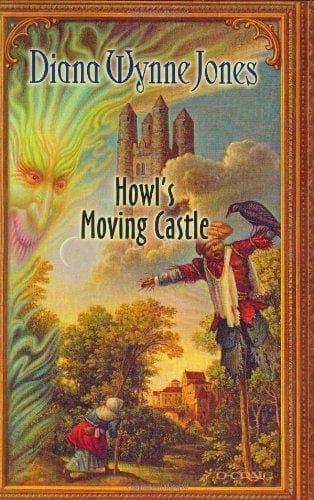
Howl's Moving Castle
by Diana Wynne Jones
Jones shares Stroud's gift for layering humor into genuinely high-stakes magical conflict, and her protagonist Sophie navigates a world where magic operates by its own peculiar rules—much like how Bartimaeus must work within the constraints of summoning and binding. The banter between characters has that same witty, slightly exasperated tone you loved in Bartimaeus's internal monologues.
View book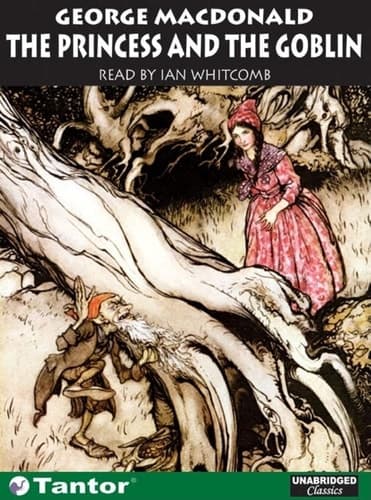
The Princess and the Goblin
by George MacDonald
If you enjoyed watching Nathaniel navigate the treacherous politics of the magicians' government, Addison's exploration of a young outsider thrust into court power structures will feel like coming home—except she focuses on the emotional and social intelligence required to survive rather than magical prowess. The world-building is intricate without overwhelming you, and the protagonist's genuine decency in a corrupt system mirrors Nathaniel's internal conflict.
View book
The Historian
by Elizabeth Kostova
This is my slightly unconventional pick—it's literary historical fiction with gothic elements rather than straight fantasy, but it shares Stroud's obsession with layering multiple narrative voices and timelines to build an intricate puzzle. Like Bartimaeus's footnotes and asides, Kostova uses different perspectives to gradually reveal how a world operates beneath the surface, and there's genuine menace lurking in the scholarly detective work.
View book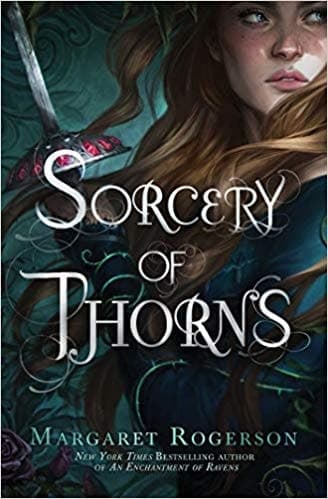
Sorcery of Thorns
by Margaret Rogerson
Rogerson writes magic as something that requires negotiation and understanding rather than domination—there's an echo of Bartimaeus's perspective here, where magical beings have their own agendas and intelligence. The pacing has that same propulsive energy as The Golem's Eye, moving between multiple characters whose conflicts intersect in increasingly complicated ways, and the magic system itself becomes a character with its own rules and personality.
View book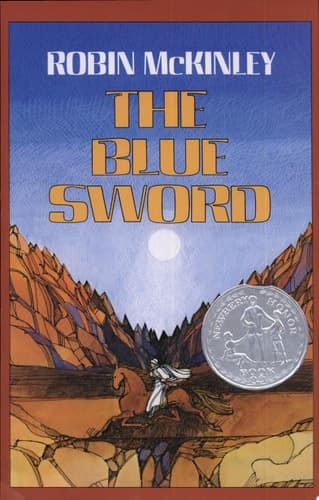
The Blue Sword
by Robin McKinley
Published in 1982, this gives you a different era of fantasy while maintaining that same careful attention to how magic functions within a society's political and cultural structures. McKinley's protagonist discovers that power and belonging aren't the same thing—a theme that resonates with both Nathaniel's and Kitty's arcs—and the prose has a clarity that lets complex worldbuilding breathe without becoming exposition-heavy.
View bookAbout Jonathan Stroud
J
Jonathan Stroud
Born 1970
Jonathan Anthony Stroud (born 27 October 1970) is a British writer of fantasy fiction, best known for the Bartimaeus young adult sequence and Lockwood & Co. children's series. His books are typically set in an alternative history London with fantasy elements, and have received note for his satire, and use of magic to reflect themes of class struggle. The Bartimaeus sequence is the recipient of the Grand Prix de l'Imaginaire and Mythopoeic Fantasy Awards. Stroud's works have also been featured on ALA Notable lists of books for children and young adults.
View author page