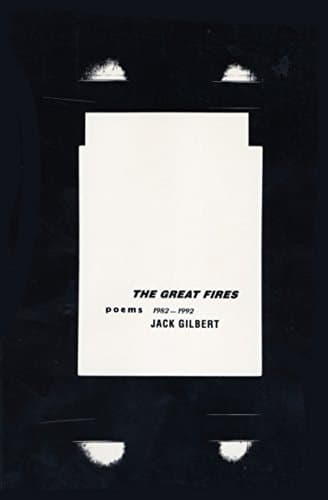
The Great Fires Poems, 1982-1992
Unknown
Published1996
Synopsis
JOYCE'S MOTTO has had much fame but few apostles. Among them, there has been Jack Gilbert and his orthodoxy, a strictness that has required of this poet, now in the seventh decade of his severe life, the penalty of his having had almost no fame at all. In an era that puts before the artist so many sleek and official temptations, keeping unflinchingly to a code of "silence, exile, and cunning" could not have been managed without a show of strictness well beyond the reach of the theater of the coy.
The "far, stubborn, disastrous" course of Jack Gilbert's resolute journey--not one that would promise in time to bring him home to the consolations of Penelope and the comforts of Ithaca but one that would instead take him ever outward to the impossible blankness of the desert--could never have been achieved in the society of others. What has kept this great poet brave has been the difficult company of his poems--and now we have, in Gilbert's third and most silent book, what may be, what must be, the bravest of these imperial accomplishments.
Recommendations
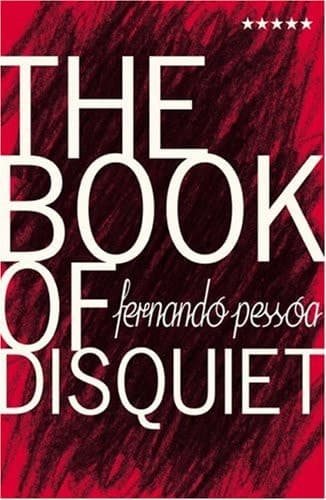
The Book of Disquiet
by Fernando Pessoa
Like Gilbert's compressed, aphoristic intensity, Pessoa builds philosophical weight through fragmented meditations rather than narrative sweep. Both poets understand that silence and restraint can contain more truth than eloquence—Pessoa's unnamed narrator and Gilbert's spare language share that same refusal to comfort the reader with easy answers or conventional beauty.
View book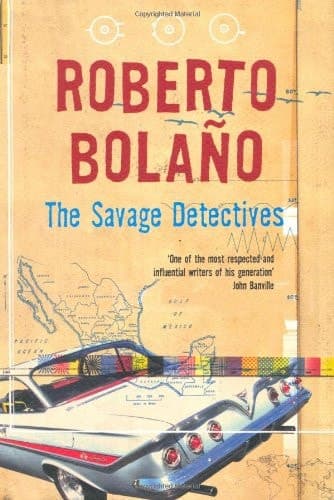
The Savage Detectives A Novel
by Roberto Bolaño
Bolaño's obsessive poets chasing meaning through deserts (literal and metaphorical) echo Gilbert's 'impossible blankness of the desert'—but here the search becomes a sprawling, almost manic narrative that somehow honors the same uncompromising artistic vision. It's what happens when you give Gilbert's austere philosophy a 700-page canvas and let it breathe into something wilder.
View book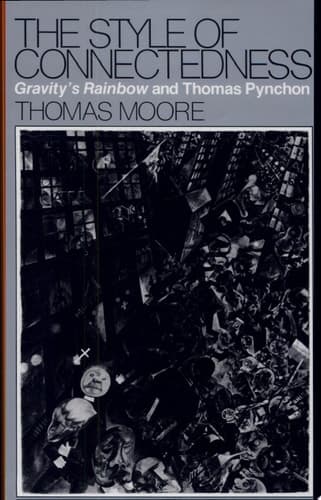
The Style of Connectedness Gravity's Rainbow and Thomas Pynchon
by Thomas Moore
This might seem like a departure, but Pynchon shares Gilbert's refusal to make things easy for his reader—both demand you sit with difficulty and ambiguity rather than resolve it. Where Gilbert achieves this through silence and omission, Pynchon does it through baroque excess, but the underlying principle is identical: the artist's duty is to truth, not to your comfort.
View book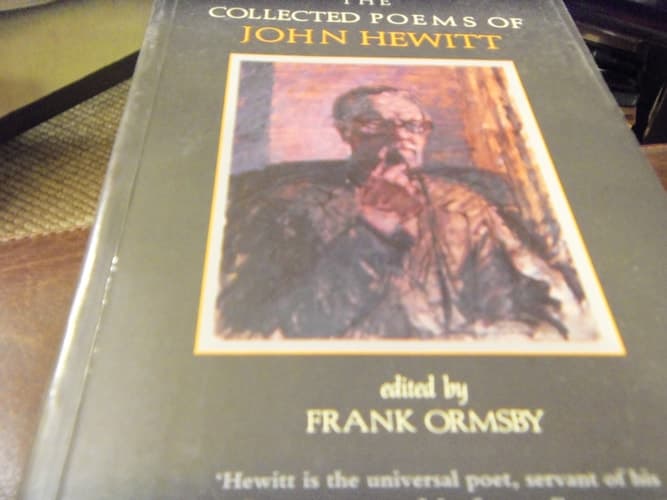
The Collected Poems of John Hewitt
by John Harold Hewitt
A 19th-century touchstone that proves Gilbert's aesthetic wasn't invented in the 1980s—Dickinson's dashes, her refusal of conventional meter, her compression of enormous feeling into tiny spaces all prefigure Gilbert's own strictness. Both poets understood that what you leave out is as important as what remains, and both paid a price for that uncompromising vision.
View bookThe Savage Detectives A Novel
by Roberto Bolaño
Lispector's philosophical intensity and her willingness to abandon conventional narrative for something more urgent and raw align with Gilbert's refusal of easy forms. Her prose has that same quality of someone wrestling with fundamental questions of existence and art—both writers treat language as something that must be earned, not merely deployed.
View bookAbout Unknown
U
Unknown
Biography coming soon.