Synopsis
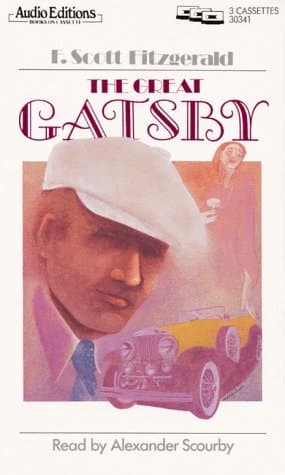
Recounts the story of a newly rich young man who tries to recapture the past and win back his former love, despite the fact that she has married.
Recommendations
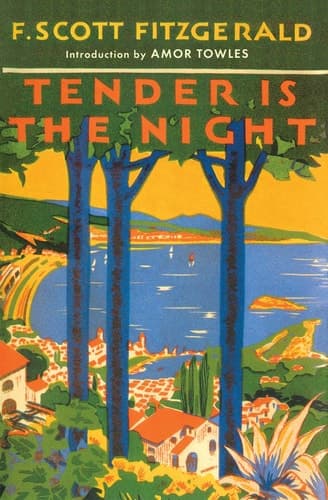
Tender Is the Night
by F. Scott Fitzgerald
Wait—I know what you're thinking. But hear me out: this is Fitzgerald writing about the same Jazz Age obsessions five years later, and it's darker, more fragmented, and genuinely tragic in ways Gatsby only hints at. Where Gatsby is crystalline and controlled, this one sprawls across the French Riviera like a fever dream, and the emotional devastation is far more complicated.
View book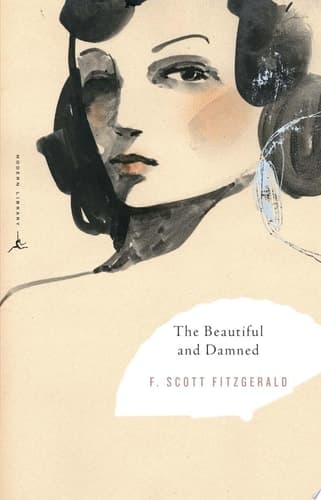
The Beautiful and Damned
by F. Scott Fitzgerald
Waugh takes the same premise—beautiful people waiting for an inheritance while their lives dissolve—but weaponizes it with savage comedy. Where Fitzgerald is elegiac about the Jazz Age's emptiness, Waugh is gleefully vicious about it. The prose has that same glittering surface, but underneath it's all moral rot and farcical desperation.
View book
The remains of the day de Kazuo Ishiguro
by Gallix/François
This is my surprise pick, and it works because both novels are about men reconstructing the past through unreliable memory, trying to convince themselves—and us—that their choices made sense. But where Gatsby reaches backward with desperate longing, Stevens reaches backward with devastating restraint, and the tragedy is in what he *won't* admit to himself. The emotional architecture is completely different, but the heartbreak hits the same nerve.
View book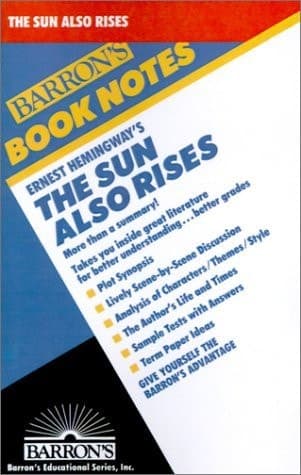
Ernest Hemingway's The Sun Also Rises
by Robert Dunn
Hemingway's lost generation novel moves through Europe the way Gatsby moves through Long Island—with beautiful surfaces and wounded people underneath. But where Fitzgerald is lush and symbolic, Hemingway strips everything down to what's actually said and unsaid. You get the same post-war malaise and romantic impossibility, just told in a completely different emotional register: sparse instead of ornate.
View book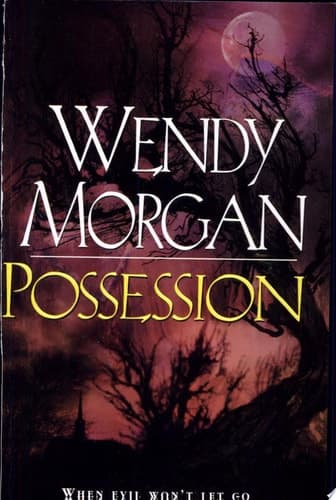
Possession
by Wendy Morgan
This one's set in the present day (1980s) but obsessed with the past—two literary scholars chasing the secrets of two dead poets, and slowly realizing they're recreating the poets' own doomed romance. It has Gatsby's architecture of desire and mystery, but Byatt layers in intellectual passion, metafiction, and the idea that the past doesn't stay past. It's longer and more intricate, but if you loved the puzzle-box quality of Gatsby's narrative, this will absolutely grip you.
View bookAbout F. Scott Fitzgerald
Biography coming soon.
View author page