Synopsis
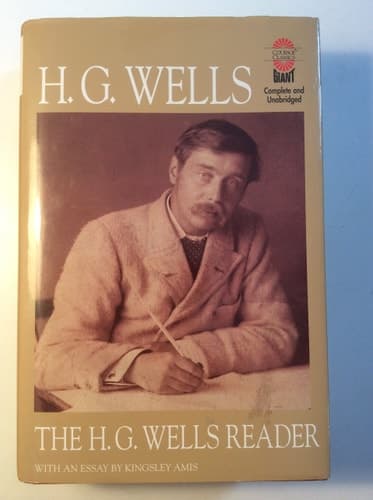
A collection of some of H.G. Wells' best known works, featuring reprints of first and early editions of four novels and one short story, namely THE INVISIBLE MAN, THE WAR OF THE WORLDS, THE TIME MACHINE, THE ISLANDS OF DR MOREAU and THE CRYSTAL EGG. Includes essays by Kingsley Amis and Anthony West, H.G. Wells' son.
Recommendations
The Difference Engine
by William Gibson
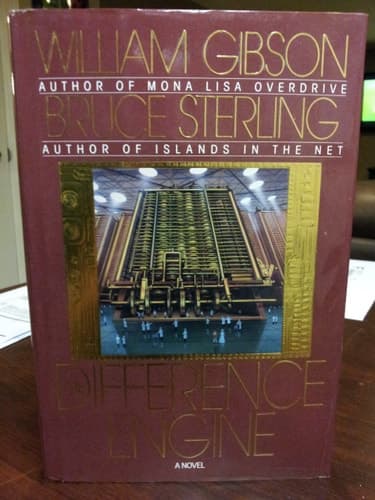
Like Wells, Gibson and Sterling build entire worlds on a single technological premise—here, what if Babbage's analytical engine had actually worked in Victorian England? You'll find that same intoxicating blend of rigorous speculation and genuine wonder at how one invention cascades through society, plus the same Victorian-era setting that gives Wells' work its particular flavor of strangeness.
View book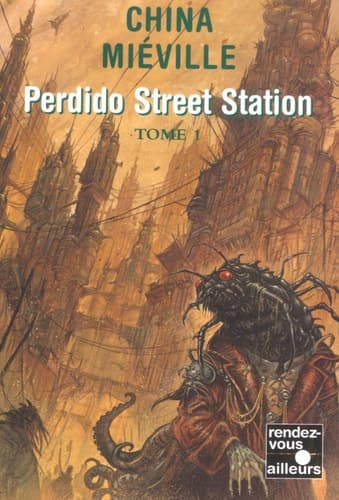
Perdido Street Station
by China Miéville
Miéville shares Wells' gift for making the genuinely alien feel tactile and real—his city of New Crobuzon has the same sense of a fully-realized ecosystem as Moreau's island, but he extends that to architecture, politics, and culture. The creatures here aren't just monsters; they're part of a world that operates by its own logic, much like the Martians in War of the Worlds.
View book
The Quantum Dot A Journey Into the Future of Microelectronics
by Richard Turton
This is the surprise pick: it's far more recent (2010) and mathematically dense in ways Wells never attempted, yet it captures that same sense of encountering genuinely foreign intelligences and technologies that you can't quite wrap your head around. Rajaniemi trusts readers to sit with confusion the way Wells did—you're not meant to understand everything immediately, and that's the point.
View book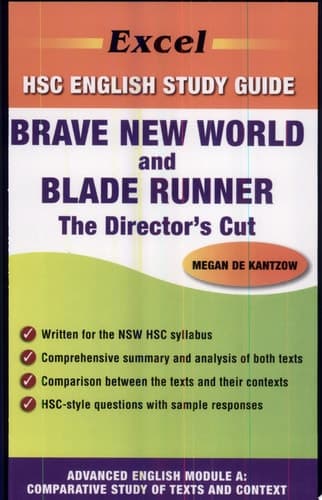
Brave New World by Aldous Huxley and Blade Runner: the Director's Cut Directed by Ridley Scott
by Megan De Kantzow
Huxley was writing in Wells' shadow but took his speculative method in a more sociological direction—where Wells asked 'what if this technology existed?', Huxley asked 'what if society optimized itself around it?' Both authors share that clinical, almost detached tone when describing dystopias, and both are genuinely interested in how power structures would actually function, not just in dramatic conflict.
View book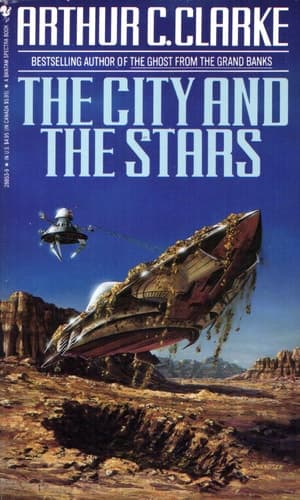
The City and the Stars
by Arthur C. Clarke
Clarke takes Wells' Time Machine concept—exploring a far future Earth—and develops it with the rigor of an engineer. Where Wells gave you mystery and dread, Clarke gives you wonder and genuine scientific reasoning about how civilization might persist across billions of years. Both authors write as if they're reporting on real places, which is precisely what makes the impossible feel credible.
View bookAbout H. G. Wells
Biography coming soon.
View author page