
Synopsis
For readers in cultural studies, feminist theory, science studies and cyberculture, Donna Haraway is one of our keenest observers of nature, science and the social world. This volume is provides an introduction to her thought.
Recommendations
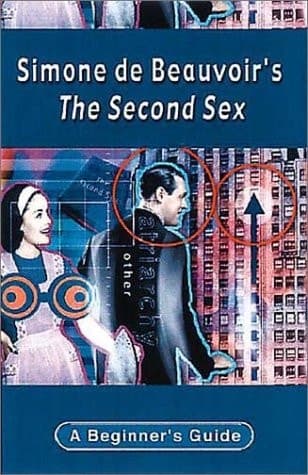
Simone de Beauvoir's the Second Sex
by George Myerson
Where Haraway asks how we've constructed nature and the body through science and culture, de Beauvoir does the foundational philosophical work on how 'woman' itself became a category. Reading this 1949 classic after Haraway gives you the genealogy of her thinking—you'll see how she's building on and radically reimagining de Beauvoir's project for the cyborg age.
View book
The Three-Body Problem
by Mauri J. Valtonen
This is your surprise pick: a hard science fiction novel that does what Haraway does theoretically—it refuses the boundary between nature and culture, between human and non-human actors, and treats scientific knowledge as deeply entangled with politics and survival. Liu's aliens aren't metaphors; they're a way of thinking through how science shapes our relationship to the world.
View book
Staying Healthy with the Seasons 21st-Century Edition
by Elson M. Haas
Tsing shares Haraway's commitment to taking seriously the lives of non-human creatures and the way knowledge gets made in messy, multispecies encounters. Her writing about matsutake mushrooms and their fungal networks reads like Haraway's theory made anthropologically concrete—you'll recognize the intellectual DNA while seeing it applied to a very specific, very strange ecological problem.
View book
Friendship Bands Braiding, Weaving, Knotting
by Marlies Busch
Kimmerer approaches nature from a completely different angle than Haraway—Indigenous knowledge systems rather than cyborg theory—but she's asking the same urgent question: how do we think about our relationship to non-human beings without the extractive logic that Western science has embedded? It's a grounding read after Haraway's more abstract provocations.
View book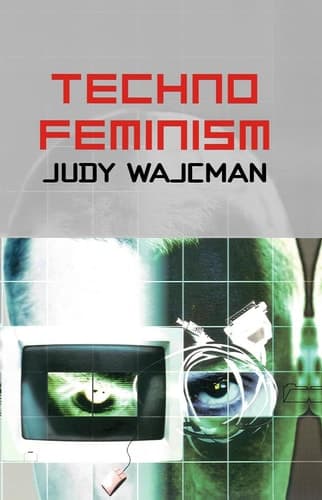
TechnoFeminism
by Judy Wajcman
Wajcman takes Haraway's cyborg feminism and tests it against actual technology studies and labor history—she's asking whether the cyborg really liberates us or whether we need to be more skeptical about technology's promises. It's a friendly argument with Haraway's work, grounded in how women actually experience technological change, not just how we theorize it.
View bookAbout Donna Jeanne Haraway
Biography coming soon.
View author page