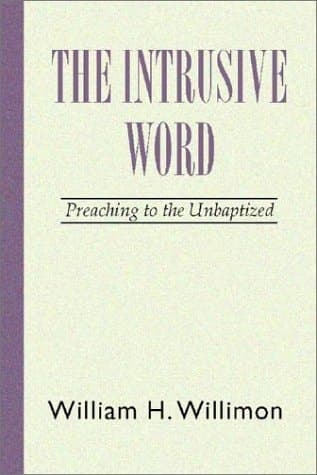
The Intrusive Word: Preaching to the Unbaptized
William H. WillimonPublished2002
Pages152
Formatpaperback
PublisherWipf & Stock Publishers
Synopsis
The Intrusive Word follows William H. Willimon's widely acclaimed Peculiar Speech: Preaching to the Baptized. Whereas the latter pondered the implications of speaking week after week to the believer, this volume considers what it means to preach to those who have not yet heard the gospel in its life-changing, disruptive fullness.
Recommendations
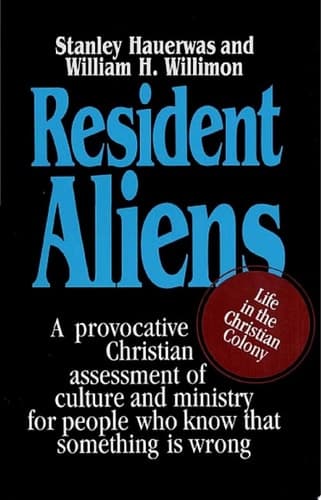
Resident Aliens Life in the Christian Colony
by Stanley Hauerwas
Hauerwas shares Willimon's conviction that the church must speak in its own peculiar language rather than translating itself into cultural currency, but he approaches it through the lens of Christian ethics and community formation. Where Willimon focuses on the homiletic act itself, Hauerwas examines how that distinctive speech shapes the entire life of believers—making this a natural companion that deepens the theological stakes of what happens when we preach without apology.
View book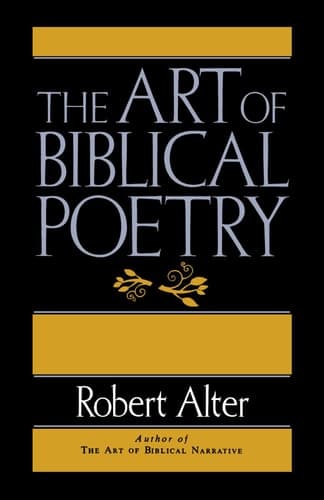
The Art of Biblical Poetry
by Robert Alter
This 1981 work predates Willimon's by two decades and offers something he presupposes but doesn't fully explore: how biblical texts themselves model the art of persuasion and revelation through narrative technique rather than explicit argument. Alter's close readings show how Scripture creates meaning through restraint and implication—precisely the kind of literary sophistication that makes preaching to the unbaptized so delicate and necessary.
View book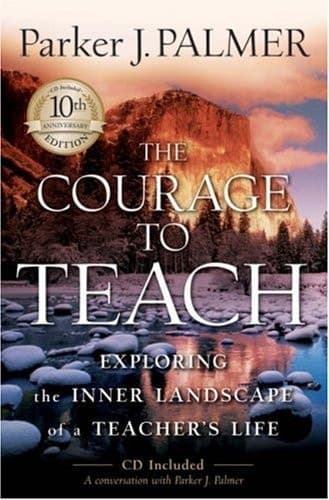
The Courage to Teach: Exploring the Inner Landscape of a Teacher's Life
by Parker J. Palmer
Here's the surprise: Palmer writes about teaching, not preaching, but his insistence that authentic teaching requires the teacher's whole self—not just technique or content delivery—speaks directly to Willimon's concern about preaching as an act of personal witness. Palmer's meditative, almost spiritual approach to the vulnerability required in standing before others who don't yet understand you creates a fascinating dialogue with homiletical theory.
View book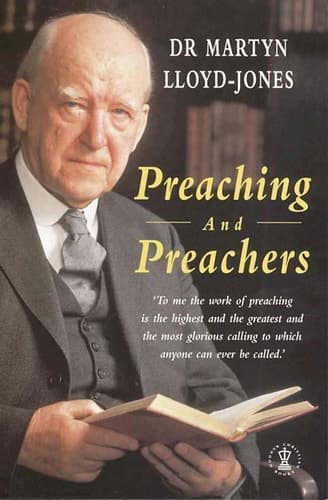
Preaching and Preachers
by David Martyn Lloyd-Jones
Lloyd-Jones brings a different generation's voice (his lectures date to the 1970s) to the same fundamental question: what is preaching for? While Willimon wrestles with the baptized/unbaptized distinction, Lloyd-Jones insists on preaching's power to transform through the Holy Spirit's work rather than rhetorical cleverness—a tension that will sharpen your thinking about what Willimon means by the gospel's 'disruptive fullness.'
View book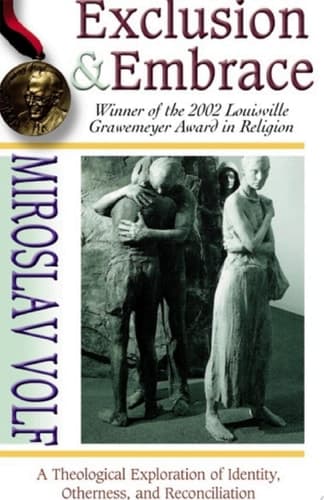
Exclusion and Embrace A Theological Exploration of Identity, Otherness, and Reconciliation
by Miroslav Volf
Volf addresses the theological problem underlying Willimon's project: how do we speak across the boundary between believer and unbeliever without either erasing the difference or treating the other as merely a project to be converted? His wrestling with identity, otherness, and genuine encounter offers a more philosophically rigorous framework for thinking about what 'intrusive' speech actually means and when it's justified.
View bookAbout William H. Willimon
Biography coming soon.
View author page