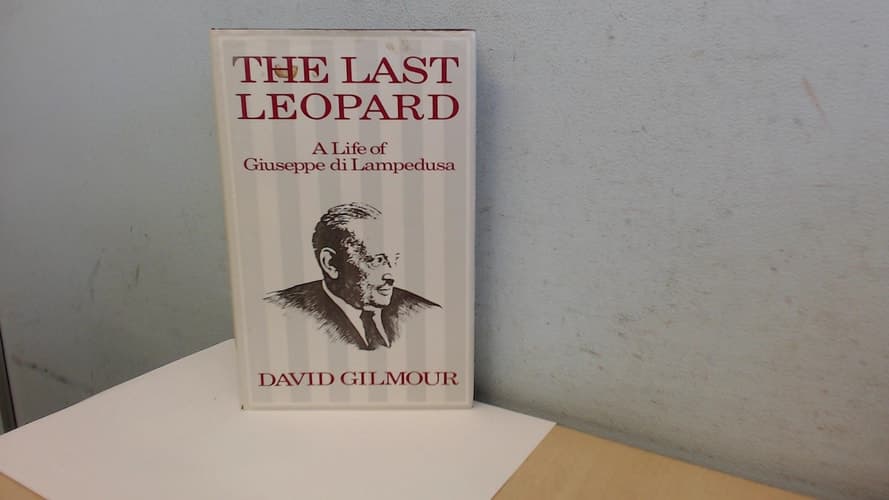
The last leopard: A life of Giuseppe di Lampedusa
David GilmourPublished1988
Pages223
Formathardcover
PublisherQuartet Books
Synopsis
David Gilmour's biography of Giuseppe di Lampedusa unearths the life story of the creator of 'The Leopard', one of the great novels of the 20th century.
Recommendations
The Last Leopard A Life of Giuseppe Di Lampedusa
by David Gilmour
Since you've just finished Gilmour's biography, you're now perfectly positioned to read the novel itself with fresh eyes. Knowing the man behind the masterpiece—his aristocratic melancholy, his late-life creative burst, his complicated relationship with Sicily—will deepen every page. The novel reads differently when you understand how much of Lampedusa's own world is bleeding through the Prince's resignation.
View book
The remains of the day de Kazuo Ishiguro
by Gallix/François
Ishiguro captures something Gilmour clearly found in Lampedusa—that particular tragedy of intelligent, cultured men watching their world dissolve while maintaining perfect composure. Stevens, like the Prince, is a study in what gets lost when duty and dignity become indistinguishable from self-deception. Both novels are elegies disguised as quiet afternoons.
View book
Invisible Cities
by Italo Calvino
This is the surprise pick—it's not a traditional biography or novel, but a prose poem about memory and place that feels like the spiritual cousin to both Lampedusa's work and Gilmour's investigation. Calvino builds impossible cities through description alone, much like how Lampedusa reconstructed a dying Sicily through the Prince's consciousness. It's experimental, but in a way that will feel natural after Gilmour's layered biographical approach.
View book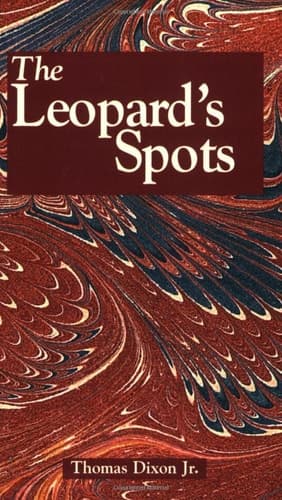
The Leopard's Spots A Romance of the White Man's Burden--1865-1900
by Thomas Dixon
Wait—before you worry about the title, this 1902 novel is a completely different beast: it's a historical novel about Reconstruction-era America that, like Lampedusa's work, examines how old aristocratic orders collapse and attempt to reinvent themselves. Dixon writes with the same attention to social detail and class anxiety that makes Gilmour's biography so gripping. It's a period piece about people clinging to a world that's already gone.
View book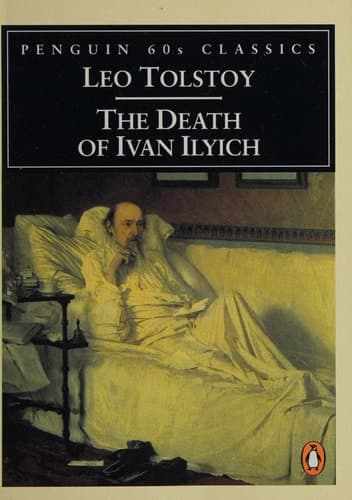
The Death of Ivan Ilyich
by Leo Tolstoy
This novella (from 1886, giving you that different-decade requirement) is Tolstoy's most concentrated exploration of a cultivated man confronting the inadequacy of his own life—something Gilmour suggests Lampedusa grappled with constantly. It's shorter than The Leopard but equally devastating, and it shares that same unflinching look at how a refined, ordered existence can mask a kind of spiritual emptiness. Both works ask: what was the point?
View bookAbout David Gilmour
D
David Gilmour
Born 1952
Biography coming soon.
View author page