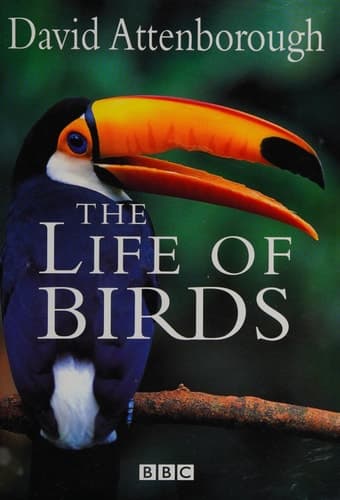
Synopsis
Over 9,000 species, the most widespread of all animals: on icebergs, in the Sahara or under the sea, at home in our gardens or flying for over a year at a time. Earthbound, we can only look and listen, enjoying their lightness, freedom and richness of plumage and song.
David Attenborough has been watching and learning all his life. His new book, with its accompanying series of films for BBC TV, is a brilliant introduction to bird behaviours around the world: what they do and why they do it. He looks at each step in birds' lives and the problems they have to solve: learning to fly; finding food; communicating; mating and caring for nests, eggs and young; migrating; facing dangers and surviving harsh conditions.
Sir David has no equal in helping others to learn and making it exciting. His curiosity and enjoyment are infectious. He shows the lifelong pleasure that birds around us offer, and how much we miss if unaware of them.
Recommendations
The Wisdom of Big Bird (and the Dark Genius of Oscar the Grouch) Lessons from a Life in Feathers
by Caroll Spinney
Ackerman shares Attenborough's gift for making scientific observation feel like intimate storytelling, but she goes deeper into the cognitive abilities of birds—their problem-solving, memory, and social intelligence. Where Attenborough shows you what birds do, Ackerman helps you understand why their brains are doing remarkable things, often rivaling primates in unexpected ways.
View book
The Gentle Subversive Rachel Carson, Silent Spring, and the Rise of the Environmental Movement
by Mark H. Lytle
Published in 1962, this is the ecological wake-up call that changed how we see birds and their place in our world. Carson writes with the same lyrical precision as Attenborough, but she's investigating what happens when we poison the systems birds depend on—it's Attenborough's world, but asking the harder question of what we're doing to it.
View book
H is for Hawk
by Helen Macdonald
This is your surprise pick—it's part memoir, part natural history, part grief narrative. Macdonald trains a hawk while processing her father's death, and the book becomes a meditation on attention itself: how Attenborough teaches us to *watch* birds, Macdonald shows us what happens when you watch so intensely that a bird becomes a mirror for your own emotional landscape.
View book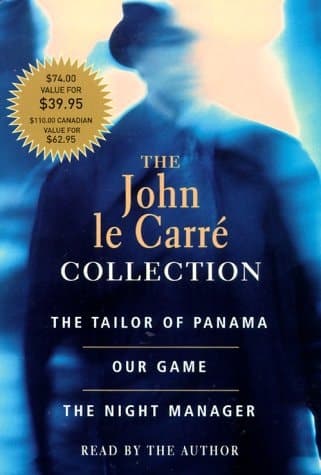
John le Carre Value Collection: Tailor of Panama, Our Game, and Night Manager (The John Le Carre Collection)
by John le Carre
Rather than recommending a full Audubon collection, this specific focus lets you experience the obsessive attention to detail that founded modern bird study. Audubon's illustrations and descriptions have the same patient curiosity as Attenborough, but from a 19th-century naturalist who was watching birds before we had the language to fully explain their behavior—there's something humbling about seeing how much he understood through pure observation.
View book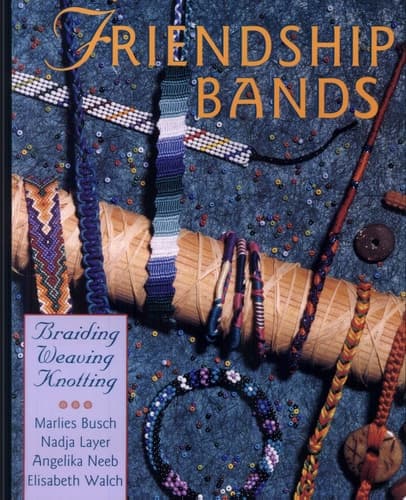
Friendship Bands Braiding, Weaving, Knotting
by Marlies Busch
Kimmerer writes as both a botanist and a member of the Citizen Potawatomi Nation, and while her focus is plants, she's doing something Attenborough gestures toward but doesn't fully explore: asking how we might listen to the natural world rather than just observe it. Birds appear throughout as part of an interconnected system where humans have responsibilities, not just privileges as watchers.
View bookAbout David Attenborough
D
David Attenborough
Born 1926
Sir David Frederick Attenborough is an English broadcaster and naturalist. He is best known for writing and presenting the nine Life series, in conjunction with the BBC Natural History Unit, which collectively form a comprehensive survey of animal and plant life on the planet. He is also a former senior manager at the BBC, having served as controller of BBC Two and director of programming for BBC Television in the 1960s and 1970s. He is the only person to have won BAFTAs for programmes in each of black and white, colour, HD, and 3D. - Wikipedia
View author page