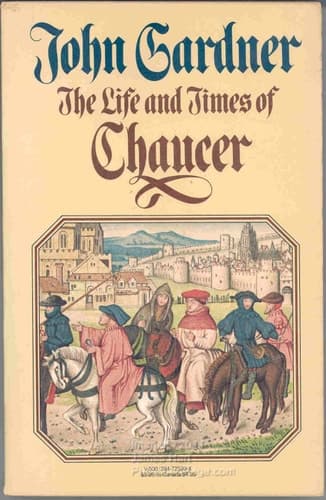
Synopsis
"Reconstructs the life and historical period of the great fourteenth-century poet, combining the scholar's research and the novelist's concerns in an account of Chaucer's education, government service, and poetic development." -- Amazon.com viewed January 29, 2021.
Recommendations
My Best for the Kingdom History and Autobiography of John Lowe Butler, a Mormon Frontiersman
by William G. Hartley
Like Gardner's approach, this weaves together a poet's personal journey with the cultural and political currents that shaped his work—but Yeats writes it himself, giving you that intimate voice alongside the historical sweep. You'll see how a writer's life becomes inseparable from their art in ways that Gardner reconstructs, but here you're getting the poet's own interpretation of those connections.
View book
The Historian
by Elizabeth Kostova
This is my surprise pick for you—it's a literary thriller, not a biography, but it shares Gardner's obsession with uncovering a historical figure through research, documents, and detective work. Kostova structures the entire novel around the hunt for truth about Dracula across centuries and archives, giving you that same satisfaction of watching scholarship become narrative that you loved in Gardner's Chaucer.
View book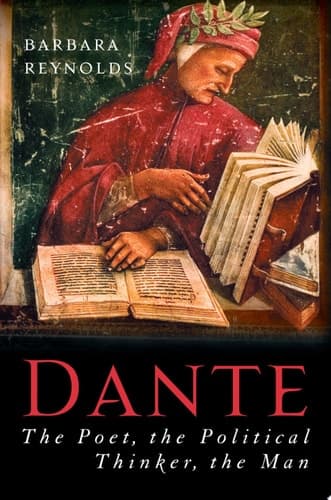
Dante The Poet, the Political Thinker, the Man
by Barbara Reynolds
Lewalski brings a scholar's rigor to another medieval poet-statesman whose life was as turbulent as his writing was revolutionary. She's particularly sharp on how Dante's exile shaped his work—similar to how Gardner traces the way Chaucer's government service and travels informed his poetry, but with even more attention to the political stakes of being a writer in a fractured world.
View book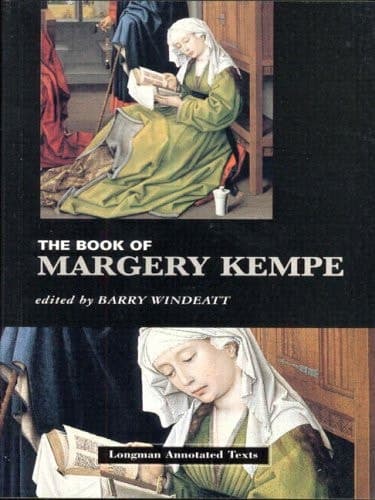
The Book of Margery Kempe A New Translation, Contexts, Criticism
by Barry Windeatt
This is Chaucer's contemporary speaking in her own voice—a woman navigating medieval society, pilgrimage, and spiritual authority in ways that would've fascinated Chaucer himself. Reading it after Gardner's reconstruction gives you a chance to encounter the actual voice of someone from Chaucer's world, unmediated by a modern biographer, which creates an interesting dialogue with what you've just learned.
View book
From The Making of Americans Gleanings from the Book by Gertrude Stein
by Gertrude Stein
Published in 1925, this is deliberately outside Gardner's 1978 timeframe, and it's experimental in ways Gardner's scholarship isn't—but Stein's obsessive documentation of how people are shaped by history, family, and circumstance echoes Gardner's project of reconstructing a life from fragments. It's challenging, but if you appreciated Gardner's blend of scholarly detail with human understanding, Stein's relentless attention to how character forms will intrigue you.
View bookAbout John Gardner
J
John Gardner
1926–2007
John Edmund Gardner was an English writer of spy and thriller novels. He is best known for his James Bond continuation novels, but also wrote a series of Boysie Oakes books and three novels containing Sir Arthur Conan Doyle's fictional villain, Professor Moriarty.
View author page