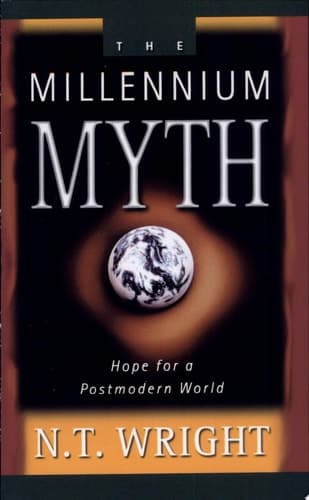
The Millennium Myth
Nicholas Thomas WrightPublished1999
Pages111
Formatpaperback
PublisherWestminster John Knox Press
Synopsis
Wright argues that getting ready for the millennium does not mean getting ready for the end of the world as we know it, and shows that the millennium hype is masking a deeper problem in our culture. By following some ancient words on hope, Wright outlines a practical way for creating a better world as we move into the coming age.
Recommendations
Christian Origins and the Question of God: The New Testament and the people of God
Christian Origins and the Question of God: The New Testament and the people of God
by Nicholas Thomas Wright
Since you connected with Wright's practical theology and his grounding of hope in ancient wisdom, this earlier work gives you the scholarly foundation for his thinking—it's where he builds the biblical case that shapes everything in The Millennium Myth. You'll see how his argument about cultural renewal actually emerges from his reading of first-century Jewish and Christian texts.
View book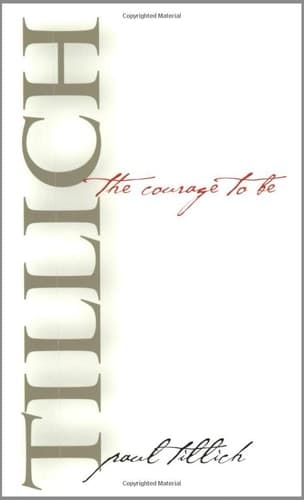
The Courage to be
by Paul Tillich
Tillich tackles the same anxiety Wright identifies in millennium culture—that creeping sense that something's fundamentally wrong beneath the surface panic—but he does it through existential philosophy rather than theology. Where Wright offers practical hope, Tillich diagnoses the spiritual vertigo underneath, making them perfect companions for understanding both the problem and the solution.
View book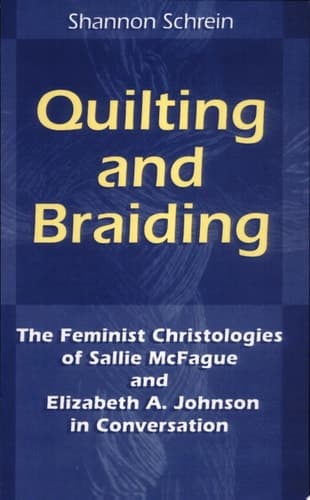
Quilting and Braiding The Feminist Christologies of Sallie McFague and Elizabeth A. Johnson in Conversation
by Shannon Schrein
This is your surprise pick—it's not theology or philosophy, but Kimmerer does exactly what Wright advocates: she shows how ancient ways of knowing (Indigenous practices) offer practical solutions for creating a better world, specifically around our relationship with the earth. It's Wright's thesis applied to environmental ethics, written with the lyrical precision of someone who's both a scientist and a storyteller.
View book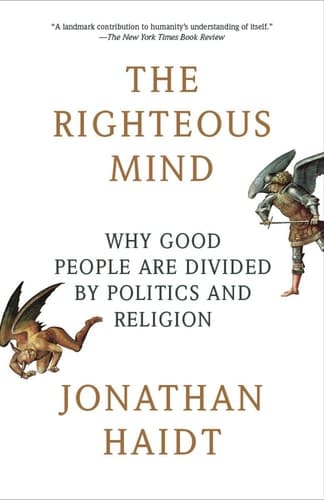
The Righteous Mind Why Good People Are Divided by Politics and Religion
by Jonathan Haidt
Haidt examines why Wright's vision of cultural hope keeps fracturing along moral and political lines—he maps the psychological foundations of how different groups see the good life. Reading this after Wright gives you the sociological explanation for why his practical hope is so hard to implement, which is oddly clarifying rather than depressing.
View book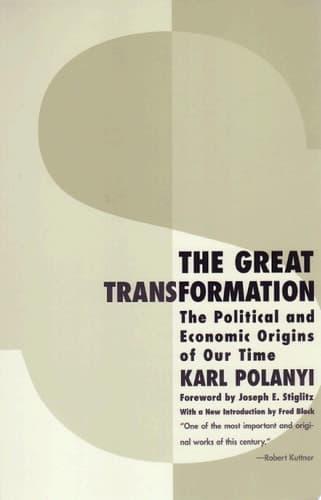
The Great Transformation The Political and Economic Origins of Our Time
by Karl Polanyi
Polanyi's 1944 classic traces how modern market society created the very anxieties and disconnections Wright identifies in millennium culture—he shows the historical moment when we lost certain kinds of social cohesion. It's a deep historical read that explains *why* we need the kind of cultural renewal Wright proposes, giving you the genealogy of the problem.
View bookAbout Nicholas Thomas Wright
Biography coming soon.
View author page