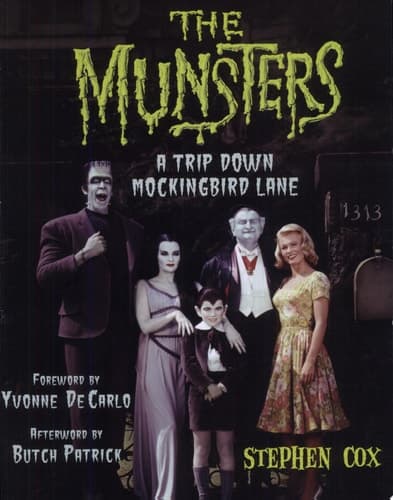
The Munsters A Trip Down Mockingbird Lane
Stephen CoxPublished2006
Pages208
Formatpaperback
PublisherWatson-Guptill Publications, Incorporated
Synopsis
If you recognise the famous Mockingbird Lane address, you probably grew up in the 1960's and never missed a chance to see the Munsters. This guide takes a comprehensive look at the 1960s TV show. The text includes a complete episode guide and rare photographs from the archives of Universal Studios, as well as interviews with cast and crew, revealing the deepest, darkest secrets of the Munster family.
Recommendations
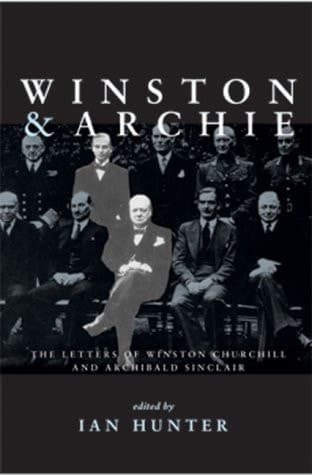
Winston and Archie: The Letters of Winston Churchill and Archibald Sinclair
by Winston , 1874-1965 Churchill
You've clearly got an appetite for the quirky intersection of pop culture history and behind-the-scenes entertainment minutiae. Lash's work documenting how beloved characters navigate unexpected crossovers and cultural moments has that same archival enthusiasm Cox brings to the Munsters—it's about understanding how these strange, wonderful properties actually came to exist and what they meant to audiences.
View book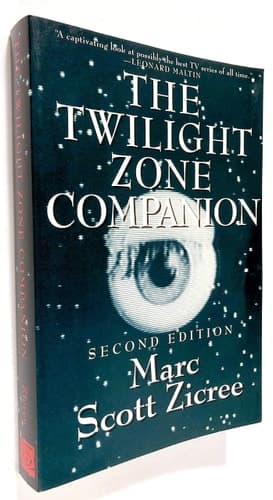
The Twilight Zone Companion
by Marc Scott Zicree
If you loved Cox's blend of episode guides, behind-the-scenes photography, and cast interviews, Zicree's definitive Twilight Zone companion is practically a sibling to your book—same era, same meticulous archival approach, but covering a show that was deliberately unsettling rather than campy. You'll get that same sense of discovering how television magic actually happened, just with a different emotional temperature.
View book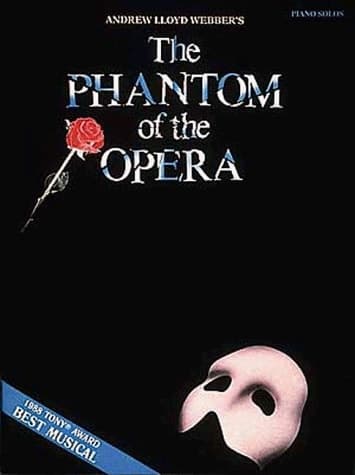
Phantom of the Opera
by Andrew Lloyd Webber
Here's your surprise pick: Kay reimagines the Phantom as a sympathetic, fully realized character living in a grotesque world he didn't choose—not unlike how the Munsters are monsters trying to navigate a "normal" society. But where the TV show played that tension for laughs, Kay explores it with genuine pathos and psychological depth. It's gothic, atmospheric, and asks what it means when the "monsters" are actually the most human people in the room.
View book
The Sinatra Solution
by Stephen T. Sinatra
You clearly enjoy the granular, archival approach to entertainment history—the interviews, the rare photographs, the secrets revealed. Kaplan's Sinatra biography has that same obsessive attention to detail about how a performer actually worked, what the studio system was really like behind closed doors, and how a public persona gets constructed. It's a different medium than television, but the same era and the same hunger for the truth beneath the glamour.
View book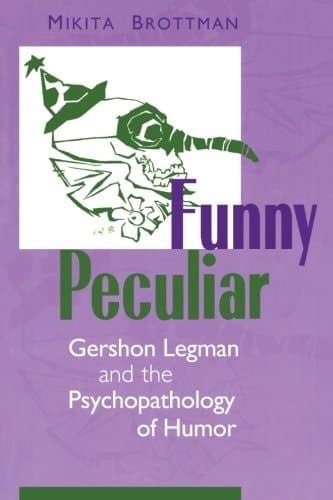
Funny Peculiar Gershon Legman and the Psychopathology of Humor
by Mikita Brottman
The Munsters worked because of perfectly timed absurdist humor wrapped around a family unit—and the Goon Show pioneered that exact comedic sensibility in radio before television caught up. Milligan's collection gives you the scripts and context for understanding how surreal, character-driven comedy actually gets built, with the same affectionate documentation of a beloved show's creative process that drew you to Cox's book.
View bookAbout Stephen Cox
S
Stephen Cox
Born 1966
Biography coming soon.
View author page