Synopsis
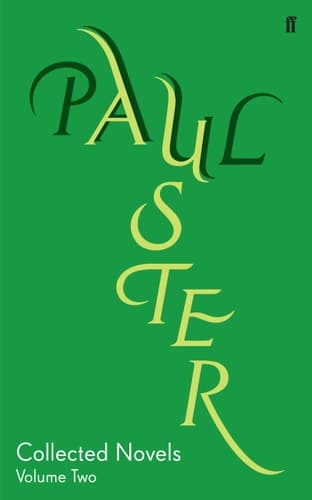
In The Music of Chance, the story of Jim Nashe and Jack Pozzi, Auster evokes the strong European influences of Samuel Beckett and Franz Kafka in a brilliant and unsettling parable of loss and gambling. In Leviathan, he makes perhaps his most direct attempt at exploring the political reality of contemporary American life, through the figure of Peter Aaron and his challenge to the complacency of modern life. Finally, in Mr Vertigo Auster crafts a cautionary tale of greed and exploitation in the story of Walt, the irrepressible orphan from the Mid-West, who learns the art of levitation under the tutelage of Master Yehudi.
Highly varied, yet instantly recognisable as the work of the same storyteller, these three novels form the next chapter in the ongoing career of one of America's most enduring and fascinating writers.
'Paul Auster is one of those sages with confounding talent - confounding for one because he's simply that good . . . He belongs among Vonnegut, Roth, and DeLillo . . .' Claire Howorth
'Auster truly is a master of his art.' Harper's Bazaar
Recommendations
Generating recommendations…
Our AI is preparing recommendations for The Music of Chance. This usually takes under a minute.
About Paul Auster
P
Paul Auster
1947–2024
Paul Benjamin Auster (February 3, 1947 – April 30, 2024) was an American writer, novelist, memoirist, poet, and filmmaker. His notable works include *The New York Trilogy* (1987), *Moon Palace* (1989), *The Music of Chance* (1990), *The Book of Illusions* (2002), *The Brooklyn Follies* (2005), *Invisible* (2009), *Sunset Park* (2010), *Winter Journal* (2012), and *4 3 2 1* (2017). His books have been translated into more than 40 languages.
View author page