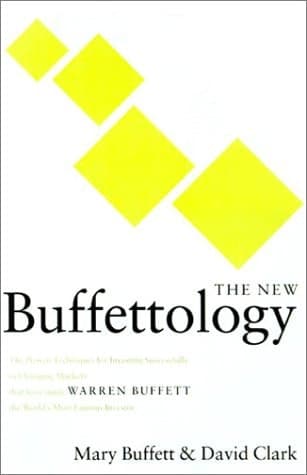
The New Buffettology How Warren Buffett Got and Stayed Rich in Markets Like This and How You Can Too!
Mary BuffettPublished2002
Pages288
Formathardcover
PublisherScribner
Synopsis
If you read the original Buffettology, you only know half of what you need to effectively apply Warren Buffett's investment strategies.
Published in 1997, the bestselling Buffettology was written specifically for investors in the midst of a long bull market. Since then we've seen the internet bubble burst, the collapse of Enron, and investors scrambling to move their assets—what remains of them—back to the safety of traditional blue chip companies. As price peaks turned into troughs, worried investors wondered if there was any constant in today's volatile market. The answer is yes: Warren Buffett's value investing strategies make money.
The New Buffettology is the first guide to Warren Buffett's selective contrarian investment strategy for exploiting down stocks—a strategy that has made him the nation's second-richest person. Designed to teach investors how to decipher and use financial information the way Buffett himself does, this book guides investors through opportunity-rich bear markets, walking them step-by-step through the equations and formulas Buffett uses to determine what to buy, what to sell—and when. Authors Mary Buffett and David Clark explore Buffett's recent investments in detail, proving time and again that his strategy has earned enormous profits at a time no one expects them to—and with almost zero risk to his capital.
In short, The New Buffettology is an essential companion to the original Buffettology, a road map to investment success in the worst of times.
Recommendations

Ma, He Sold Me for a Few Cigarettes A Heart-rending Memoir that Will Both Horrify and Inspire
by Martha Long
Lynch spent decades beating the market at Fidelity using a philosophy that's almost the inverse of Buffett's—he hunted for overlooked small-caps rather than blue chips—but both men share that same obsessive attention to financial statements and refusal to follow the crowd. Where Buffett teaches you to think like a business owner, Lynch teaches you to think like a detective, and reading them back-to-back gives you two complementary lenses for the same fundamental skill: seeing what others miss in the numbers.
View book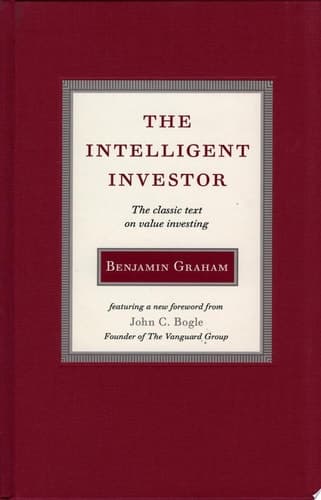
intelligent investor The Classic Text on Value Investing
by Benjamin Graham
This is the book that shaped Buffett himself—Graham was his mentor—but it's worth reading now because you'll recognize his fingerprints all over the strategies Mary Buffett describes. Graham writes from the 1940s-50s with a clarity that feels almost austere compared to modern finance writing, and there's something grounding about returning to the source material to see how the principles were originally conceived before they became systematized into formulas.
View book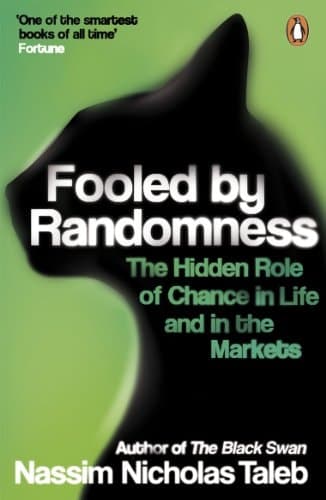
Fooled by Randomness The Hidden Role of Chance in Life and in the Markets
by Nassim Nicholas Taleb
Here's the productive counterargument to everything you just read: Taleb argues that much of what we attribute to skill in investing is actually just luck, and that past performance tells us almost nothing about future results. It's not that he thinks Buffett is wrong—it's that he thinks we're terrible at distinguishing between someone who's genuinely brilliant and someone who simply got lucky during a favorable stretch. Reading this alongside Buffettology forces you to think critically about survivorship bias and whether the strategies you're learning about are repeatable or just historically contingent.
View book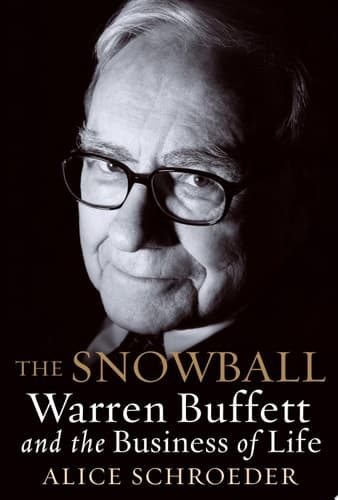
The Snowball Warren Buffett and the Business of Life
by Alice Schroeder
You've learned Buffett's *methods*, but Schroeder's authorized biography shows you his *mind*—the psychology behind why he thinks the way he does, how his childhood shaped his relationship with money, and the specific moments when he made his biggest leaps in understanding. It's a different kind of instruction manual: instead of teaching you equations, it teaches you how Buffett's brain actually works, which might be more valuable than any formula.
View bookAbout Mary Buffett
Biography coming soon.
View author page