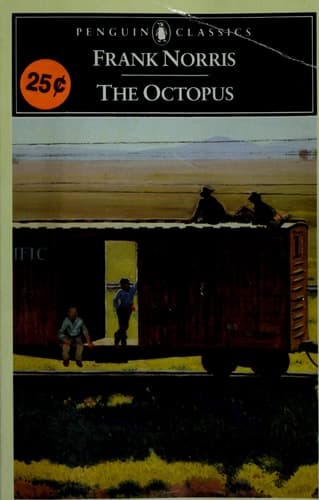
The Octopus: A Story of California
Frank NorrisPublished1986
Pages688
Formatpaperback
PublisherPenguin Classics
Synopsis
Based on an actual bloody dispute between wheat farmers and the Southern Pacific Railroad in 1880, this novel depicts the dying days of the western frontier of America.
Recommendations
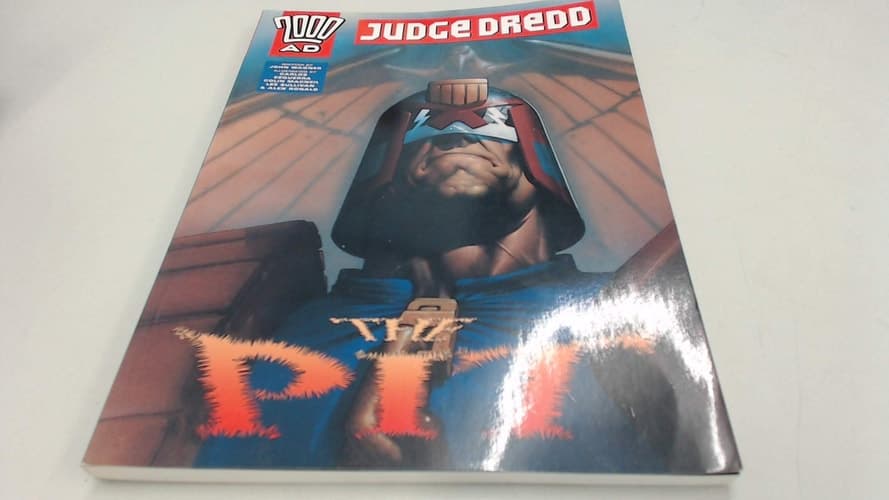
The Pit
by John Wagner
Sinclair was Norris's contemporary and shared his fascination with how ordinary people get crushed by massive economic forces—here it's wheat speculation on the Chicago Board of Trade rather than railroad monopolies. You'll recognize that same unflinching documentary style and the way both authors treat their settings as characters with their own terrible logic.
View book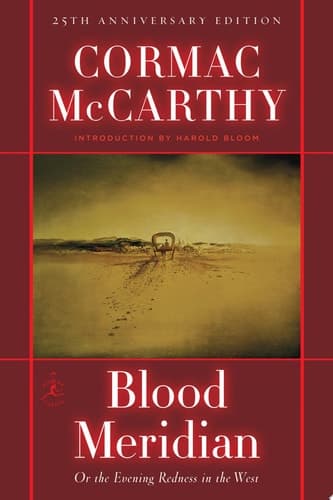
Blood Meridian, Or, The Evening Redness in the West
by Cormac McCarthy
McCarthy takes the dying frontier you loved in Norris and strips away the social realism to show something more mythic and brutal—the same historical moment, but filtered through a consciousness that sees the West as fundamentally violent and doomed. Both novels refuse to sentimentalize the frontier, but McCarthy goes further into the philosophical darkness beneath.
View book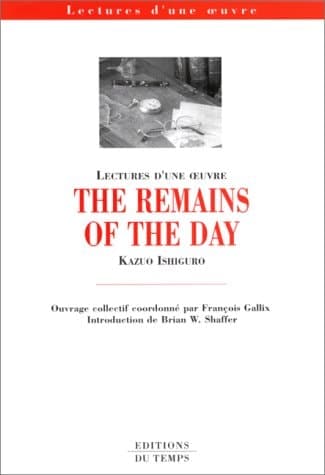
The remains of the day de Kazuo Ishiguro
by Gallix/François
This might seem like a departure, but stay with me: Ishiguro does something Norris also does brilliantly—he shows how individuals rationalize their complicity in larger systems of power. Where Norris depicts farmers caught between railroad monopolies, Ishiguro shows a butler who's enabled fascism through his devotion to duty. Both novels are about how people convince themselves they're powerless when they're actually choosing.
View book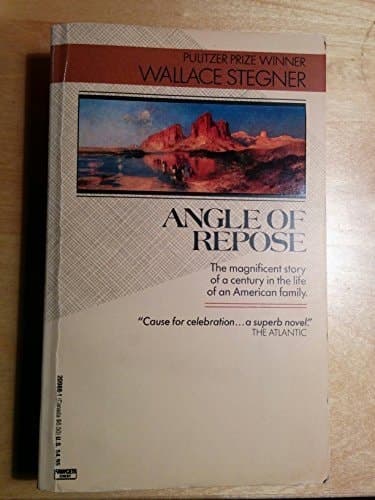
Angle of Repose
by Wallace Earle Stegner
Stegner was obsessed with the same California landscape and the same era of western development that Norris captured, but he approaches it through a modern narrator excavating family history. You get that immersive sense of place and the tension between individual ambition and historical forces, but filtered through memory and doubt in a way that feels more contemporary.
View book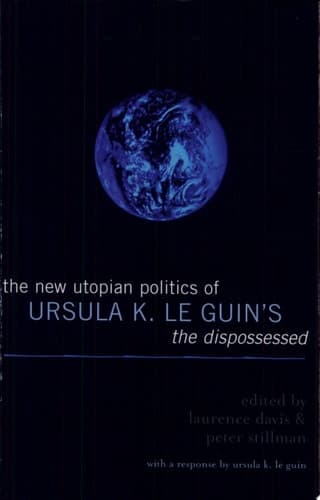
The New Utopian Politics of Ursula K. Le Guin's The Dispossessed
by Laurence Davis
Here's your surprise: Le Guin uses science fiction to explore exactly what Norris was investigating—the collision between different economic systems and how power actually works. The railroad barons vs. farmers conflict becomes a thought experiment about capitalism vs. anarchism played out on two planets. It has that same unflinching look at how systems grind people, just with more oxygen.
View bookAbout Frank Norris
F
Frank Norris
1870–1902
Frank Norris, (1870-1902), was an American novelist and journalist and a leader of the Naturalism movement. Norris believed that a novel should serve a moral purpose. "The novel with a purpose," he explained, "brings the tragedies and griefs of others to notice" and "prove(s) that injustice, crime, and inequality do exist." [Source][1] [1]: http://www.pbs.org/wnet/americannovel/timeline/norris.html
View author page