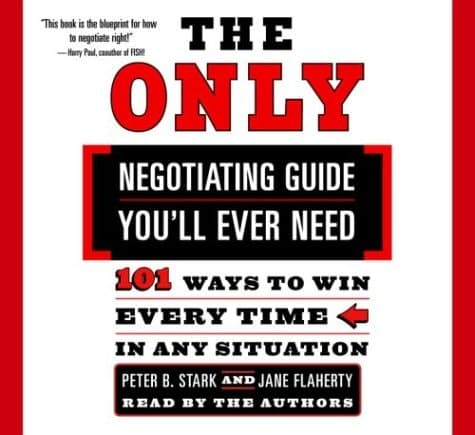
The Only Negotiating Guide You'll Ever Need: 101 Ways to Win Every Time in Any Situation
Peter B. StarkPublished2004
Formataudiobook
PublisherRandom House Audio
Synopsis
The Essential Guide to the Power of Persuasion
In The Only Negotiating Guide You’ll Ever Need, Peter Stark and Jane Flaherty, celebrated consultants to some of the country’s top companies, take the dread out of persuasion. Their 101 Winning Tactics make powerful negotiating skills easy and accessible, giving you tools and knowledge you can put to use right away. Each tactic is on a single page, with a clever and memorable name, a true-to-life example of how to use it, and suggested counter tactics in case someone tries it on you. All 101 tactics are so accessible and empowering that you will find yourself using them immediately--and maybe not just at work.
From the Trade Paperback edition.
Recommendations

Never Spit on Your Shoes
by Denys Cazet
Voss takes the tactical playbook you've just mastered and adds the psychological depth underneath—his approach to tactical empathy and active listening transforms negotiation from a game of moves into a genuine conversation. Where Stark gives you 101 tools, Voss shows you why those tools actually work in the human brain, drawing from his FBI hostage negotiation experience to reveal what's really happening beneath the surface of any interaction.
View book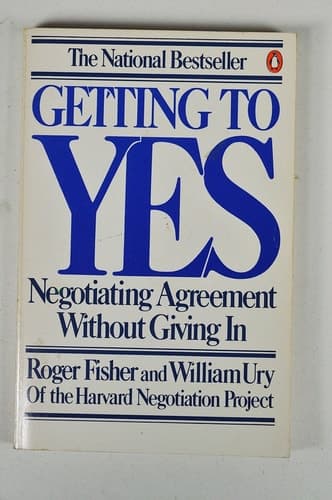
Getting to Yes Negotiating Agreement Without Giving in
by Roger Fisher
This is the foundational text that shaped modern negotiation thinking, and it approaches the problem from the opposite angle than Stark—instead of 101 tactics to win, Fisher asks what 'winning' actually means when both parties leave satisfied. Published in 1981, it'll give you historical context for why the tactical approaches you just learned became standard, plus introduce you to the concept of 'principled negotiation' that still influences corporate strategy today.
View book
Thinking Past Terror Islamism and Critical Theory on the Left
by Susan Buck-Morss
Here's the cognitive science that explains *why* people make the decisions they do in negotiations—Kahneman's exploration of cognitive biases and heuristics reveals the psychological shortcuts your counterpart is using (often without realizing it). It's a departure from pure negotiation tactics, but understanding anchoring bias, loss aversion, and framing effects will make you devastatingly effective because you'll know what's actually driving the other person's behavior.
View book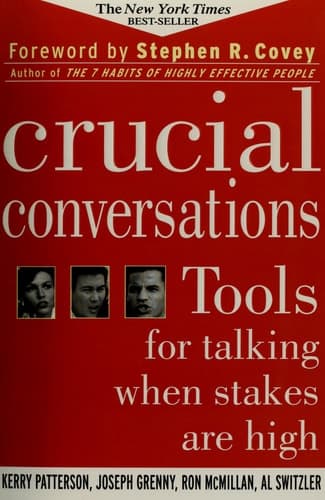
Crucial Conversations Tools for Talking when Stakes are High
by Kerry Patterson
Patterson focuses on the conversations that matter most—the ones where emotions run high and the stakes feel personal—which is where Stark's tactics can actually backfire if you don't understand the relational dynamics. You'll learn how to move from positional bargaining into genuine dialogue, especially useful for those negotiations where you need an ongoing relationship after the deal closes.
View book
Trump The Art of the Deal
by Donald J. Trump
A memoir-meets-business-philosophy that reads almost like a narrative counterpoint to Stark's systematic approach—Trump walks you through actual deal-making scenarios with his particular style of aggressive positioning and leverage-finding. It's unpolished compared to your structured guide, but watching someone apply negotiation principles in real estate, casinos, and entertainment deals shows you how tactics adapt to wildly different contexts, and where the 'rules' get bent by someone with significant power.
View bookAbout Peter B. Stark
Biography coming soon.
View author page