Synopsis
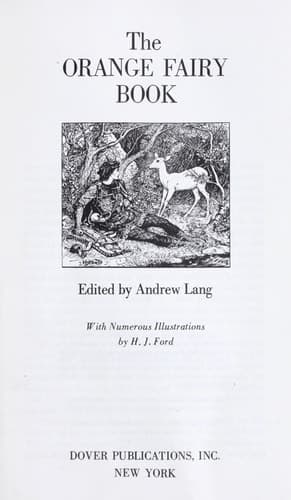
"The Orange Fairy Book" delves into the oral traditions of Rhodesia, Uganda, and the American Indian; the traditions of the Punjab and of Jutland; and such familiar European sources of Hans Christian Andersen ( "The Ugly Duckling" ) and Madam d'Aulnoy ( "The White Doe" ) for its 33 stories. But it is not important that the lad climbing the tree to a cloud kingdom is an Indian brave rather than Jack, or that the giant-killer Makoma is African. The events are familiar favorites with children the world over.
Recommendations
The Blue Fairy Book
by Andrew Lang
Wait—I know Lang is your author, but hear me out: you've finished one volume of his color fairy books, and the others are genuinely different in their source material and flavor. The Blue collection leans harder into European folklore with a different selection of tales, so it's like discovering a new wing of the same library rather than starting over completely.
View book
The Phantom Tollbooth
by Norton Juster
Juster does something Lang does beautifully—he trusts that children can navigate between the literal and the magical without explanation. Where Lang's tales move matter-of-factly between cloud kingdoms and ordinary villages, Juster's protagonist drives through a tollbooth into the Kingdom of Wisdom, and both authors treat the impossible as simply *what happens next*. The wordplay and logic puzzles also echo that fairy-tale economy where cleverness matters more than strength.
View book
Anansi Boys
by Neil Gaiman
This one's my surprise pick for you: it's a contemporary novel, not a fairy tale collection, but Gaiman structures it around West African trickster folklore the way Lang does—the Anansi spider stories are woven through as living tradition, not museum pieces. You'll recognize that same respect for oral narrative, where the story *itself* is the magic, and where a character's cleverness and storytelling ability matter as much as any sword.
View book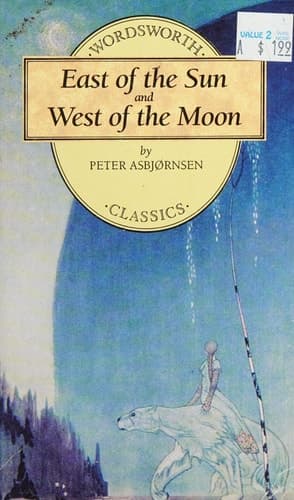
East of the Sun and West of the Moon
by Peter Christen Asbjørnsen
Here's a Scandinavian fairy tale collection from the 1840s—so you're stepping back a century from Lang's 1968 publication—that has that same quality of inevitability. A girl must travel to the end of the world; a troll's daughter becomes human; magic operates by its own rules, and characters simply *do* what must be done. Lang actually drew from Asbjørnsen himself, so this is like meeting one of his sources directly.
View book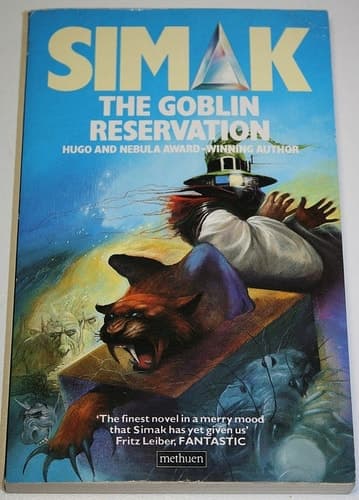
The Goblin Reservation
by Clifford D. Simak
A science fiction novel where a university maintains a reservation for creatures from folklore and mythology—goblins, elves, dinosaurs, all coexisting in a near-future world. Simak treats magical beings with the same matter-of-fact acceptance Lang does, and the plot unfolds through encounters with different creatures and their cultures, much like moving from one fairy tale to another. It's a sly, gentle book that asks: what if all these stories were real, and we had to figure out how to live alongside them?
View bookAbout Andrew Lang
Biography coming soon.
View author page