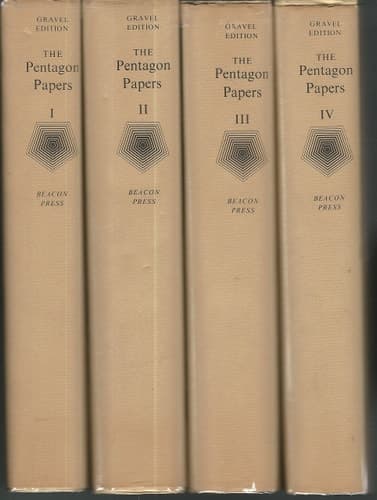
The Pentagon Papers The Defense Department History of United States Decisionmaking on Vietnam
Senator Mike. Gravel (ed)Published1971
Pages2899
Formathardcover
PublisherBeacon Press
Synopsis
Late in June 1971, when the Federal Government had succeeded in delaying the publication of even newspaper synopses and brief excerpts from the secret Pentagon Papers, Senator Mike Gravel convened a special meeting of his Subcommittee on Public Buildings and Grounds. The Senator had recently received 4,100 pages of the Papers, and on the night of June 29, at that extraordinary meeting, he entered them into the official record of the subcommittee.
That record is published here for the first time, in order that the American public can have access to the full story of American involvement in Vietnam from early 1940s to March of 1968.
Recommendations

The Best and the Brightest
by David Halberstam
Halberstam does what Gravel's Pentagon Papers demand—he names names and traces how brilliant people made catastrophic decisions about Vietnam. Where the Papers give you the documentary evidence, Halberstam gives you the human psychology behind those decisions, interviewing the architects of the war and showing you exactly how groupthink calcified into policy.
View book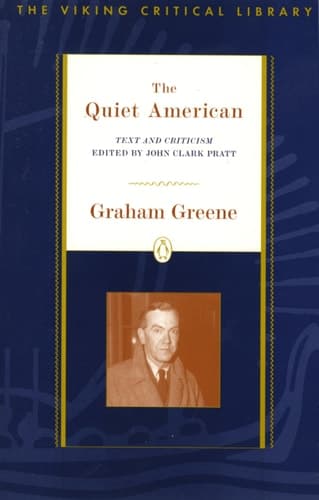
The Quiet American
by Graham Greene
Here's your surprise pick: Greene's 1955 novel predicted the Pentagon Papers before they existed. He captures the moral ambiguity and self-deception of American intervention in Indochina through a narrator who watches it happen, making the abstract policy decisions from the Papers feel like lived experience. It's fiction, but it reads like prophecy.
View book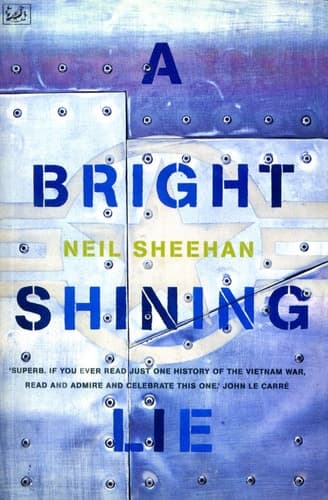
A Bright Shining Lie John Paul Vann and America in Vietnam
by Neil Sheehan
Sheehan was one of the journalists who broke the Pentagon Papers story, and this biography uses declassified documents and interviews to follow one man's journey from true believer to disillusioned whistleblower within the war machine. It's the human-scale version of what you've just read—showing how individuals navigated the gap between official truth and reality.
View book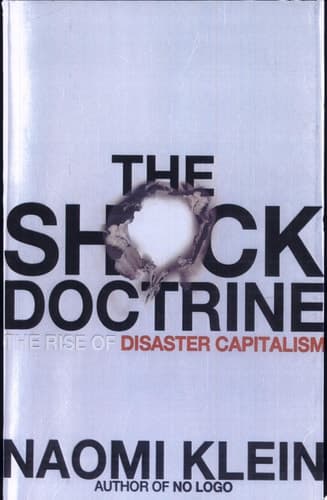
The Shock Doctrine The Rise of Disaster Capitalism
by Naomi Klein
Klein applies the same forensic accountability you just experienced with Vietnam to post-Cold War interventions—showing how declassified documents, leaked cables, and government records reveal a pattern of using crises to impose economic policies. She writes with the same documentary rigor as Gravel, but extends the timeline forward to show what happened after 1968.
View book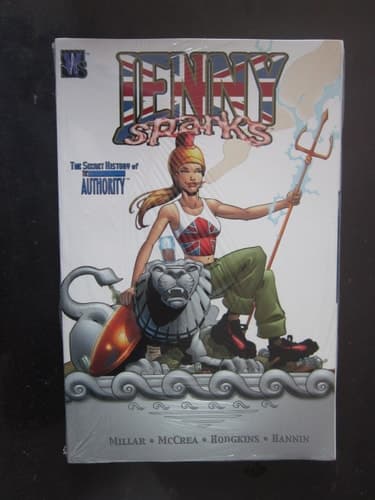
Jenny Sparks The Secret History of The Authority
by Mark Millar
This might seem like a left turn, but Lepore does something similar to what Gravel accomplished—she excavates suppressed archives and forgotten documents to tell a hidden American story that institutions preferred to keep quiet. It's about how narratives get constructed and controlled, which is exactly what the Pentagon Papers exposed, just applied to popular culture instead of foreign policy.
View bookAbout Senator Mike. Gravel (ed)
Biography coming soon.
View author page