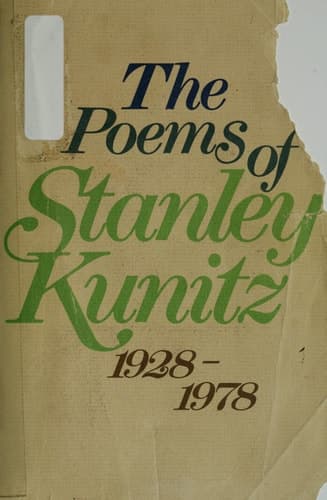
The Poems of Stanley Kunitz, 1928-1978
Stanley KunitzPublished1979
Pages249
Formatpaperback
PublisherLittle, Brown
Synopsis
Introducing twenty new poems and bringing together works from previous volumes, this collection of 150 poems, arranged in reverse chronological order, represents a half century of work by the distinguished contemporary poet
Recommendations

The Wild Iris
by Louise Glück
Glück shares Kunitz's gift for distilling profound emotional and philosophical truths into deceptively spare language, but where Kunitz often builds through narrative accumulation, she achieves her effects through radical compression. Both poets use nature imagery as a gateway to examining mortality and transformation, though Glück's flower-speaker voices create an almost mythic distance that gives her meditations an eerie, timeless quality.
View book
The Book of Disquiet
by Fernando Pessoa
This is a surprise recommendation, but hear me out: like Kunitz's retrospective arrangement of poems across decades, Pessoa's fragmented prose-poem diary creates meaning through juxtaposition and accumulated reflection rather than linear narrative. Both works grapple with identity, time, and the act of witnessing one's own life, but Pessoa approaches it through philosophical fragmentation and multiple selves, offering a different meditation on the same existential territory.
View book
A Closer Look at Ariel A Memory of Sylvia Plath
by Nancy Hunter Steiner
Both Kunitz and Plath write with an unflinching intensity about suffering and transformation, but where Kunitz often achieves catharsis through hard-won wisdom, Plath's poems crackle with urgent, almost violent energy. The visceral imagery and psychological precision you'll find here—the way she makes internal states feel physically present—offers a generational counterpoint to Kunitz's more measured, though equally powerful, explorations of the self.
View book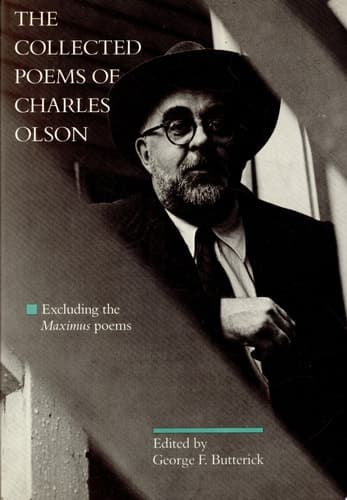
The Collected Poems of Charles Olson Excluding the Maximus Poems
by Charles Olson
Olson's epic sequence shares Kunitz's commitment to the long poem as a vehicle for accumulated wisdom, but Olson anchors his meditations in a specific place (Gloucester, Massachusetts) and its history, creating a geography of consciousness. If you appreciated how Kunitz's retrospective arrangement creates dialogue between different periods of his life, you'll find Olson doing something similar across American history and personal memory, though with a more explicitly political and historical consciousness.
View book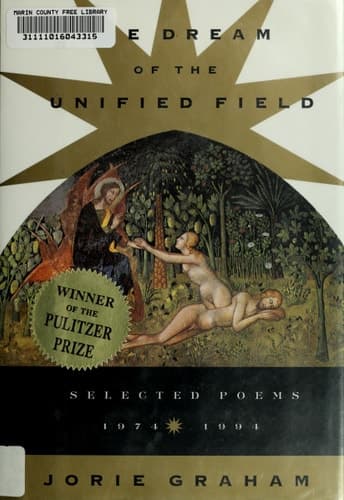
Dream Of The Unified Field
by Jorie Graham
Graham's work represents a later generation's engagement with the modernist tradition Kunitz inherited, and she shares his interest in how consciousness moves through time and language. Her poems have a restless, almost anxious quality—syntax that breaks and reforms—which creates a different kind of intensity than Kunitz's more classical control, yet both poets are fundamentally concerned with how we know and articulate what we've lived through.
View bookAbout Stanley Kunitz
S
Stanley Kunitz
1905–2006
Biography coming soon.
View author page