Synopsis
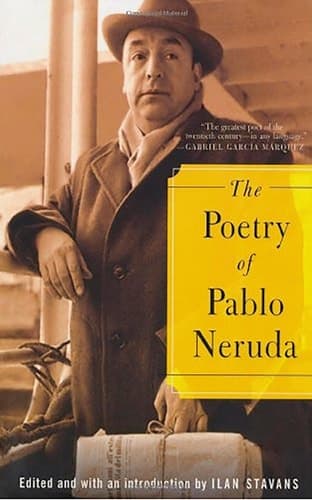
The Poetry of Pablo Neruda offers the most comprehensive English-language collection ever by "the greatest poet of the twentieth century--in any language" (Gabriel García Márquez).
"In his work a continent awakens to consciousness." So wrote the Swedish Academy in awarding the Nobel Prize to Pablo Neruda, the author of more than thirty-five books of poetry and one of Latin America's most revered writers, lionized during his lifetime as "the people's poet."
This selection of Neruda's poetry, the most comprehensive single volume available in English, presents nearly six hundred poems, scores of them in new and sometimes multiple translations, and many accompanied by the Spanish original. In his introduction, Ilan Stavans situates Neruda in his native milieu as well as in a contemporary English-language one, and a group of new translations by leading poets testifies to Neruda's enduring, vibrant legacy among English-speaking writers and readers today.
Recommendations
Generating recommendations…
Our AI is preparing recommendations for The Poetry of Pablo Neruda. This usually takes under a minute.
About Pablo Neruda
P
Pablo Neruda
1904–1973
Ricardo Eliécer Neftalí Reyes Basoalto (12 July 1904 – 23 September 1973), better known by his pen name and, later, legal name Pablo Neruda (/nəˈruːdə/; Spanish: [ˈpaβlo neˈɾuða]), was a Chilean poet-diplomat and politician who won the 1971 Nobel Prize in Literature. Neruda became known as a poet when he was 13 years old, and wrote in a variety of styles, including surrealist poems, historical epics, overtly political manifestos, a prose autobiography, and passionate love poems such as the ones in his collection Twenty Love Poems and a Song of Despair (1924). [source](https://en.wikipedia.org/wiki/Pablo_Neruda)
View author page