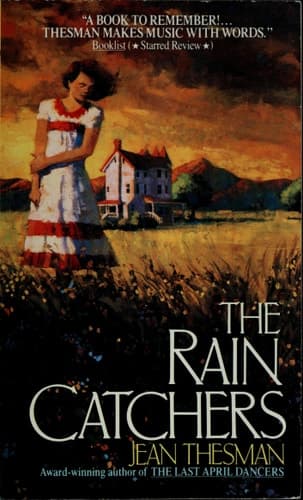
Synopsis
Beyond YesterdayEvery story should have a beginning, a middle, and an end. That's the way it is at grandmother's house where tea is served each day at four and tales of death and divorce, illness and abandonment are shared by grandmother's circle of friends. The women watch over one another and eveyone watches over Grayling -- whose own story has never been told her to hear.
But in a summer of many changes, fourteen-year-old Grayling encounters love and romance, joy and saddness...and the need to know her own story -- from the very beginning.
Recommendations
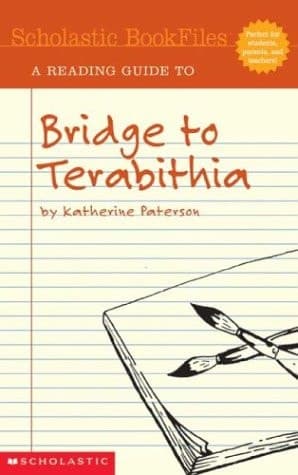
A Reading Guide to Bridge to Terabithia by Katherine Paterson
by Jeannette Sanderson
Like Grayling, Jess must piece together his own identity while navigating the adults around him and a summer that transforms everything he thought he knew. Paterson has that same gift Thesman does for making interior emotional landscapes feel as real and textured as physical spaces—you're not just reading about a girl discovering herself, you're living inside her head.
View book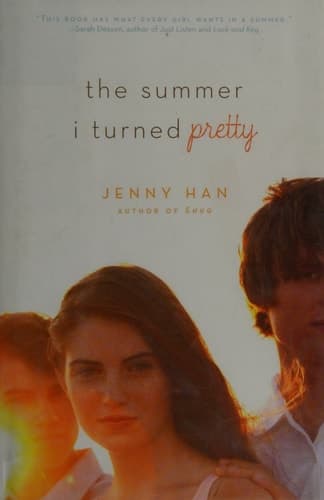
The Summer I Turned Pretty
by Jenny Han
This one's from 2009, so it gives you that different-era perspective while hitting similar emotional notes—a girl arriving at a threshold summer where romance, family secrets, and her own untold story all converge. Han captures that specific ache of adolescence where you're simultaneously discovering who you are and realizing the adults you've trusted have their own complicated histories.
View book
Olive Kitteridge Fiction
by Elizabeth Strout
Here's your surprise pick: it's technically adult literary fiction, but structurally it's built exactly like Thesman's grandmother's circle—interconnected stories of women (and men) in a small town, each carrying untold depths, each watching over one another. Strout writes with the same quiet intensity about how we're all shaped by the stories we don't tell, and how one person's background character is another person's entire world.
View book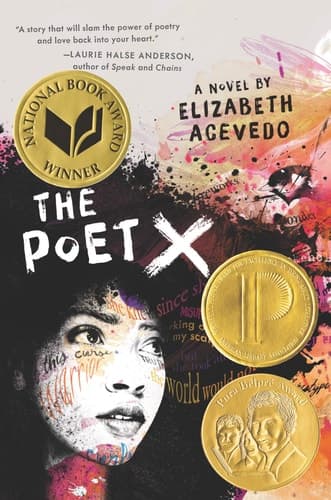
The Poet X
by Elizabeth Acevedo
Acevedo writes in verse, which might feel like a departure, but the emotional architecture is pure Thesman—a girl fighting to claim her own story against the weight of family history and expectation. The form actually amplifies what you loved about *The Rain Catchers*: that sense of language as something intimate and revelatory, where what's *not* said matters as much as what is.
View book
Call Me When You Reach Nirvana
by Liza Donnelly
On the surface it's a mystery, but what Stead is really doing—like Thesman—is showing how a girl gradually understands that the story she thought she was living isn't the whole story at all. There's that same quality of revelation, where pieces you didn't know mattered suddenly click into place, and you realize the adults around her have been protecting her from truths she needed to discover herself.
View bookAbout Jean Thesman
Biography coming soon.
View author page