Synopsis
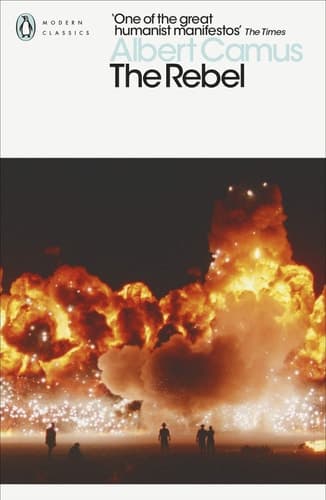
**The Rebel** (French: *L'Homme révolté*) is a 1951 book-length essay by Albert Camus, which treats both the metaphysical and the historical development of rebellion and revolution in societies, especially Western Europe.
Examining both rebellion and revolt, which may be seen as the same phenomenon in personal and social frames, Camus examines several' countercultural' figures and movements from the history of Western thought and art, noting the importance of each in the overall development of revolutionary thought and philosophy. He analyses the decreasing social importance of the king, god and of virtue and the development of nihilism. It can be seen as a sequel to The Myth of Sisyphus, where he ponders the meaning of life, because it answers the same question, but offers an alternative solution.
(Source: Wikipedia)
Recommendations
Generating recommendations…
Our AI is preparing recommendations for The Rebel. This usually takes under a minute.
About Albert Camus
Albert Camus
1913–1960
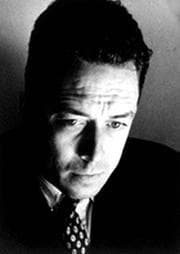
Albert Camus was a French Algerian author, philosopher, and journalist who was awarded the Nobel Prize for Literature in 1957. He was a key philosopher of the 20th-century and his most famous work is the novel *L'Étranger* (*The Stranger*). In 1949, Camus founded the Group for International Liaisons within the Revolutionary Union Movement, which was a group opposed to some tendencies of the surrealistic movement of André Breton. Camus was the second-youngest recipient of the Nobel Prize for Literature - after Rudyard Kipling - when he became the first African-born writer to receive the award. He is the shortest-lived of any literature laureate to date, having died in an automobile accident just over two years after receiving the award. He is often cited as a proponent of existentialism, the philosophy that he was associated with during his own lifetime, but Camus himself rejected this particular label. In an interview in 1945, Camus rejected any ideological associations: "No, I am not an existentialist. Sartre and I are always surprised to see our names linked…"
View author page