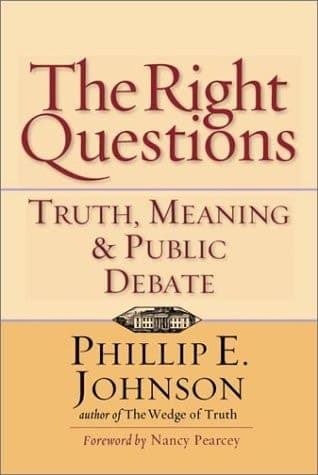
The Right Questions Truth, Meaning & Public Debate
Phillip E. JohnsonPublished2002
Pages191
Formathardcover
PublisherInterVarsity Press
Synopsis
Provocative, personal, persuasive, an prophetic, this volume is a call to educators and leaders to allow truly free and open public debate within the church.
Recommendations
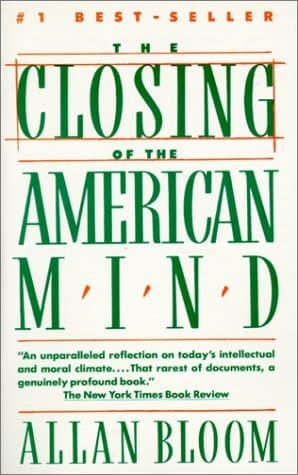
Closing of the American Mind
by Allan Bloom
Bloom shares Johnson's concern about intellectual rigor in educational institutions, but approaches it through cultural criticism rather than theology—he's asking similar questions about what we're teaching and why, just from a secular humanist angle. Both authors write with that same prophetic urgency about the stakes of public discourse, though they'd likely disagree on solutions.
View book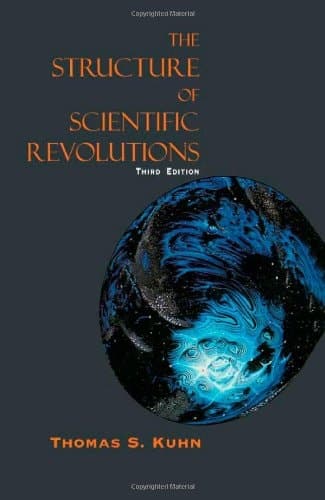
The Structure of Scientific Revolutions
by Thomas S. Kuhn
Here's the surprise pick: Kuhn's 1962 work fundamentally challenges how we think about truth and consensus in any field—including theology and public discourse. Johnson's argument about allowing genuine debate rather than enforcing orthodoxy finds an unexpected ally in Kuhn's analysis of how paradigm shifts actually happen, and how institutions resist them.
View book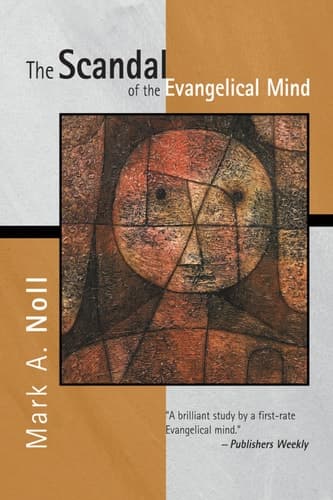
The Scandal of the Evangelical Mind
by Mark A. Noll
Noll diagnoses a specific intellectual crisis within evangelicalism that Johnson's work is partly responding to—but Noll traces the historical roots of how American evangelicals came to distrust rigorous thinking. If you found Johnson's call for open debate compelling, Noll's historical investigation of why that debate became so difficult will deepen your understanding of the problem.
View book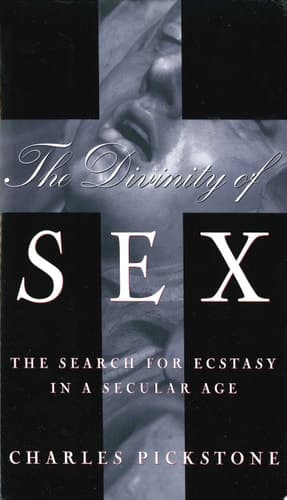
The Divinity of Sex The Search for Ecstasy in a Secular Age
by Charles Pickstone
Taylor's massive work examines how we got to a place where religious and secular worldviews talk past each other—he's essentially mapping the landscape where Johnson's call for genuine debate needs to happen. His sympathetic treatment of both religious and secular perspectives models the kind of intellectual charity Johnson is arguing for.
View book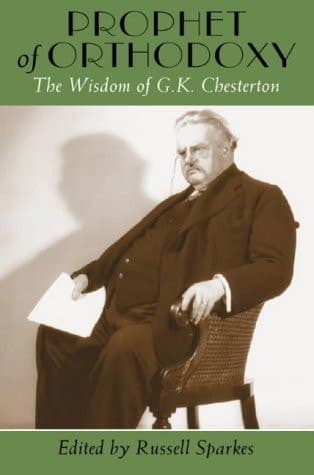
Prophet of Orthodoxy The Wisdom of G.K. Chesterton
by Gilbert Keith Chesterton
Chesterton's 1908 defense of Christian orthodoxy does something Johnson admires: it makes the case for traditional faith through rigorous argument and genuine engagement with objections, rather than dismissing them. The wit and intellectual playfulness here shows that defending your position and welcoming real debate aren't opposites—they're partners.
View bookAbout Phillip E. Johnson
P
Phillip E. Johnson
Born 1940
Biography coming soon.
View author page