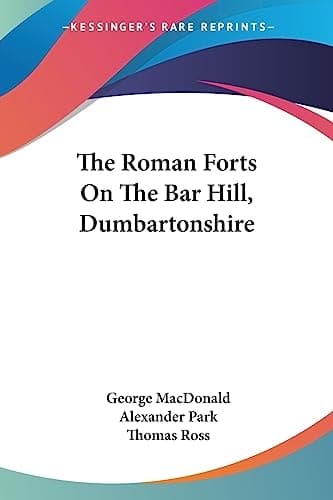
The Roman Forts On The Bar Hill, Dumbartonshire
George MacDonaldPublished2007
Pages164
Formatpaperback
PublisherKessinger Publishing, LLC
Synopsis
This scarce antiquarian book is a facsimile reprint of the original. Due to its age, it may contain imperfections such as marks, notations, marginalia and flawed pages. Because we believe this work is culturally important, we have made it available as part of our commitment for protecting, preserving, and promoting the world's literature in affordable, high quality, modern editions that are true to the original work.
Recommendations

Behind the Walls A Guide for Families and Friends of Texas Prison Inmates
by Jorge Antonio Renaud
Since you've clearly got an appetite for the granular archaeological detail of Roman Britain, Breeze's treatment of the Antonine Wall (that northern frontier system Bar Hill was part of) goes deeper into the engineering, logistics, and military strategy that made these installations work. He writes with the same meticulous attention to artifact and inscription that MacDonald brings to Bar Hill, but adds layers of interpretation about what these forts meant to Rome's imperial ambitions.
View book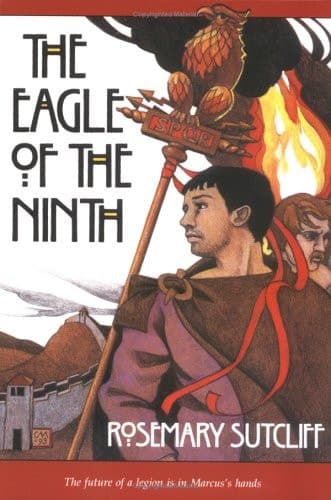
The Eagle of the Ninth
by Rosemary Sutcliff
Here's your surprise pick: a novel rather than straight archaeology, but Sutcliff was a meticulous historical researcher who spent years studying Roman Britain before writing this. The story hinges on the very real mystery of the Ninth Legion's disappearance, and she captures the texture of life in Roman forts with the same archaeological precision you've just been reading about—except she lets you *feel* what it was like to be stationed in that damp, dangerous northern frontier.
View book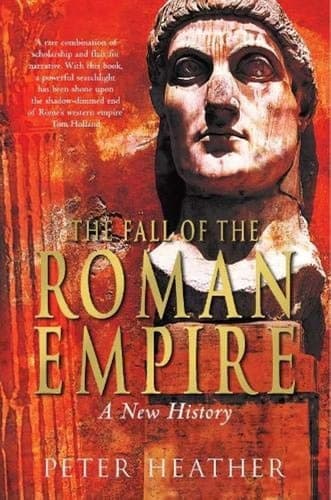
The Fall of the Roman Empire A New History of Rome and the Barbarians
by Peter Heather
This shifts your perspective from the Roman side of the fortification to the broader contact zone—what was happening on the other side of Bar Hill's walls, and why Rome felt compelled to build such extensive defensive infrastructure in Scotland. Cosgrove examines the archaeological and textual evidence for the peoples Rome was trying to contain, giving you the fuller picture of what those stones were actually defending against.
View book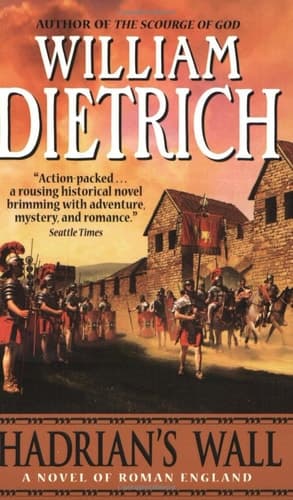
Hadrian's Wall A Novel
by William Dietrich
Goldsworthy is a military historian who writes with real narrative flair—this isn't dry antiquarianism but rather an account of how and why Rome built its most famous British frontier, with careful attention to the archaeological evidence and what it tells us about Roman strategic thinking. The methodological approach mirrors MacDonald's work, but Goldsworthy contextualizes it within the broader sweep of Roman imperial policy across three centuries.
View book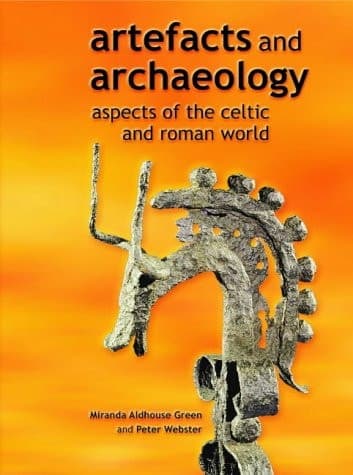
Artefacts and Archaeology: Aspects of the Celtic and Roman World
by Miranda Aldhouse-Green
Green takes you beyond individual sites to show how archaeologists piece together the whole picture of Roman occupation—how finds like those from Bar Hill connect to trade networks, settlement patterns, and cultural change across the province. If you enjoyed the detective work of reading MacDonald's careful analysis of a single fort, Green shows you how that work fits into the larger archaeological narrative of Roman Britain.
View bookAbout George MacDonald
Biography coming soon.
View author page