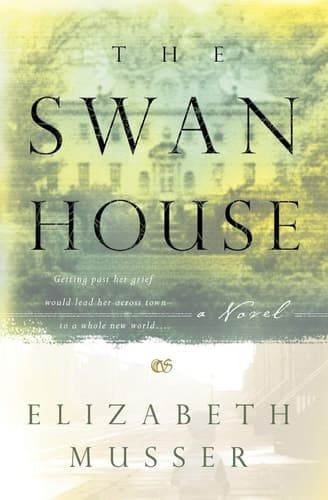
The Swan House A Novel
Elizabeth MusserPublished2001
Pages448
Formatpaperback
PublisherBaker Publishing Group
Synopsis
Mary Swan Middleton has always taken for granted the advantages of her family's wealth. But a tragedy that touches all of Atlanta sends her reeling in grief. When the family maid challenges her to reach out to the less fortunate as a way to ease her own pain, Mary Swan meets Carl -- and everything changes. For although Carl is her opposite in nearly every way, he has something her privileged life could not give her. And when she seeks his help to uncover a mystery, she learns far more than she ever could have imagined.
Recommendations
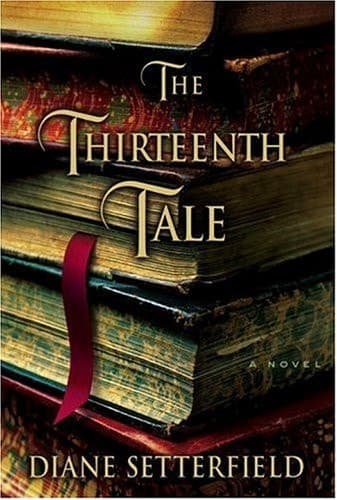
The Thirteenth Tale
by Diane Setterfield
Like Mary Swan, your narrator here is someone who discovers that crossing social boundaries—in this case, entering a reclusive author's world—becomes a doorway to understanding grief and family secrets. Setterfield layers mystery with emotional excavation the way Musser does, where the real discovery isn't just solving a puzzle but understanding what it costs to do so.
View book
Books... the Quietest and Most Constant of Friends Book Lovers Quotations
by Helen Exley
This one reaches back to 1875 Louisiana to explore what happens when people from opposite sides of a racial and economic divide must work together—and Wingate interweaves that historical narrative with a contemporary thread that echoes Mary Swan's journey of reckoning. It's got that same architecture of privilege meeting reality, but set against the aftermath of slavery rather than mid-century Atlanta.
View book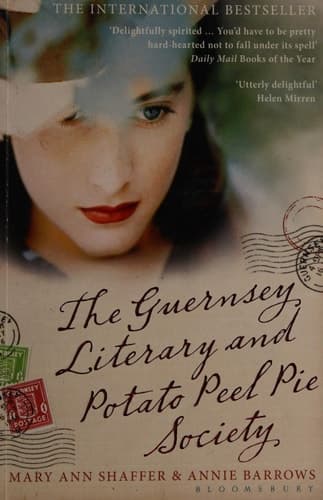
The Guernsey Literary and Potato Peel Pie Society By Mary Ann Shaffer, Annie Barrows
by Author
A surprise pick, but hear me out: this novel-in-letters has that same warmth and gradual revelation of character that Musser excels at, but it's told entirely through correspondence. A writer from London discovers a community shaped by WWII occupation, and like Mary Swan's awakening, she finds that stepping into someone else's world—their stories, their losses—changes her fundamentally. It's gentler than The Swan House but equally transformative.
View book
The Dovekeepers A Novel
by Alice Hoffman
Hoffman takes the emotional archaeology you loved in The Swan House and sets it in 73 AD at Masada, telling the story of two women whose lives intersect during siege. What connects them is Hoffman's gift for showing how privilege and powerlessness coexist, and how connection across difference becomes an act of resistance—themes that run through Musser's work but here with historical stakes that feel almost mythic.
View book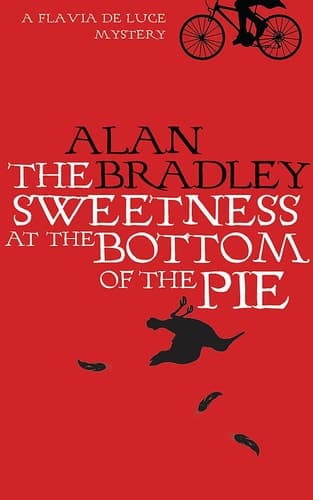
The Sweetness at the Bottom of the Pie
by Alan Bradley
This is the outlier—a mystery-thriller with an eleven-year-old protagonist in 1950s England—but Bradley does something Musser also does beautifully: he uses a young person's perspective to expose the hypocrisies and hidden sorrows of the adult world around them. The mystery unfolds through character revelation rather than plot mechanics, and there's that same sense of someone discovering uncomfortable truths that force them to grow up faster.
View bookAbout Elizabeth Musser
Biography coming soon.
View author page