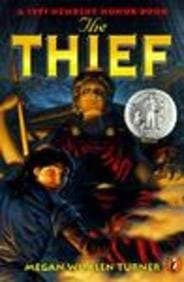
The Thief
Megan Whalen TurnerPublished1998
Pages219
FormatSchool & Library Binding
PublisherTandem Library
Synopsis
Because of his bragging -- and his great skill at thievery -- Gen lands in the King's Prison, shackled to the wall of his cell. After months of isolation, kept sane only by his sharp intelligence, Gen is released by none other than the King's Scholar, the Magus, who believes he knows the site of an ancient treasure. The Magus needs the best thief in the land to help him steal it, and that thief is Gen. To the Magus, Gen is simply a tool. But Gen is a survivor and a trickster -- and he has ideas of his own.
Recommendations
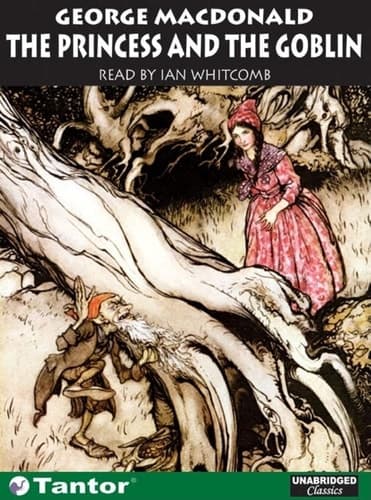
The Princess and the Goblin
by George MacDonald
Like Gen, your protagonist here is an outsider thrust into a position of power within an ornate court structure, but where Gen uses cunning and theft, Maia must navigate politics through unexpected kindness and genuine connection. Addison builds her world through dialogue and social interaction rather than exposition, so you'll experience the same pleasure of gradually understanding the rules of a complex society alongside a character who's equally lost.
View book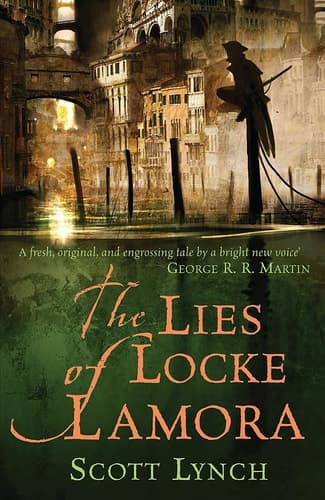
The Lies of Locke Lamora
by Scott Lynch
This one's the obvious cousin to The Thief, but Lynch takes the con-artist-thief premise and adds a layer of genuine found-family warmth that Turner hints at but doesn't fully explore. The heist plotting is intricate without being convoluted, and Lynch has that same gift for making you trust an unreliable narrator—you'll find yourself constantly reassessing what you actually know about the characters' motivations.
View book
Professionalism in Local Government: Transformations in the Roles, Responsibilities, and Values of City Managers (Jossey Bass Public Administration Series)
by John Nalbandian
Chakraborty writes with the same attention to power dynamics and hidden agendas that makes The Thief so compelling, but she's working in a richly detailed Islamic-inspired fantasy world where magic operates on strict rules you'll need to learn alongside the characters. Like Gen, your protagonists here are people operating from positions of relative powerlessness, using intelligence and observation to survive in systems designed to crush them.
View book
If on a Winter's Night a Traveler Introduction by Peter Washington
by Italo Calvino
This is the surprise recommendation—a 1979 metafictional novel that shares The Thief's obsession with unreliable narration and the reader's role in constructing meaning. Where Turner makes you question what Gen is really doing, Calvino makes you question what *you're* doing reading the book itself. It's playful rather than heavy-handed, and if you loved the trickster element of Gen's character, you'll appreciate how Calvino tricks the reader on nearly every page.
View bookAbout Megan Whalen Turner
Biography coming soon.
View author page