
Synopsis
This spellbinding novel narrates the many-layered recollections of a hallucinating man in devastated Beirut. The desolate, almost surreal, urban landscape is enriched by the unfolding of the family sagas of Niqula Mitri and his beloved Shamsa, the Kurdish maid. Mitri reminisces about his Egyptian mother and his father who came back to settle in Beirut after a long stay in Egypt. Both Mitri and his father are textile merchants and see the world through the code of cloth, from the intimacy of linen, velvet, and silk to the most impersonal of synthetics. Shamsa in turn relates her story, the myriad adventures of her parents and grandparents who moved from Iraqi Kurdistan to Beirut. Haunting scenes of pastoral Kurds are juxtaposed against the sedentary decadence of metropolitan residents. Barakat weaves into her sophisticated narrative shreds of scientific discourse about herbal plants and textile crafts, customs and manners of Arabs, Armenians, and Kurds, mythological figures from ancient Greece, Mesopotamia, Phoenicia, and Arabia, the theosophy of the African Dogons and the medieval Byzantines, and historical accounts of the Crusades in the Holy Land and the silk route to China.
Recommendations

The Apocalyptic Vision of Mikhail Bulgakov's the Master and Margarita (Studies in Slavic Language & Literature)
by Edward E. Ericson
Like Barakat's hallucinatory Beirut, Bulgakov constructs a narrative where reality fractures across multiple time periods and perspectives—here, Soviet Moscow bleeds into Pontius Pilate's Jerusalem. Both novels use this fractured structure not as mere stylistic flourish but to explore how memory, power, and displacement reshape our understanding of place and identity. The layered storytelling and mythological underpinnings will feel familiar, but Bulgakov's dark comedy offers a different emotional temperature.
View book
Tayeb Salih's "Season of Migration to the North": A Casebook
by Tayeb Salih
Salih shares Barakat's gift for weaving together personal memory with colonial history and cultural displacement, but he sets his mystery in Sudan rather than Lebanon. The unnamed narrator's investigation into a stranger's past mirrors how Mitri and Shamsa piece together their family histories, and Salih similarly uses the landscape—here, the Nile—as a character that holds generations of stories. Both authors treat the postcolonial Mediterranean and Middle East with the same poetic specificity.
View book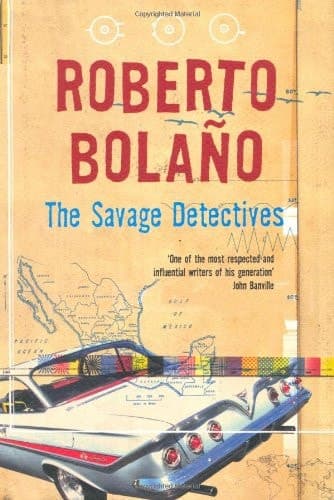
The Savage Detectives A Novel
by Roberto Bolaño
This is the surprise pick: where *The Tiller of Waters* is intimate and hallucinatory, Bolaño's sprawling novel is chaotic and encyclopedic, yet both share an obsession with cataloging culture—textiles and herbs in Barakat, literature and philosophy in Bolaño. The novel moves through Mexico City and the Americas the way Barakat moves through Beirut's layers, and both authors trust readers to find meaning in fragments, digressions, and the spaces between stories. It's longer and wilder, but the intellectual restlessness will resonate.
View book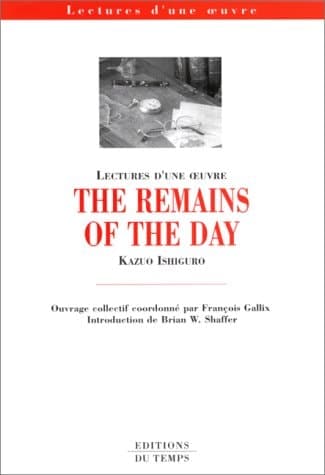
The remains of the day de Kazuo Ishiguro
by Gallix/François
Ishiguro's butler gradually reveals his past through a present-day journey, much as Mitri's hallucinations unlock family memory. Both novels are masterclasses in how unreliable narration—whether through mental illness or emotional repression—becomes the truest way to tell a story. The quiet precision of Ishiguro's prose and his attention to small domestic objects (like Barakat's textiles) as vessels for history will feel like coming home after *The Tiller of Waters*.
View bookAbout hoda barakat
Biography coming soon.
View author page