Synopsis
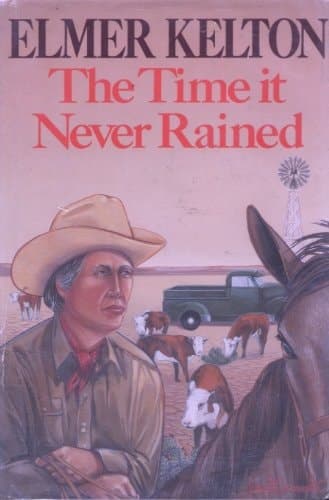
""The Time It Never Rained "was inspired by actual events, when the longest and most severe drought in living memory pressed ranchers and farmers to the outer limits of courage and endurance."--Elmer Kelton
"Rio"" Seco was too small to afford a professional manager for its one-room Chamber of Commerce."
And Rio Seco, meaning "dry river" in Spanish, symbolizes the biggest enemy of the ranchers and farmers in 1950s Texas, an enemy they can't control: drought. To cranky Charlie Flagg, an honest, decent rancher, the drought of the early 1950s is a battle that he must fight on his own grounds. Refusing the questionable "assistance" of federal aid programs and their bureaucratic regulations, Charlie and his family struggle to make the ranch survive until the time it rains again--"if" it ever rains again.
Charlie Flagg, among the strongest of Elmer Kelton's memorable creations, is no pasteboard hero. He is courageous and self-sufficient but as real as his harsh and unforgiving West Texas home country. His battle with an unfathomable foe is the stuff of epics and legends.
Recommendations
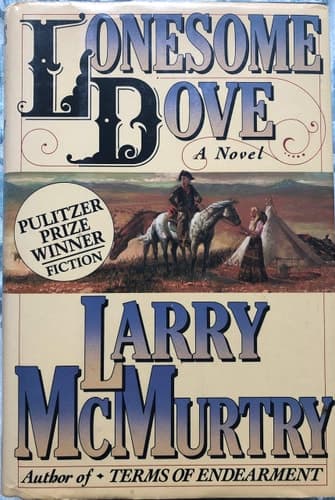
Lonesome Dove A Novel
by Larry McMurtry
McMurtry shares Kelton's gift for creating unflinching portraits of men tested by the land itself, but he expands the canvas to follow a cattle drive across the entire frontier. Where Charlie Flagg fights drought on his own terms, his characters grapple with the closing of the West—a different kind of uncontrollable force, but one that demands the same stubborn dignity and hard choices.
View book
The remains of the day de Kazuo Ishiguro
by Gallix/François
This might seem like a departure, but hear me out: both novels are quiet meditations on a man's refusal to bend to external pressures, told through the lens of someone looking back on decades of choices. Ishiguro's butler Stevens mirrors Charlie's stubborn independence—except Stevens's battle is internal, against his own conditioning. The restraint in both narratives creates an emotional weight that sneaks up on you.
View book
The Grapes of Wrath John Steinbeck
by John Steinbeck
Published in 1939, this gives you that earlier-decade perspective while tackling a similar crisis—economic devastation and environmental collapse forcing families to the breaking point. But where Kelton's Charlie refuses federal aid on principle, Steinbeck's Joads are destroyed by the system's indifference. Reading them together shows you two radically different responses to the same historical moment.
View book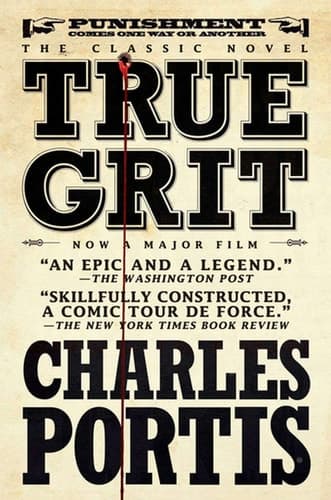
True Grit
by Charles Portis
Portis writes Westerns with a linguistic precision that makes every word count—much like Kelton's spare, no-nonsense prose. His protagonist Mattie Ross shares Charlie's refusal to accept defeat or compromise, but she's a fourteen-year-old girl pursuing vengeance across Indian Territory. The stubbornness is identical; the context is entirely different, which makes the parallel all the more striking.
View book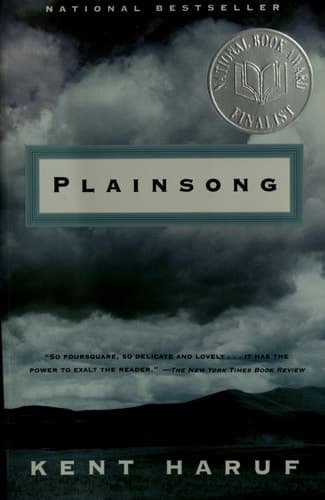
Plainsong
by Kent Haruf
Haruf sets his novel in contemporary Colorado ranch country and writes about ordinary people facing ordinary hardships—economic pressure, isolation, family fracture—with the same quiet realism Kelton brings to drought. There's no melodrama here, just the accumulated weight of making a living on unforgiving land. It's a spiritual successor to Kelton's work, proving that this kind of unflinching rural storytelling still matters.
View bookAbout Elmer Kelton
E
Elmer Kelton
Born 1926
Biography coming soon.
View author page