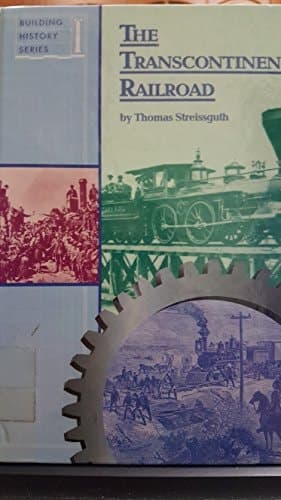
The Transcontinental Railroad
Thomas StreissguthPublished2000
Pages96
FormatLibrary Binding
PublisherLucent Books
Synopsis
Completed in 1869, the transcontinental railroad fulfilled the long-held vision of a single transportation and trade route across the North American continent. Skilled engineers and laborers built the railroad, while devious speculators on both the Atlantic and Pacific coasts maneuvered to profit by it This book describes, the design, financing, and construction of one of the largest engineering projects in history.
Recommendations
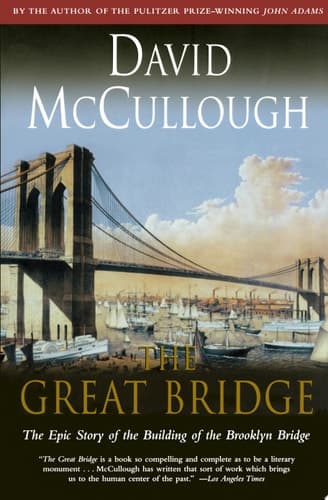
The Great Bridge The Epic Story of the Building of the Brooklyn Bridge
by David McCullough
McCullough has that same gift Streissguth does for making engineering drama genuinely gripping—he'll spend pages on the physics of caisson disease while you're on the edge of your seat. Where Streissguth traces the railroad's financial machinations, McCullough explores how the Brooklyn Bridge became a battleground between visionary engineers and corrupt politicians, with the human cost laid bare throughout.
View book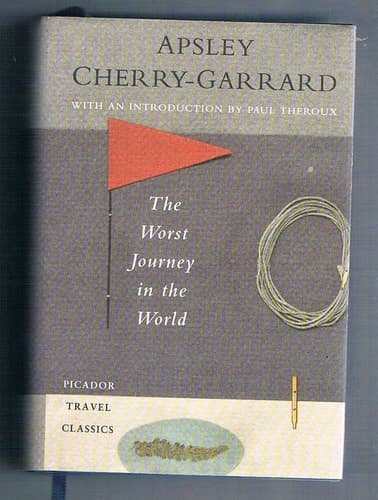
The Worst Journey in the World
by Apsley Cherry-Garrard
Published in 1922, this firsthand account of Scott's Antarctic expedition shares the transcontinental railroad's obsession with conquering geography through sheer human determination and engineering ingenuity—except here the 'project' is survival itself. Cherry-Garrard writes with the same meticulous attention to logistics and equipment that Streissguth brings to railroad construction, but filtered through the perspective of someone actually living through the ordeal.
View book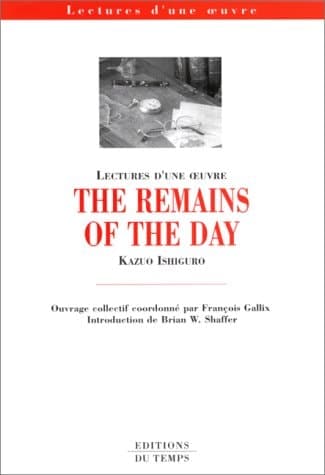
The remains of the day de Kazuo Ishiguro
by Gallix/François
This might seem like a left turn, but stay with me: both books are fundamentally about how individuals rationalize their participation in larger historical forces. Where Streissguth examines how laborers and speculators were caught up in the railroad's momentum, Ishiguro's butler has spent his life serving a household entangled with darker historical currents. The unreliable narrator structure means you're constantly reassessing what you thought you understood—much like learning the railroad's 'progress' came with devastating costs to Native populations.
View book
Assessment and ESL On the Yellow Big Road to the Withered of Oz
by Barbara Law
Swift does for the Interstate Highway System what Streissguth does for the transcontinental railroad—he traces how a massive infrastructure project reshaped a nation, but he's equally interested in the personalities and politics that made it happen. You'll recognize the same pattern of visionary engineering colliding with financial corruption, but now you're watching it unfold in the 20th century with even higher stakes and more complicated environmental consequences.
View bookAbout Thomas Streissguth
T
Thomas Streissguth
Born 1958
Biography coming soon.
View author page