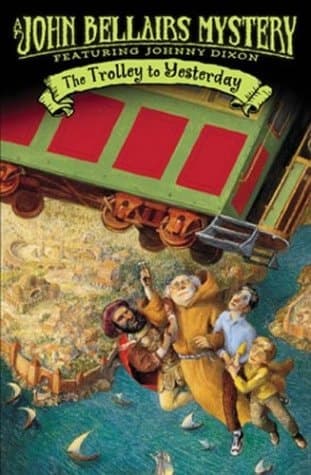
Synopsis
A classic fantasy/mystery from critically acclaimed novelist John Bellairs
Lewis thought the amulet would bring him good luck--instead, it brought nothing but evil.
Lewis is sure that Grandpa Barnavelt's 1859 lucky coin is really a magic talisman in disguise. With its power, he could do anything he wante--like get back at bully Woody Mingo. But as soon as he begins wearing the coin around his neck, strange things start to happen. Mysterious letters arrive in the dead of night. A strange, shadowy figure seems to be tracking him. And when Lewis finally gets his revenge on Woody, he feels as if someone else is inside his body, urging him to go even further. Has Lewis awakened a force beyond his control?
Recommendations
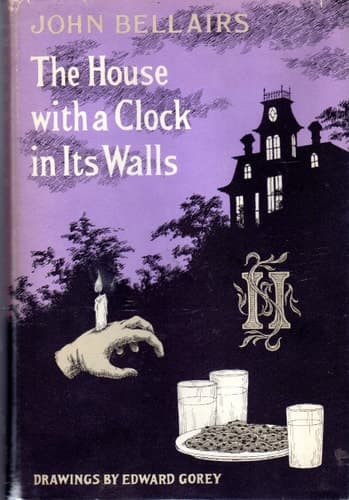
The House with a Clock in Its Walls
by John Bellairs
I'm recommending this as a palate-cleanser before you dive deeper—it's Bellairs' other masterwork, and it shares that same creeping dread where a young protagonist discovers that magic in his world operates by genuinely dangerous rules. Where *Trolley to Yesterday* focuses on the corruption of good intentions through a talisman, *Clock* explores how inherited mysteries can pull you into something far darker than you bargained for.
View book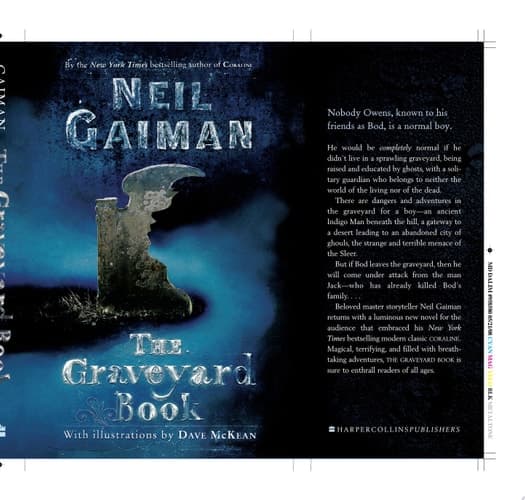
The Graveyard Book
by Neil Gaiman
Gaiman has that same gift Bellairs possessed for making the supernatural feel genuinely threatening while keeping a young reader emotionally invested. Nobody's trying to be cute here—the stakes are real, the danger is palpable, and the magic system operates with its own inexorable logic that the protagonist must learn to navigate or perish.
View book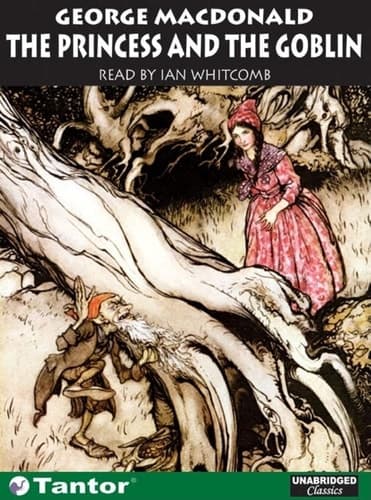
The Princess and the Goblin
by George MacDonald
This might seem like a left turn from *Trolley*, but stay with me: where Bellairs explores what happens when power corrupts from within, Addison explores what happens when a decent person inherits power they never wanted and must navigate a system designed to destroy them. It's got that same sense of a protagonist discovering that the world operates by rules they're only beginning to understand, but filtered through court intrigue rather than supernatural horror.
View book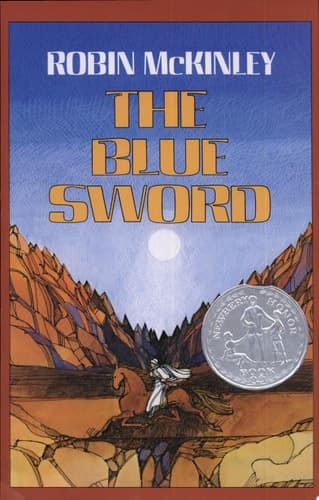
The Blue Sword
by Robin McKinley
McKinley writes fantasy the way Bellairs writes mystery—with genuine stakes and a protagonist who discovers that inheriting magical power means inheriting moral responsibility you can't simply shed. The pacing mirrors *Trolley*'s slow-burn tension, and there's that same quality of a young person realizing that the tools they've been given can be used for harm as easily as good.
View book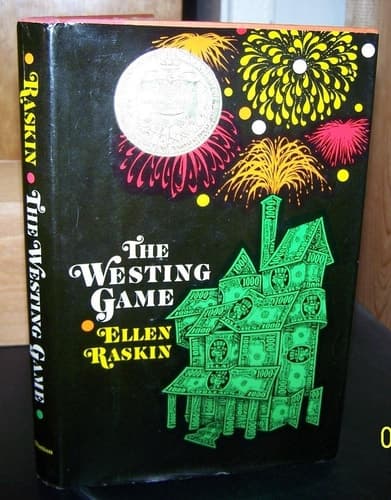
The Westing Game
by Ellen Raskin
Here's your surprise pick: this 1978 mystery has the same puzzle-box structure as *Trolley*, where clues accumulate and nothing is quite what it seems, but it's told with a lightness of touch that contrasts beautifully with Bellairs' gothic atmosphere. What connects them is the satisfaction of watching a young protagonist piece together a mystery where the real answer is far more complex than the obvious one—and where motive matters as much as method.
View bookAbout John Bellairs
J
John Bellairs
1938–1991
<b><a href="http://bellairsia.com">John Bellairs</a></b> (1938–1991) was an American novelist working primarily in the Gothic genre. He is best-known for the children's classic <i>The House with a Clock in its Walls</i> 1973) and for the pathbreaking fantasy novel <i>The Face in the Frost</i> (1969). Bellairs held a bachelor's degree from Notre Dame University and a master's in English from the University of Chicago. He combined writing and teaching from 1963 to 1971, including a year at <a href="http://shimer.edu">Shimer College</a> that coincided with that school's storied <a href="http://www.bellairsia.com/the_life/il/gis.html">Grotesque Internecine Struggle</a>. After 1971, he took up writing as his full-time work. (from <a href="http://shimercollege.wikia.com/John_Bellairs">Shimer College Wiki</a>)
View author page