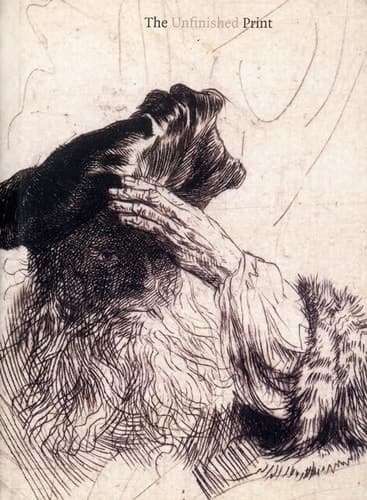
Synopsis
The question of 'finish' in the artistic endeavour has been regarded with increasing fascination since the Renaissance. In the graphic arts this question has involved what it means to achieve aesthetic resolution in printmaking. The Unfinished Print investigates for the first time the history of finish and unfinish in printmaking from the fifteenth to the early twentieth century.
Recommendations
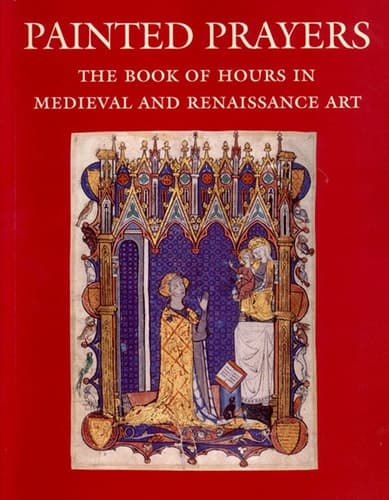
Painted Prayers The Book of Hours in Medieval and Renaissance Art
by Roger S. Wieck
Since you've clearly developed an appetite for the material history of artistic production, Pettegree offers a complementary deep-dive into how the physical book itself became a site of aesthetic and technical innovation during the same period Parshall examines. He writes with the same scholarly precision but makes the mechanics of printing culture genuinely gripping—you'll see how printmakers' decisions about finish were inseparable from broader questions about what a 'finished' book should even be.
View book
Seeing Berger: A Reevaluation of Ways of Seeing
by Peter Fuller (John Berger)
This is my slight curveball for you, but Berger's meditations on how we actually *look* at visual culture will deepen your understanding of what 'finish' even means aesthetically. Where Parshall gives you the historical framework, Berger asks the philosophical questions underneath—and he does it with the kind of clarity that makes you see artworks differently forever. It's more essayistic than scholarly, which offers a nice tonal shift while staying in the same intellectual neighborhood.
View book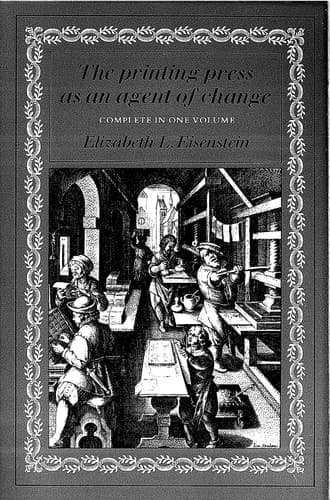
The Printing Press as an Agent of Change
by Elizabeth L. Eisenstein
Eisenstein takes the long view on how printing technology reshaped European thought itself, which gives you the macro context for all those micro-decisions about finish that Parshall catalogs. She's meticulous without being dry, and you'll find yourself constantly making connections back to specific prints and techniques—the way standardization and variation played against each other in early modern printmaking becomes even more fascinating when you understand what was at stake culturally.
View book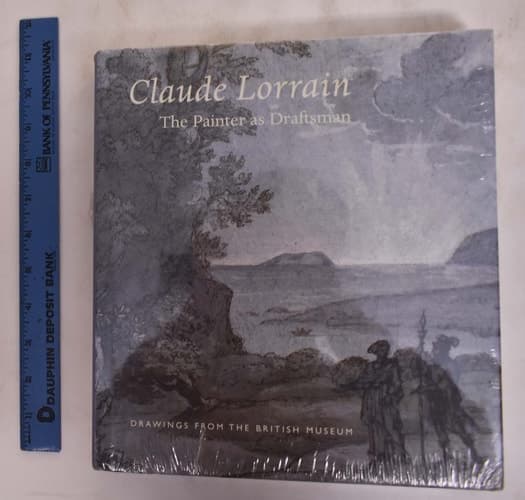
CLAUDE LORRAIN - THE PAINTER AS DRAFTSMAN (cancelled Op 11/08).
by Richard Rand
Here's where we pivot slightly: Sennett is a sociologist thinking about what it means to care about doing something *well*, and he uses printmaking and other crafts as case studies for how technical mastery and creative ambition intertwine. It's less about art history and more about the philosophy of craft itself, but it'll give you a richer vocabulary for thinking about why a printmaker might deliberately leave something unfinished—what that choice actually *means* in terms of intention and skill.
View book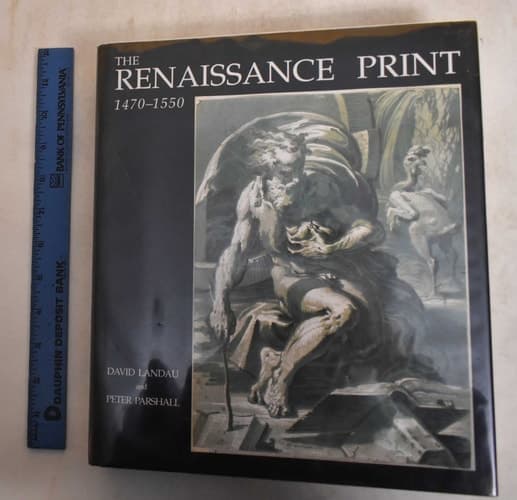
The Renaissance Print 1470-1550
by David Landau
I'm recommending this as a more expansive visual companion to Parshall—Landau and Parshall actually complement each other beautifully, but Landau's approach is more narrative and image-rich, walking you through specific prints and printmakers chronologically. If Parshall made you hungry to actually *see* the works being discussed in detail, this gives you that immersion while reinforcing the conceptual framework you've just learned.
View bookAbout Peter W. Parshall
Biography coming soon.
View author page