Synopsis
The 1932-33 Norton Lectures are among the best and most important of Eliot's critical writings. Tracing the rise of literary self-consciousness from the Elizabethan period to his own day, Eliot does not simply examine the relation of criticism to poetry, but invites us to "start with the supposition that we do not know what poetry is, or what it does or ought to do, or of what use it is; and try to find out, in examining the relation of poetry to criticism, what the use of both of them is."
Eliot begins with the appearance of poetry criticism in the age of Dryden, when poetry became the province of an intellectual aristocracy rather than part of the mind and popular tradition of a whole people. Wordsworth and Coleridge, in their attempt to revolutionize the language of poetry at the end of the eighteenth century, made exaggerated claims for poetry and the poet, culminating in Shelley's assertion that "poets are the unacknowledged legislators of mankind." And, in the doubt and decaying moral definitions of the nineteenth century, Arnold transformed poetry into a surrogate for religion.
By studying poetry and criticism in the context of its time, Eliot suggests that we can learn what is permanent about the nature of poetry, and makes a powerful case for both its autonomy and its pluralism in this century.
Recommendations
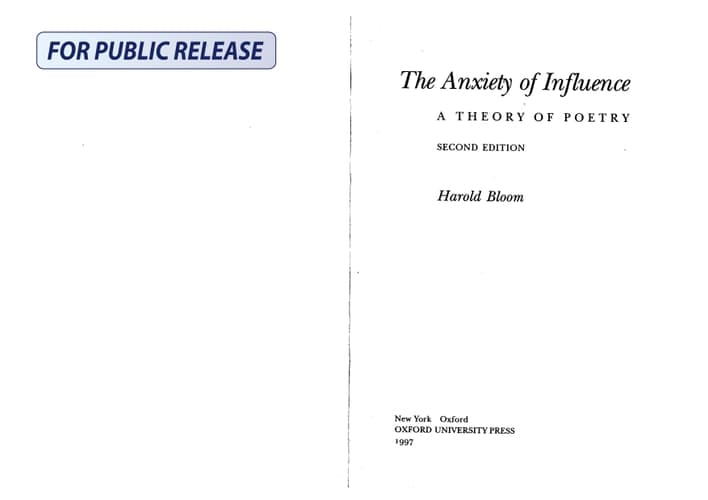
The Anxiety of Influence A Theory of Poetry
by Harold Bloom
Bloom picks up where Eliot leaves off, but argues the opposite case—that poetry is fundamentally about anxiety and struggle rather than autonomy. Where Eliot traces poetry's self-consciousness historically, Bloom traces it psychologically, examining how poets wrestle with their predecessors. If you found Eliot's genealogical approach to criticism compelling, Bloom's theory of literary influence will feel like a natural next step into deeper critical territory.
View book
A Defence of Poetry and Other Essays
by Percy Bysshe Shelley
Since Eliot spends considerable time engaging with Shelley's claim that poets are 'unacknowledged legislators of mankind,' reading Shelley's original essay directly will deepen your understanding of that debate immensely. Shelley writes with romantic fervor about poetry's transformative power—the very excess that Eliot critiques—making this a perfect dialogue between two critical voices across centuries.
View book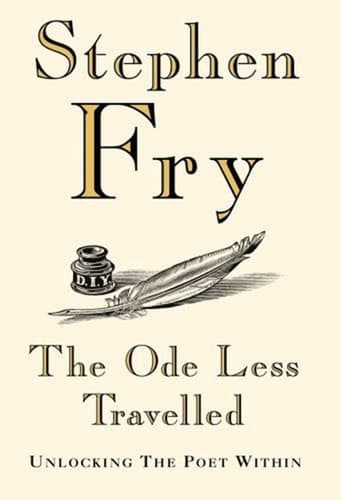
The Ode Less Travelled: Unlocking the Poet Within
by Stephen Fry
Wolfson offers a refreshing counterpoint to the canonical criticism Eliot inherits from—she examines how Romantic poets used form itself as a kind of argument, particularly in the ode. Her close readings reveal the political and emotional stakes embedded in poetic structure, which complements Eliot's interest in how poetry's 'use' changes across historical moments.
View book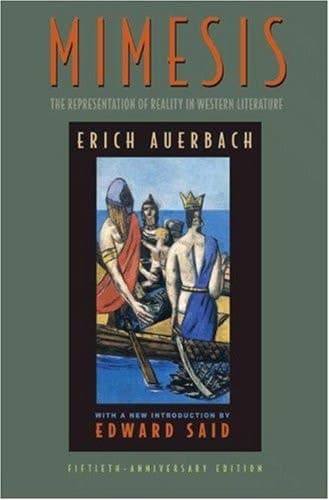
Mimesis The Representation of Reality in Western Literature
by Erich Auerbach
This is a surprise recommendation, but Auerbach does something Eliot only gestures toward: he traces how the *representation of reality itself* evolves through literary history, from Homer through modernism. Where Eliot asks 'what is poetry's use?', Auerbach asks 'how does literature's relationship to truth change over time?'—it's a complementary inquiry that will reshape how you read the critical tradition.
View book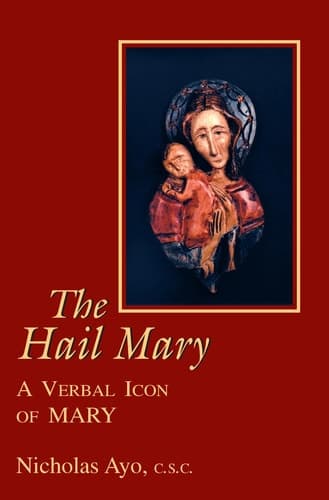
The Hail Mary A Verbal Icon of Mary
by Nicholas Ayo
Published in 1954, this collection represents the New Critical movement that Eliot's lectures helped inspire—but Wimsatt and his colleagues push Eliot's ideas into formalist territory, arguing that a poem's meaning exists autonomously on the page, independent of the poet's intentions or historical context. It's a fascinating test of Eliot's own claims about poetry's autonomy, and the essays are written with crystalline precision.
View bookAbout Thomas Stearns Eliot
Biography coming soon.
View author page