Synopsis
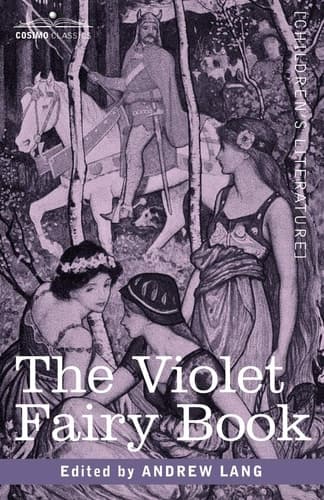
A prolific collector of fairy tales from around the globe, Andrew Lang, in this Dover Edition (no original publisher named) work, sets down a wildly entertaining variety of "stories as old as anything that men have invented." These oldest of stories include: . "The Finest Liar in the World" . "The Story of Three Wonderful Beggars" . "The Three Princes and Their Beasts" . "The Child Who Came from an Egg" . "The Enchanted Knife" . "The History of Dwarf Long Nose" . "The Girl Who Pretended to Be a Boy" . and many more. Complete with beautiful pen-and-ink illustrations, this is a collection to treasure, one in which you'll find roots of many of the stories we continue to tell anew today. Scottish journalist and author ANDREW LANG (1844-1912), a friend of Robert Louis Stevenson, produced a stunning variety and number of volumes, including books of poetry, novels, children's books, histories, and biographies, as well as criticism, essays, scholarly works of anthropology, and translations of classical literature. __________________________________________ ALSO FROM COSIMO: Lang's The Arabian Nights Entertainments, The Book of Dreams and Ghosts, A Short History of Scotland, and Myth, Ritual & Religion
Recommendations
The Blue Fairy Book
by Andrew Lang
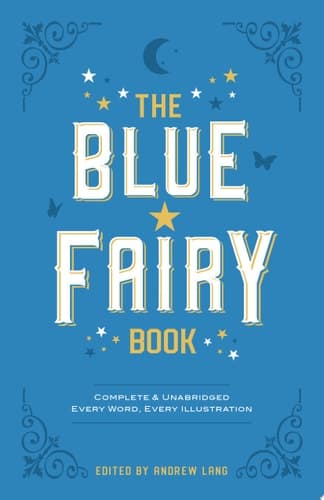
Wait—I know what you're thinking. But hear me out: if you haven't explored Lang's other color-coded collections, *The Blue* is where to venture next. It contains entirely different tales with that same global sweep, including 'Aladdin' and 'The Sleeping Beauty,' and the illustrations have their own distinct character. It's like discovering a whole new wing of the same magical library.
View book
Development, Change, and Gender in Cairo: A View from the Household (Indiana Series in Arab and Islamic Studies)
by Diane Singerman
The Grimms share Lang's mission—collecting the bones of old stories—but their versions are grittier and darker, with a German sensibility that feels almost archaeological. Where Lang smooths and entertains, the Grimms preserve the rough edges and moral ambiguity. You'll recognize some tale-types from *Violet*, but these versions will feel like encountering the same story's wilder cousin.
View book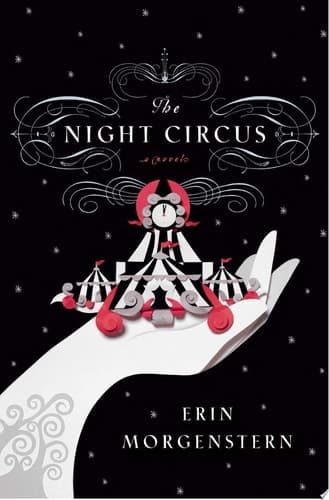
The Night Circus
by Erin Morgenstern
This is my curve-ball for you, but I promise it connects: Morgenstern writes like someone who grew up reading exactly the kind of fairy tale collections you just finished, then decided to write a novel that *feels* like a fairy tale—complete with that sense of timelessness and enchantment. The structure mirrors how fairy tales work: layered, non-linear, full of symbolic objects and transformations. It's contemporary literary fiction that breathes like folklore.
View book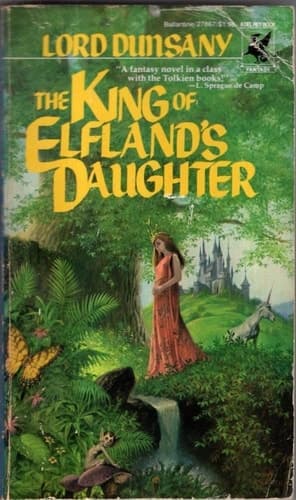
The King of Elfland's Daughter
by Lord Dunsany
Dunsany was writing in the 1920s, decades after Lang's collection, and he essentially asked: 'What if I wrote an entire novel in the *voice* of a fairy tale?' The result reads like a single, sustained story from your *Violet* book—complete with that formal, slightly archaic tone and the sense that we're hearing something ancient. It's brief, haunting, and will make you understand how deeply fairy-tale language can shape a narrative.
View book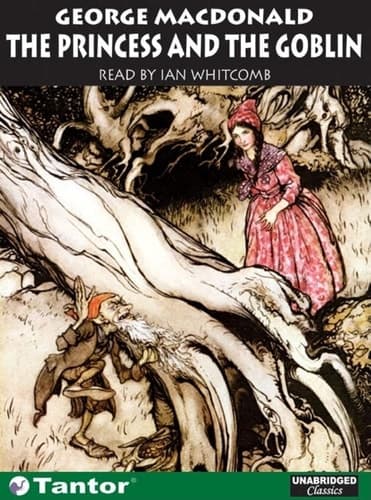
The Princess and the Goblin
by George MacDonald
Addison builds her world from the same emotional DNA as the tales in *Violet*—stories about outsiders, transformation, and finding one's place through cleverness and kindness rather than violence. But she's written a full novel where those fairy-tale values actually structure how characters treat each other. It has that same sense of wonder at small magic and the dignity of ordinary people navigating extraordinary circumstances that makes the best fairy tales work.
View bookAbout Andrew Lang
Biography coming soon.
View author page