Synopsis
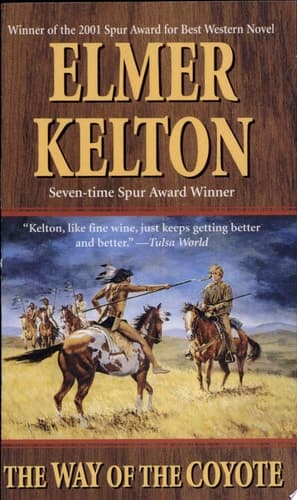
The Civil War has ended, and Union soldiers and federal officials have taken control of Texas as Rusty Shannon rides to his home on the Colorado River. As a child he was a captive of the Comanche, as a young man a proud member of a ranging company protecting settlers from Indian raids. Shannon's fate is intertwined with the young man accompanying him: Andy Pickard, himself but recently rescued from Comanche captivity and known by his captors as Badger Boy. Texas is in turmoil, overrun with murderous outlaws, lawmen exacting penalties from suspected former Confederates, nightriders, and the ever-dangerous Comanche bands. In this tempestuous time and place, Rusty tries desperately to resume his prewar life. His friend Shanty, a freed slave, is burned out of his home by the Ku Klux Klan; his own homestead is confiscated by his special nemesis, the murderous Oldham brothers; and the son of a girl he once loved is kidnapped by Comanches. Elmer Kelton, a master of novelist of the American West, literature, has crafted a satisfying and remarkably accurate tale of Texas life at the end of the Civil War.
Elmer Kelton, most honored of all Western writers, writes of the formative years of the Texas Rangers with the knowledge of a native Texan and the skill of a master storyteller. In Rusty Shannon, tough and smart--necessary survival attributes on the 1860s Texas frontier--Kelton has created one of the most memorable characters in modern Western fiction.
Recommendations
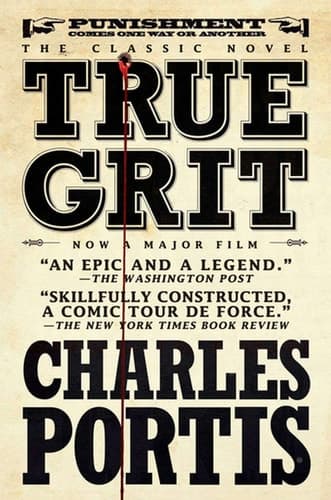
True Grit
by Charles Portis
Portis captures that same unflinching frontier morality and coming-of-age through violence that Kelton does, but through the fierce voice of a fourteen-year-old girl determined to avenge her father's murder. Like Rusty Shannon, his characters are forged by necessity rather than ideology, and the dialogue has that spare, authentic quality that makes you trust every word spoken.
View book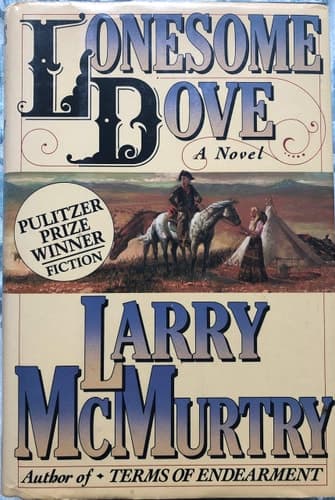
Lonesome Dove A Novel
by Larry McMurtry
I know McMurtry's name looms large in Western fiction, but this 1985 epic deserves mention here because it does something Kelton also achieves: it treats the frontier as a place of moral complexity rather than simple heroism. The way McMurtry weaves together multiple characters' fates across a vast landscape mirrors how Kelton intertwines Rusty and Andy's stories with the larger upheaval of Reconstruction Texas.
View book
The Brothers and Sisters Learn to Write Popular Literacies in Childhood and School Cultures
by Anne Haas Dyson
This is my surprise pick—a literary Western from 2011 that reads almost like a dark comedy about two hired killers in 1850s California. DeWitt writes with the precision of a literary novelist but the grit of a Western writer, and his exploration of loyalty and violence between brothers echoes the complicated bonds Kelton creates between Rusty and Andy, except deWitt lets the absurdity of frontier life show through.
View book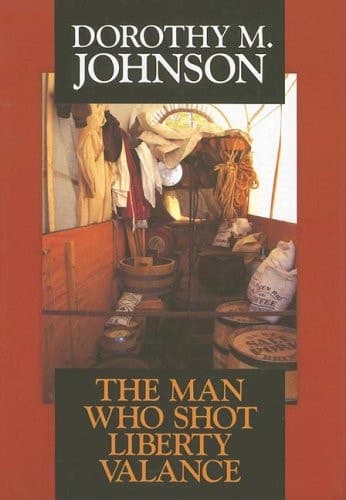
The Man who Shot Liberty Valance
by Dorothy M. Johnson
Coon's novella (later adapted into the famous Ford film) explores the myth-making around frontier heroism in a way that complements Kelton's grounded realism. Where Kelton shows you the actual cost of frontier life, Coon shows you how those costs get transformed into legend—both authors are interested in what's true versus what people need to believe.
View book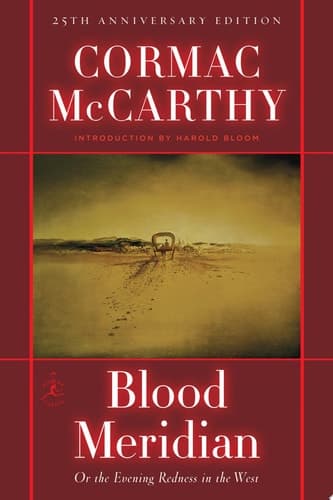
Blood Meridian, Or, The Evening Redness in the West
by Cormac McCarthy
McCarthy's 1985 novel is brutal where Kelton is measured, but both writers share an unflinching eye for frontier violence and a refusal to sentimentalize the West. If you appreciated how Kelton doesn't shy away from the Comanche perspective or the moral murkiness of Reconstruction, McCarthy takes that unflinching quality to its philosophical extreme—he's asking what the frontier actually *is* beneath the mythology.
View bookAbout Elmer Kelton
E
Elmer Kelton
Born 1926
Biography coming soon.
View author page