
Three Early Works A Book of Prefaces ; Damn! a Book of Calumny ; The American Credo
Henry Louis MenckenPublished2006
Pages444
Formatpaperback
PublisherBarnes & Noble
Synopsis
Three Early Works *A Book of Prefaces *Damn! A Book of Calumny *The Amerrican Credo Paperback
Recommendations
Prejudices First Series
by Henry Louis Mencken
Wait—I know what you're thinking. But hear me out: if you devoured the sharp-edged social commentary in those three early works, Mencken's *Prejudices* collections are where he really hits his stride with even more caustic essays on American culture, literature, and human folly. It's the natural next step in his evolution as a critic.
View book
The Education of Henry Adams
by Henry Adams
Adams writes with the same aristocratic disdain for American mediocrity that Mencken wielded, but he's doing it from inside the machinery of power itself—as a descendant of presidents watching the country modernize in ways that horrify him. Where Mencken throws grenades from the sidelines, Adams dissects the failure from within, and the intellectual fireworks are just as brilliant.
View book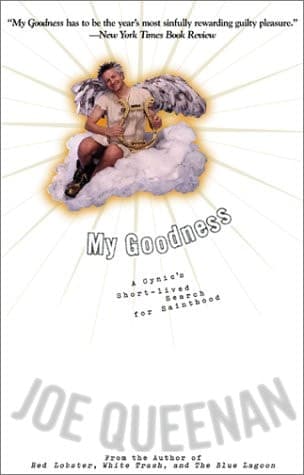
My Goodness A Cynic's Short-Lived Search for Sainthood
by Joe Queenan
Adams was Mencken's contemporary and fellow curmudgeon, collecting aphorisms and observations about American life with the same withering wit. His short, punchy observations have that same sting—you'll recognize the sensibility immediately, but his approach is more aphoristic and less essayistic, giving you a different flavor of the same intellectual poison.
View book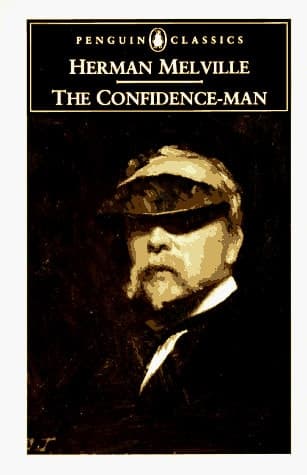
The Confidence-Man His Masquerade
by Herman Melville
Here's your surprise pick: Melville's 1857 novel is basically *The American Credo* as fiction—a steamboat full of con artists, marks, and hustlers all performing versions of American identity and belief. Mencken would have loved how Melville exposes the gullibility and self-deception baked into American optimism, and the dialogue crackles with the same skeptical intelligence you just finished reading.
View book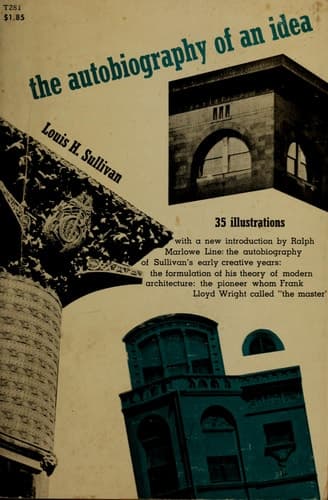
The Autobiography of an Idea
by Louis H. Sullivan
Sullivan was an architectural visionary writing in the 1920s about American culture, taste, and the corruption of beauty by commerce and mediocrity—themes that would have made Mencken nod in recognition. It's a different medium (architecture instead of literature), but the intellectual fury at American vulgarity and the passionate argument for standards runs through every page.
View bookAbout Henry Louis Mencken
H
Henry Louis Mencken
1880–1956
Biography coming soon.
View author page