Synopsis
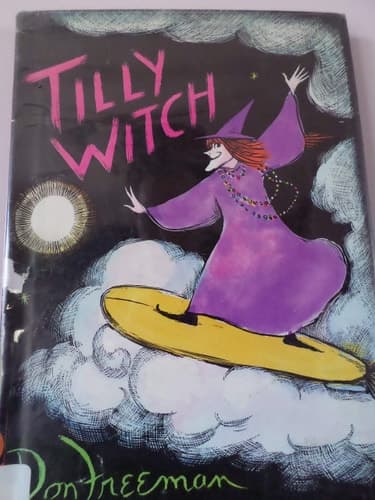
Tilly Witch forgot how to be mean and had to return to finishing school for witches to re-learn the trickery of the trade.
Recommendations
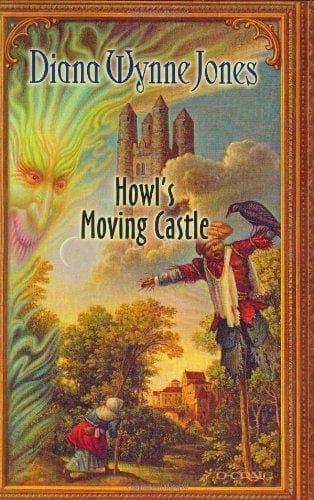
Howl's Moving Castle
by Diana Wynne Jones
Like Tilly, your protagonist here is a character learning to navigate a magical world through unconventional means—but Sophie's journey involves unlearning her self-imposed limitations rather than relearning wickedness. Jones has that same warm, slightly absurdist humor as Freeman, where the magic feels lived-in and the real stakes are emotional rather than grandiose.
View book
The Phantom Tollbooth
by Norton Juster
This 1961 novel shares Freeman's gift for making the impossible feel like a reasonable field trip—a boy travels through kingdoms of words and numbers with the same matter-of-fact wonder that Tilly approaches witch school. Both books treat their fantastical premises as perfectly ordinary problems to solve, which creates that distinctive blend of whimsy and logic.
View book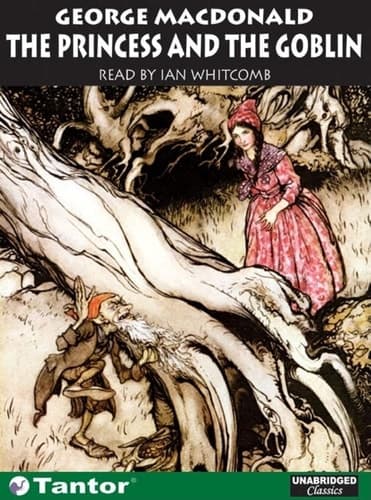
The Princess and the Goblin
by George MacDonald
Here's your surprise pick: it's a fantasy novel, yes, but one that's genuinely about learning courtly manners and institutional rules rather than magic battles. Like Tilly returning to finishing school, your protagonist must learn an entirely foreign system of etiquette and protocol—except Addison writes with such earnest compassion that the 'finishing school' elements become the emotional heart of the story.
View book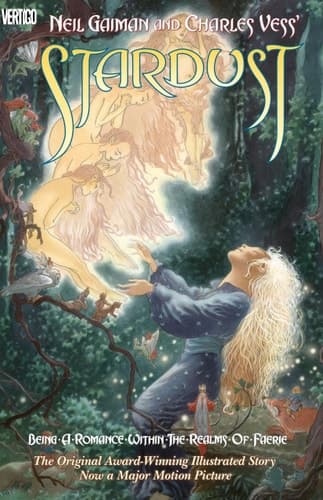
Neil Gaiman and Charles Vess' Stardust
by Neil Gaiman
Gaiman writes fairy tales for adults with the same illustrated-storybook sensibility Freeman brought to picture books—there's magic here, but it's treated with a knowing wink rather than reverence. The protagonist's education in how the magical world actually works (versus how he imagined it) mirrors Tilly's realization that witch-craft requires actual skill and intention.
View book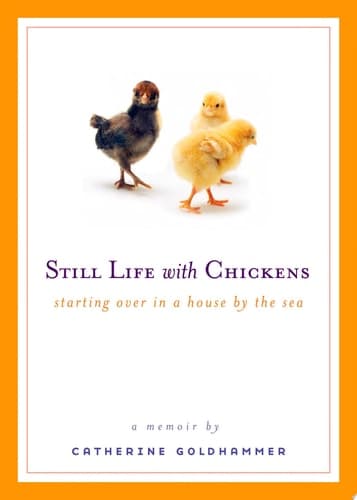
Still Life with Chickens Starting Over in a House by the Sea
by Catherine Goldhammer
Klune captures that same spirit of finding unexpected warmth in supposedly 'wicked' places—a by-the-book inspector arrives at a magical orphanage expecting rule-breaking chaos and instead discovers something far more complicated and humane. Both books suggest that learning to be 'good' or 'bad' is less important than learning to be genuinely present with the people around you.
View bookAbout Don Freeman
D
Don Freeman
1908–1978
Don Freeman was born in San Diego, California. He attended high school in St. Louis, and then studied graphic design at the Art Students League in New York City.
View author page