Synopsis
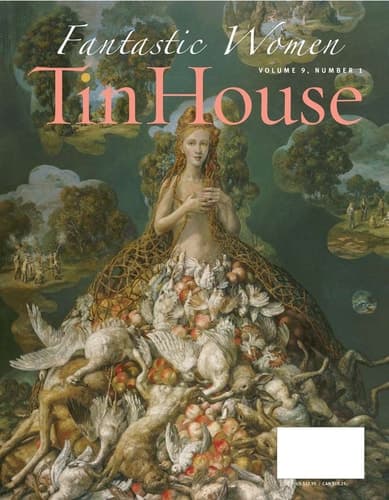
Tin House has become a forerunner of brilliant and fresh contemporary fiction, and this astonishing collection captures some of the most promising literary voices writing today. The anthology includes tastes of Aimee Bender's surreal aesthetic, Miranda July's charming and quirky prose, and Sarah Shun-Lien Bynum heart-stopping and lyrical style. Edited by virtuoso novelist and memoirist Rick Moody, this is not only a collection of great fiction, but also a compendium of awe-inspiring work from women on the cutting edge of literary greatness.
Recommendations
Zadie Smith "White Teeth" and Multiculturalism
by Sylvia Hadjetian
Smith shares Bender's gift for weaving the surreal into domestic moments—here, a multigenerational family saga where the mundane and the fantastical collide with the same deadpan charm. Both writers excel at making you believe in impossible things happening to very ordinary people, and Smith's prose has that same lyrical precision you'd find in the best pieces of that Tin House collection.
View book
Dream Fever
by Katherine Sutcliffe
This Argentine writer does something remarkable with narrative structure that echoes the experimental boldness of the Tin House anthology—the story unfolds through fragmented memories and questions, creating an unsettling dreamlike quality. Like Bender's work, it's brief but densely layered, and it trusts readers to sit with ambiguity and strangeness without spelling everything out.
View book
The Apocalyptic Vision of Mikhail Bulgakov's the Master and Margarita (Studies in Slavic Language & Literature)
by Edward E. Ericson
Here's your surprise pick: published in 1967, this Russian novel predates your anthology by decades, but it's the spiritual ancestor of everything in it. Bulgakov writes magical realism with the same deadpan surrealism Bender uses—a devil literally visits Soviet Moscow—and the prose has that same ability to make the impossible feel intimate and emotionally true. It's proof that the 'fantastic women' in Tin House were tapping into something timeless.
View book
Promise You Won't Freak Out A Teenager Tells Her Mom the Truth About Boys, Booze, Body Piercing and Other..
by Doris A. Fuller
Machado writes short stories with the same willingness to bend genre that made Tin House so exciting—science fiction, horror, and intimate character studies all coexist in her collection. Her prose has that same lyrical quality you'd find in Bynum's work, but she's unafraid to let the fantastic elements become the emotional core rather than window dressing.
View book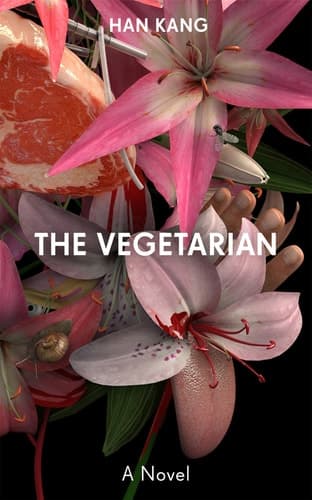
The Vegetarian A Novel
by Kang Han
This South Korean novel operates in the same register as the best Tin House pieces—a simple premise (a woman stops eating meat) becomes a vehicle for exploring family, identity, and the body with unsettling precision. Han Kang's prose is spare but luminous, and like Bender, she finds the surreal lurking beneath the surface of everyday domestic life, making readers deeply uncomfortable in ways that feel necessary.
View bookAbout Aimee Bender
Biography coming soon.
View author page