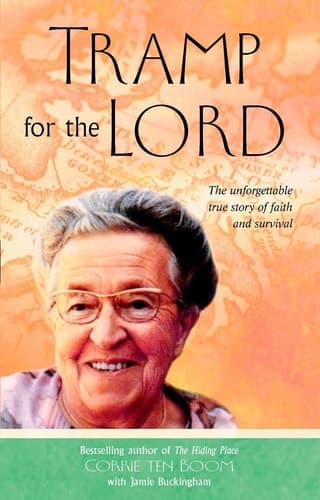
Tramp for the Lord The Unforgettable True Story of Faith and Survival
Corrie Ten BoomPublished2002
Pages240
Formatpaperback
PublisherNational Geographic Books
Synopsis
Continuing from her bestseller The Hiding Place, Corrie Ten Boom’s inspirational life story proves that miracles do happen.
In 1940, Corrie ten Boom was living with her father and sister above their watch shop in Haarlem when their country was invaded. Armed with the gift of their faith and their belief in doing what was right, this devoutly Christian family provided sanctuary for persecuted Jews. Before long, the Nazis captured Corrie and her family and sent them to a concentration camp, where Corrie lost both her sister and father.
But remarkably, throughout this turbulent time, from her near-destitute days in postwar New York to her heart-stopping adventures in Africa, Corrie sustained the faith in God that helped her become one of the most beloved evangelists of her time.
“Although the threads of my life have often seemed knotted, I know, by faith, that on the other side of the embroidery there is a crown. As I have walked the world—a tramp for the Lord—I have learned a few lessons in God’s great classroom.”
Recommendations
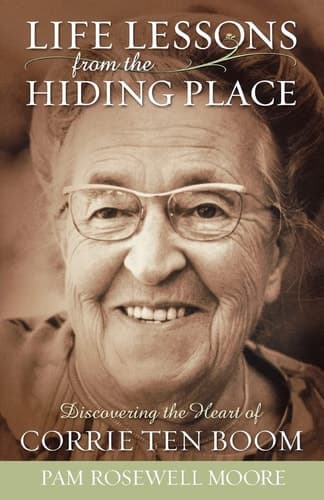
Life Lessons from The Hiding Place Discovering the Heart of Corrie Ten Boom
by Pam Rosewell Moore
Wait—I know you just finished the sequel, but if you haven't read this first book yet, it's essential. *Tramp for the Lord* assumes you know the concentration camp experience, but *The Hiding Place* gives you the full weight of those years in the camps themselves, where Corrie's faith was tested in ways that make her later evangelism feel earned rather than miraculous.
View book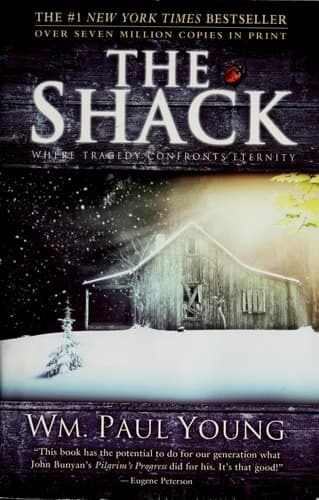
The Shack
by William P. Young
Young does something Corrie does beautifully—he takes theological abstraction (Why does God allow suffering?) and grounds it in a specific, intimate conversation. Where Corrie answers through her lived experience, Young uses narrative to wrestle with the same questions about faith after trauma, and like *Tramp*, it refuses easy answers while maintaining hope.
View book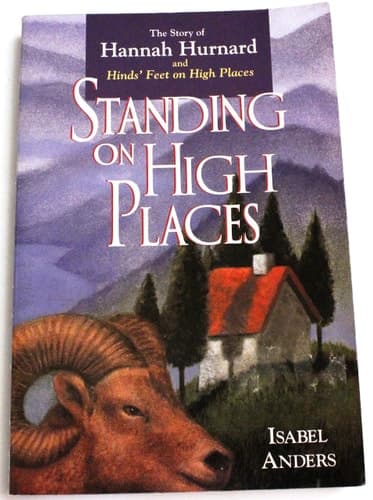
Standing on High Places The Story of Hannah Hurnard and Hinds' Feet on High Places
by Isabel Anders
This 1955 allegory might seem like a departure into fantasy, but it's actually a spiritual cousin to Corrie's work—a journey narrative where a fearful character travels toward transformation through encounters with both danger and grace. Hurnard writes with the same conviction that faith isn't about avoiding hardship but about moving through it with purpose, and her prose has that same quiet, unshakeable certainty.
View book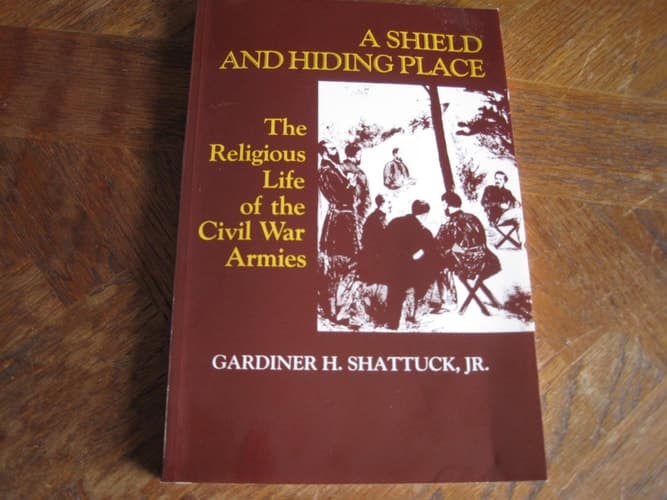
A Shield and Hiding Place The Religious Life of the Civil War Armies
by Gardiner H. Shattuck
I'm recommending this as a historical complement rather than a replacement—Dayton's account of Dutch resistance during the Nazi occupation gives you the broader context of what Corrie's family was part of. Reading it alongside *Tramp* deepens your understanding of how individual faith operated within larger networks of moral courage.
View book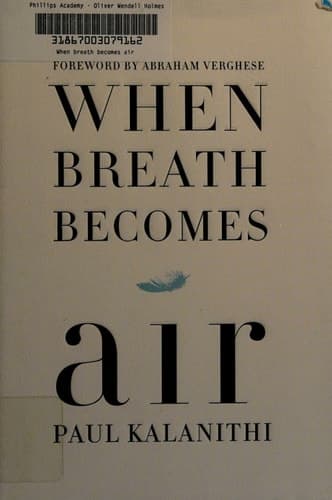
When Breath Becomes Air Pulitzer Prize Finalist
by Paul Kalanithi
This is the surprise pick, but hear me out: Kalanithi writes about confronting mortality and finding meaning in the face of it with the same unflinching honesty Corrie brings to her suffering. Where she asks "How do I serve God after the camps?" he asks "How do I live fully knowing I'm dying?" Both authors refuse sentimentality and arrive at something harder and truer—a faith that doesn't deny pain but insists on purpose anyway.
View bookAbout Corrie Ten Boom
C
Corrie Ten Boom
1892–1983
"Cornelia "Corrie" ten Boom was a Dutch Christian who, along with her father and other family members, helped many Jews escape the Nazi Holocaust during World War II. She was imprisoned for her actions. Her most famous book, The Hiding Place, describes the ordeal." - Wikipedia
View author page