Synopsis
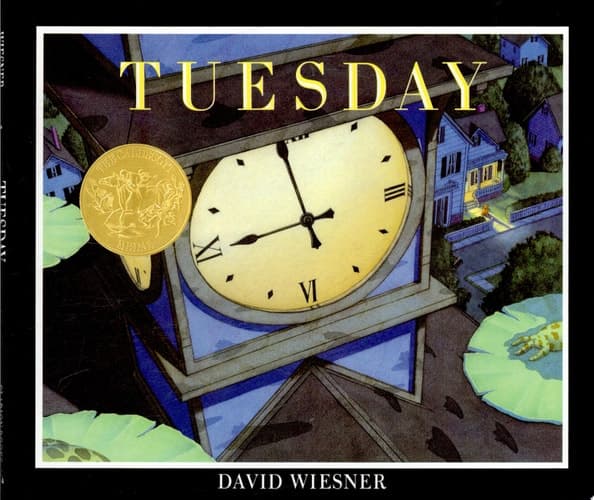
In David Wiesner's whimsical and elegant New York Times bestseller and Caldecott Medal-winner, the events of a delightfully unpredictable Tuesday invite readers to find the potential for the wondrousness in every day.
It begins on Tuesday evening, when the frogs suddenly start to float. . . . Thrill to the humorous cascading adventures that follow in a celebration of possibility unbounded--and of unexpected cause and effect. From the genius of international superstar and three-time Caldecott Medalist David Wiesner, this entertaining, thought-provoking, and nearly-wordless tale unrolls with the precision and clarity of a silent movie. Engaging for all ages, this beloved and innovative classic is a perfect gift to enthrall the young and the young at heart.
Recommendations
The Arrival
by Bobbi J. G. Weiss
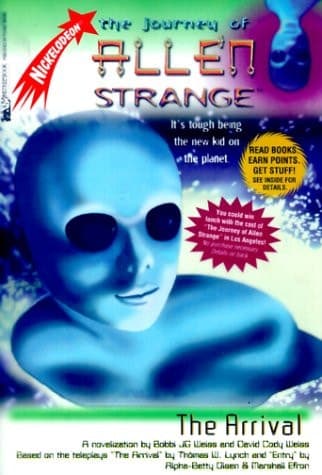
Like Tuesday, this is a nearly wordless visual narrative that unfolds with cinematic precision, but Tan uses the format to tell something more emotionally resonant—a wordless immigrant's journey that gains power precisely because you're reading the pictures like a silent film. Where Wiesner delights in absurdist whimsy, Tan creates wonder tinged with melancholy, proving the wordless format can hold both lightness and depth.
View book
The Phantom Tollbooth
by Norton Juster
This 1961 novel shares Tuesday's fundamental belief that the everyday world contains infinite possibility—but instead of floating frogs, Juster gives you a tollbooth that leads to kingdoms made of words and numbers. Both works celebrate the idea that wonder isn't something you need to find elsewhere; it's embedded in how you pay attention to cause and effect, puns, and the logic of imagination.
View book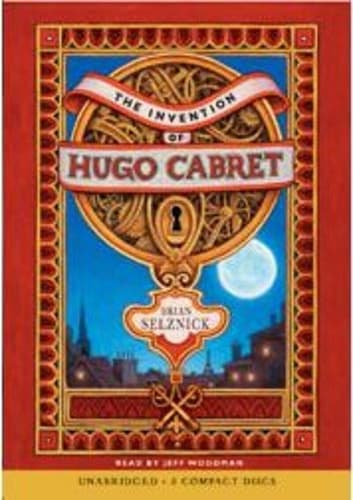
The Invention of Hugo Cabret
by Brian Selznick
Selznick creates a hybrid experience—part novel, part picture book, with extensive pencil illustrations that function almost like Wiesner's visual storytelling—but he's weaving in film history, mechanical puzzles, and a mystery that unfolds through both words and images working together. If you loved how Tuesday made you *read* the pictures actively, this book demands the same engaged attention but with a more intricate narrative puzzle underneath.
View book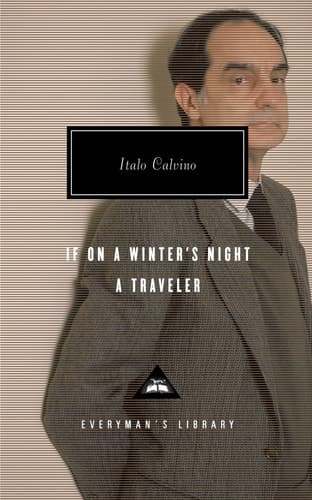
If on a Winter's Night a Traveler Introduction by Peter Washington
by Italo Calvino
This is the surprise recommendation: a playful, metafictional novel that shares Tuesday's delight in unexpected cause and effect, but applies it to the act of reading itself. Calvino treats narrative possibilities the way Wiesner treats floating frogs—as a starting point for cascading, delightful complications. It's experimental literary fiction, yes, but it has the same spirit of "what if we followed this absurd premise to its logical conclusion?"
View book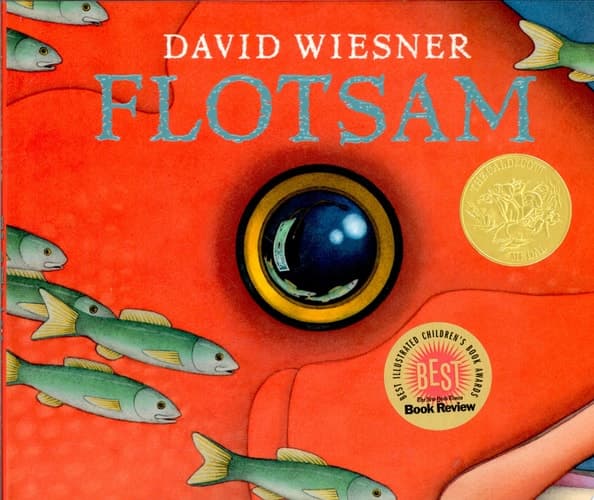
Flotsam
by David Wiesner
I know—same author. But hear me out: if you haven't read Wiesner's other wordless masterpieces, Flotsam takes the visual storytelling of Tuesday and applies it to an underwater world of found objects and photographs, creating an even more intricate visual puzzle. It's the natural next step in exploring what this particular artist can do with the format, rather than immediately jumping to imitators.
View bookAbout David Wiesner
D
David Wiesner
Born 1956
David Wiesner (born February 5, 1956) is an American illustrator and writer of children's books, known best for picture books including some that tell stories without words. As an illustrator he has won three Caldecott Medals recognizing the year's "most distinguished American picture book for children" and he was one of five finalists in 2008 for the biennial, international Hans Christian Andersen Award, the highest recognition available for creators of children's books. https://en.wikipedia.org/wiki/David_Wiesner
View author page