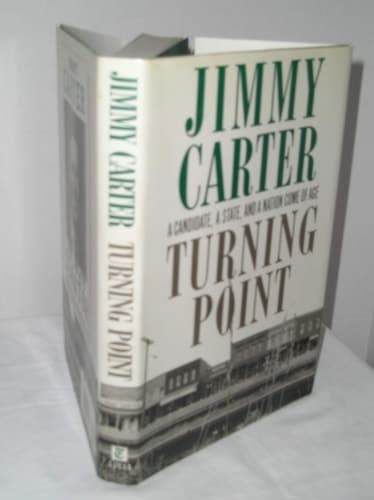
Turning Point A Candidate, a State, and a Nation Comes of Age
Jimmy CarterPublished1992
Pages223
Formatpaperback
PublisherTimes Books
Synopsis
The former president recounts his first election campaign in 1962 when he ran for the state senate and how the election became a battle between the entrenched powers of the Old South and an emerging New South. Reprint. 35,000 first printing.
Recommendations
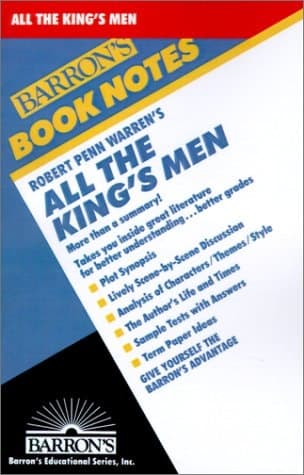
Robert Penn Warren's All the King's Men
by Jane Yarbrough
Warren's novel is set in a similar American South during a transformative political moment, following a charismatic politician's rise through a landscape of old power structures and moral compromise. Like Carter's memoir, it captures how individual ambition becomes entangled with regional identity and the collision between traditional and progressive forces—except Warren lets you inside the psychological cost of that collision in ways memoir cannot.
View book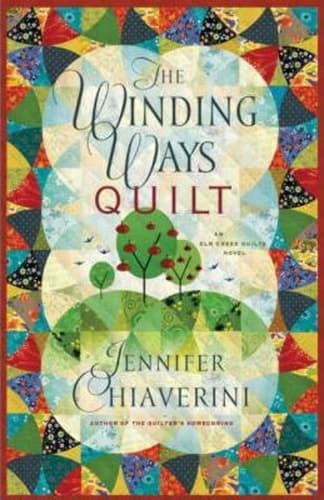
The Winding Ways Quilt An Elm Creek Quilts Novel
by Jennifer Chiaverini
Packer's 2013 narrative nonfiction traces how America transformed from the postwar consensus into something fragmented and uncertain—essentially the long arc of what Carter's 1962 moment set in motion. He weaves together biography, reportage, and cultural history in a way that feels more immediate and contemporary than traditional political history, showing you the human texture of systemic change.
View book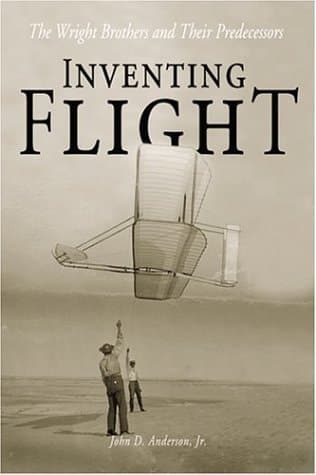
Inventing Flight: The Wright Brothers and Their Predecessors
by Professor John D. Anderson Jr.
Here's your surprise pick: Kinzer's dual biography reads like a political thriller while being meticulously researched, and it covers the exact era when Carter was entering politics—showing you the Cold War machinery operating behind the scenes of American democracy. It's the shadow history to Carter's memoir, revealing what the entrenched powers he was fighting against were actually doing on the world stage.
View book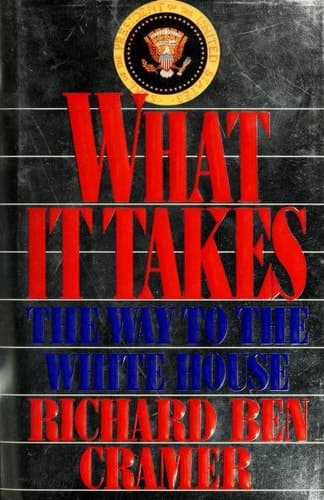
What It Takes: The Way to the White House
by Richard Ben Cramer
Cramer spent years embedded with 1988 presidential candidates, and his epic narrative captures the granular reality of political ambition—the exhaustion, the calculation, the moments of genuine conviction. Where Carter reflects on his 1962 campaign with the wisdom of hindsight, Cramer puts you in real-time with candidates experiencing their own turning points, making his book feel like a companion piece that shows how little the machinery of ambition has changed.
View book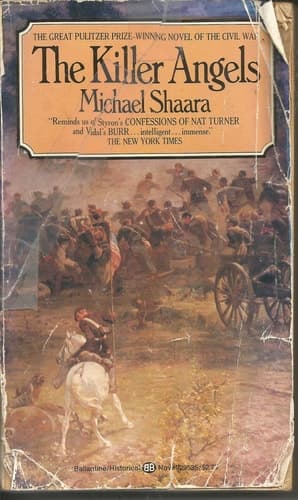
The Killer Angels
by Michael Shaara
This might seem like a left turn, but Shaara's Civil War novel is fundamentally about the collision between old and new America—the South fighting to preserve its world against forces of change—which is exactly the ideological battle Carter describes in his memoir, just a century earlier. Shaara's gift is making you understand both sides of that conflict with equal empathy, giving you the emotional and moral complexity that historical moments demand.
View bookAbout Jimmy Carter
J
Jimmy Carter
1924–2024
James Earl Carter Jr. (October 1, 1924 – December 29, 2024) was an American politician and humanitarian who served as the 39th president of the United States from 1977 to 1981, and also a Nobel Peace Prize laureate in 2002 for his yearlong efforts for peace and human rights.
View author page