Synopsis
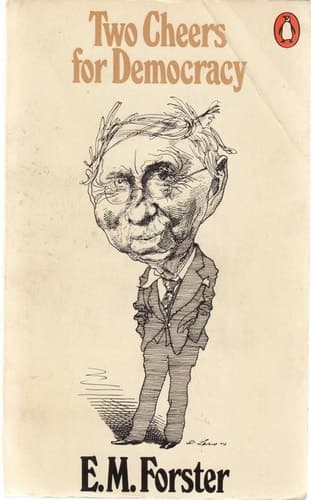
A collection of poetical essays revealing the social conscience of the modern English novelist.
Recommendations
The Common Reader
by Virginia Woolf
Woolf's essay collections share Forster's gift for turning literary criticism into something almost lyrical—she writes about reading the way a poet writes about landscape. Both authors use the essay form to explore what it means to be thoughtful in an increasingly fractured modern world, and both trust their readers to follow them into philosophical tangents without losing the thread.
View book
THE REBEL CLOTH ED
by Albert. translated From The French by Anthony Bower Camus
Published in 1951, this philosophical essay collection examines how individuals navigate moral questions in societies that often demand compromise—precisely the tension Forster grapples with between personal integrity and democratic participation. Camus writes with the same measured, humane skepticism that runs through Two Cheers, refusing easy answers while remaining deeply engaged with the problem.
View book
The Art of Fiction Notes on Craft for Young Writers
by John Gardner
Here's the surprise: a craft manual that reads like philosophy. Gardner writes about the novelist's responsibility to truth and imagination with the same ethical seriousness Forster brings to democracy—he's arguing that how you write matters because it shapes how readers think. If you loved Forster's social conscience, you'll find Gardner asking what novelists owe to their readers and their world.
View book
Culture and Society, 1780-1950
by Raymond Williams
Williams traces how writers and thinkers have wrestled with culture's relationship to democracy—he's essentially having a conversation with Forster across the decades. His method of close reading combined with social analysis mirrors Forster's own approach: treating literature not as decoration but as evidence of how we actually think about living together.
View book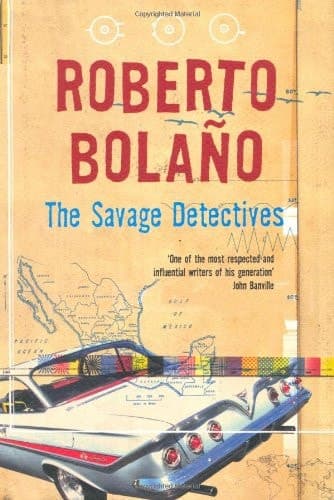
The Savage Detectives A Novel
by Roberto Bolaño
A contemporary novel that operates like a collection of interconnected essays and fragments about art, politics, and what it means to remain engaged with ideas when the world seems indifferent. Bolaño shares Forster's skepticism about grand pronouncements while maintaining an almost stubborn faith that literature and conversation matter—the form itself becomes an argument for why we need to keep talking to each other.
View bookAbout E M Forster
Biography coming soon.
View author page