Synopsis
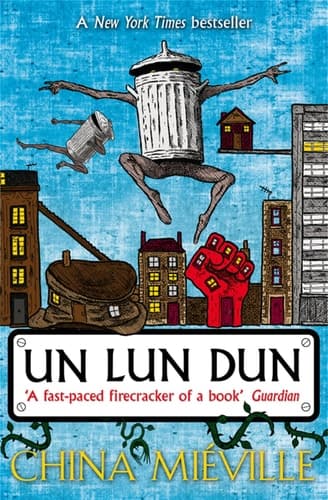
What is Un Lun Dun?It is London through the looking glass, an urban Wonderland of strange delights where all the lost and broken things of London end up . . . and some of its lost and broken people, too--including Brokkenbroll, boss of the broken umbrellas; Obaday Fing, a tailor whose head is an enormous pin-cushion, and an empty milk carton called Curdle. Un Lun Dun is a place where words are alive, a jungle lurks behind the door of an ordinary house, carnivorous giraffes stalk the streets, and a dark cloud dreams of burning the world. It is a city awaiting its hero, whose coming was prophesied long ago, set down for all time in the pages of a talking book.When twelve-year-old Zanna and her friend Deeba find a secret entrance leading out of London and into this strange city, it seems that the ancient prophecy is coming true at last. But then things begin to go shockingly wrong.From the Hardcover edition.
Recommendations
Neil Gaiman's Neverwhere
by Mike Carey
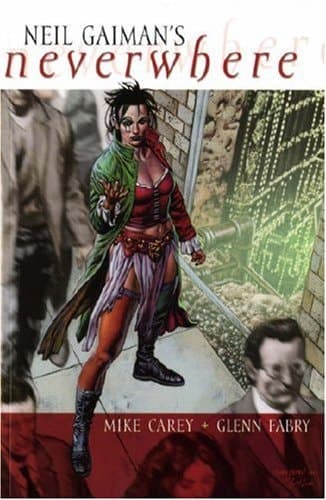
Like Miéville, Gaiman builds a shadow London that operates by its own logic—but where Un Lun Dun revels in grotesque specificity (pin-cushion heads, carnivorous giraffes), Neverwhere leans into myth and metaphor. Both novels treat their hidden cities as characters in themselves, and both protagonists stumble into worlds where being 'chosen' is far more complicated than it first appears.
View book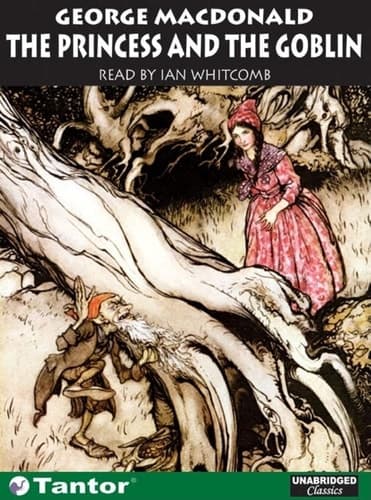
The Princess and the Goblin
by George MacDonald
This might seem like a departure from Miéville's surrealism, but Addison shares his gift for creating richly detailed secondary worlds where the architecture and social systems feel as real as the characters. Where Un Lun Dun surprises you with its grotesqueries, The Goblin Emperor surprises you with genuine warmth—both novels are fundamentally about outsiders navigating worlds that don't quite make sense to them.
View book
The Apocalyptic Vision of Mikhail Bulgakov's the Master and Margarita (Studies in Slavic Language & Literature)
by Edward E. Ericson
Here's your left-field pick: this 1960s Russian novel shares Miéville's anarchic sense of humor and his willingness to let multiple realities collide on the same page. Where Un Lun Dun has a dark cloud plotting destruction, Bulgakov has the Devil himself loose in Moscow—both authors treat impossible things with deadpan matter-of-factness, and both create worlds where language itself becomes unreliable and playful.
View book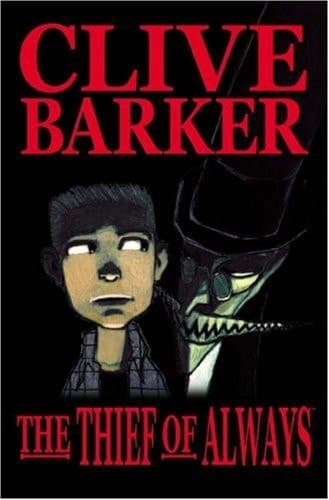
Clive Barker's The Thief of Always
by Kris Oprisko
Barker constructs a trap-world that's seductive and sinister in equal measure, much like Un Lun Dun's broken-things aesthetic. Both novels feature young protagonists who discover that the magical place they've stumbled into has a predatory logic underneath its wonders, and both authors aren't afraid to let their worlds be genuinely unsettling rather than whimsical.
View book![Cover of Giovanni Ba[t]tista Piranesi The Prisons (le Carceri)](/_next/image?url=https%3A%2F%2Fcovers.whatshouldireadnext.com%2Feditions%2F9780486215402%2Flg.jpg&w=3840&q=75)
Giovanni Ba[t]tista Piranesi The Prisons (le Carceri)
by Giambattista Piranesi
Clarke builds a single, impossible location with the same obsessive detail Miéville lavishes on Un Lun Dun—every architectural element matters, every strange rule has weight. Both novels are fundamentally about discovering what's real and what's been hidden from you, and both authors trust their readers to piece together the world's logic without spelling everything out.
View bookAbout China Miéville
Biography coming soon.
View author page