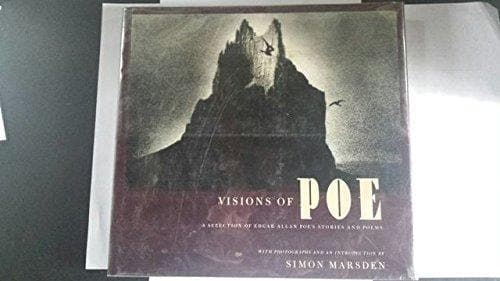
Visions of Poe A Selection of Edgar Allan Poe's Stories and Poems
Edgar Allan PoePublished1988
Pages128
Formathardcover
PublisherKnopf
Synopsis
A selection of tales and poems, visually interpreted with photographs by Simon Marsden, capturing the world as Poe envisaged it.
Recommendations
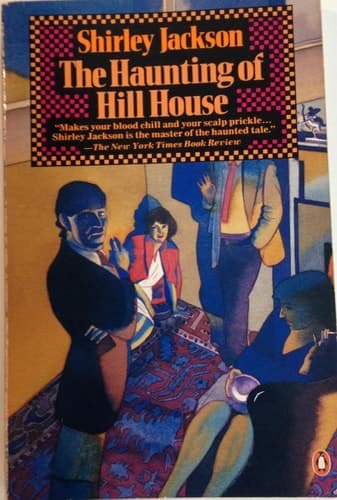
The Haunting of Hill House
by Shirley Jackson
Jackson builds dread through psychological observation rather than explicit horror—the way Hill House itself becomes a character that warps perception mirrors how Poe's narrators' unreliable minds become the real landscape of terror. Both writers understand that what the reader *imagines* is far more potent than what's explicitly described.
View book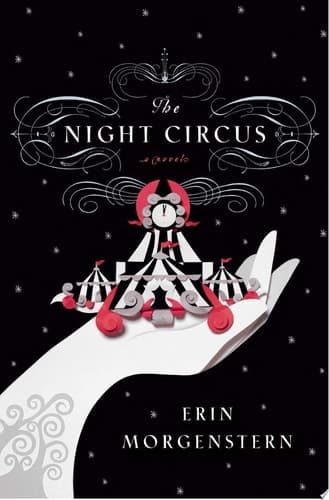
The Night Circus
by Erin Morgenstern
This is your surprise pick—it's contemporary fantasy rather than classic dark fiction, but Morgenstern structures the narrative like a poem, layering sensory details and recurring motifs the way Poe does. The circus itself has that same dreamlike, slightly menacing beauty that Marsden's photographs captured in the Poe collection.
View book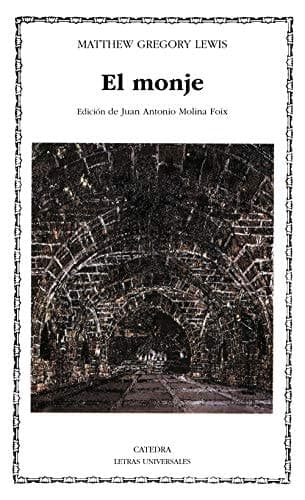
The Monk
by Matthew Gregory Lewis
Published in 1796, this Gothic novel predates Poe but clearly influenced him—it has that same escalating sense of transgression and moral corruption, where characters spiral into increasingly dark choices. If you want to understand where Poe's sensibilities came from, this is the literary ancestor.
View book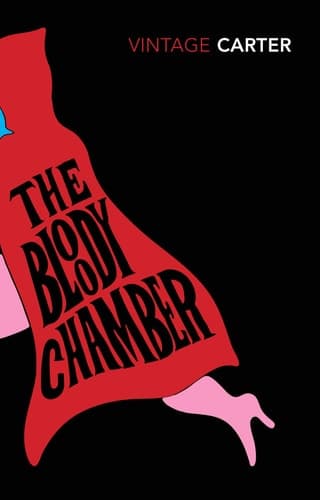
The Bloody Chamber and Other Stories
by Angela Carter
Carter rewrites fairy tales with the same gothic sensibility and dark eroticism that runs through Poe's work, but she's also subversive—her narrators reclaim agency in ways Poe's often don't. The prose is lush and painterly, almost as visual as Marsden's photographs, but with a feminist edge.
View book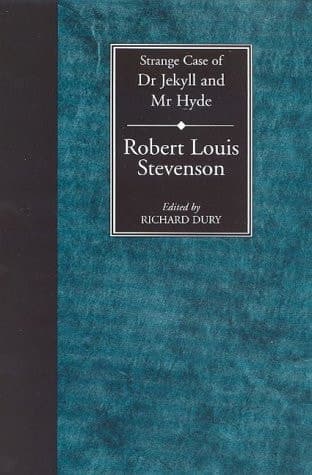
Strange Case of Dr. Jekyll and Mr. Hyde (The Collected Works of Robert Louis Stevenson)
by Robert Louis Stevenson
Stevenson captures that Poe-like obsession with duality and the shadow self, but he tells it as a mystery that unfolds through multiple perspectives—you're piecing together the truth the way you might interpret one of Poe's ambiguous endings. It's shorter and more propulsive than Poe, but equally unsettling.
View bookAbout Edgar Allan Poe
E
Edgar Allan Poe
1809–1849
Edgar Allan Poe was an American writer, poet, editor and literary critic, considered part of the American Romantic Movement. Best known for his tales of mystery and the macabre, Poe was one of the earliest American practitioners of the short story and is considered the inventor of the detective-fiction genre. He is further credited with contributing to the emerging genre of science fiction.[1] He was the first well-known American writer to try to earn a living through writing alone, resulting in a financially difficult life and career.[2] Source and more information: https://en.wikipedia.org/wiki/Edgar_Allan_Poe
View author page