Synopsis
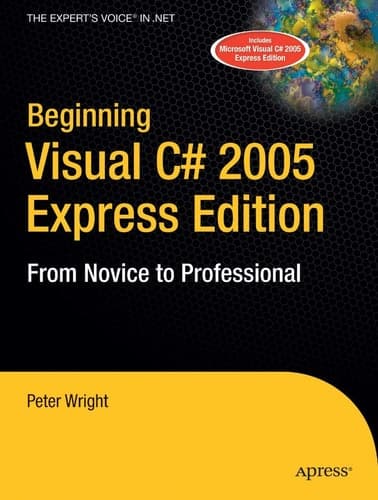
In the 1990s, Microsoft did the impossible and released a programming tool that let everyone write programs to run on Windows. Author Peter Wright was so excited about that tool, Visual Basic, that he wrote a series of books on it and introduced nearly a quarter of a million people all over the world to programming.
Now Microsoft has done it again with the release of the Express tools. With nearly every home now having a computer and most people having access to the Internet, being able to take control of the computer and write your own programs is more useful and exciting than ever. So Wright has decided to do it again.
In this book, you'll find everything you need to program your computer by using Visual C# 2005 Express, one of the very latest programming tools from Microsoft. If you have never written computer programs before, Wright will show you how much fun and how easy it can be. Perhaps you are a programmer and just need to get up to speed on .NET for work―this book is for you too.
Wright took the same approach with this book that he did with the VB titles, and inside you'll find a fast–paced guide to the essentials to get you programming fast. You'll learn the C# language and the tools Visual C# 2005 Express provides. He covers everything from simple console programs to code that talks to the Internet, and even how to write your own database programs. Whatever your reasons for wanting to learn to program with C#, this book will get you where you want to be quickly, and hopefully with a smile on your face. So dive in and change the way you use computers forever.
Recommendations
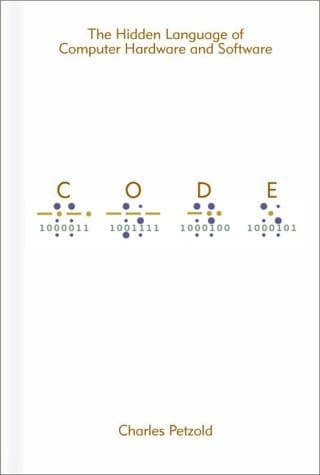
Code: The Hidden Language of Computer Hardware and Software
by Charles Petzold
Where Wright teaches you *how* to program in C#, Petzold takes you deeper into *why* computers work the way they do—he builds understanding from flashlights and Morse code up to actual computing concepts. You'll find the same patient, accessible teaching style, but applied to the foundational layer beneath the languages you're learning.
View book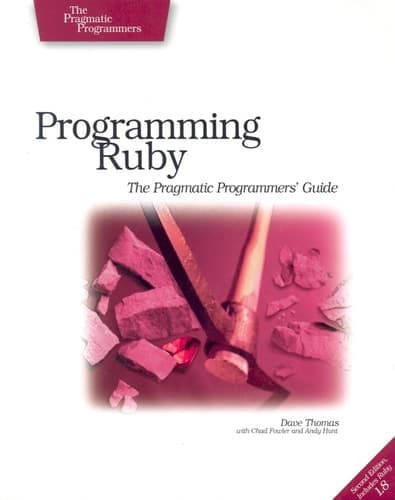
Programming Ruby The Pragmatic Programmers' Guide
by David Thomas
This 1999 book (from a different era of programming culture) reads like the mentor conversation Wright's book doesn't quite have room for—it's about *thinking* like a programmer rather than syntax. The authors assume you can already code and want to code *better*, with practical wisdom about debugging, testing, and not painting yourself into corners.
View book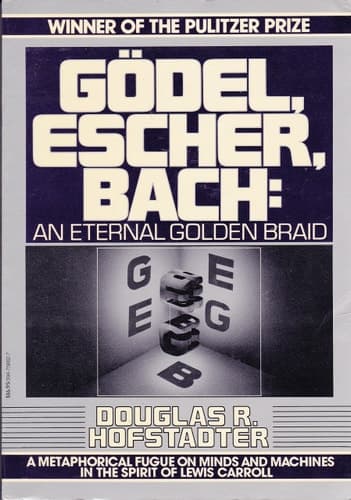
Gödel, Escher, Bach: An Eternal Golden Braid
by Douglas Hofstadter
Here's the curveball: a Pulitzer Prize-winning book about consciousness, mathematics, and self-reference that has almost nothing to do with programming—except that it's fundamentally about how systems (musical, artistic, logical) encode meaning and replicate patterns. If you're curious about *why* programming languages work the way they do, this explores the deep recursive structures that make any formal system possible.
View book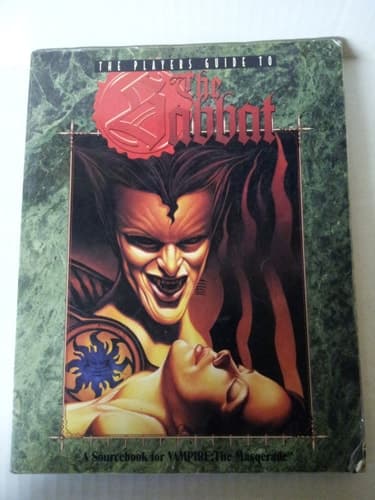
Player's Guide to the Sabbat
by Steven C. Brown
Rather than another reference manual, Whitaker treats learning C# like a game with escalating challenges and puzzles to solve—it keeps the momentum and enthusiasm Wright brings while going deeper into the language itself. The tone is genuinely fun rather than dutiful, which matches the spirit of Wright's 'hopefully with a smile on your face' promise.
View book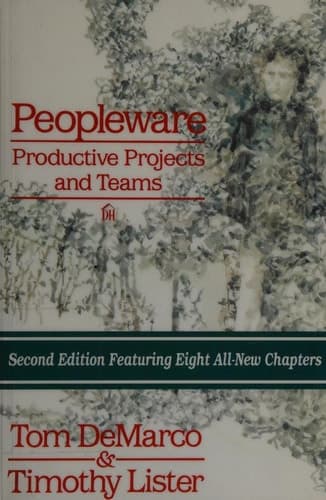
Peopleware : Productive Projects and Teams
by Tom Demarco
You've learned to write programs; now learn why most programming projects fail anyway—and it's rarely because of the code. DeMarco and Lister write with the same clarity Wright does, but they're addressing the human side of programming: how teams actually work, why open offices kill productivity, and what managers get wrong. It's the book that makes you realize programming is ultimately about people, not syntax.
View bookAbout Peter Wright
Biography coming soon.
View author page